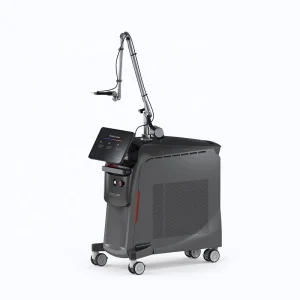
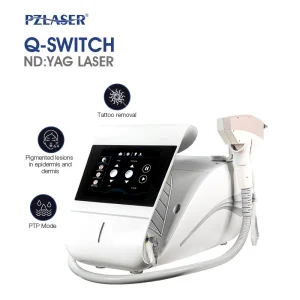
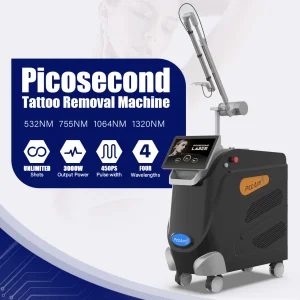
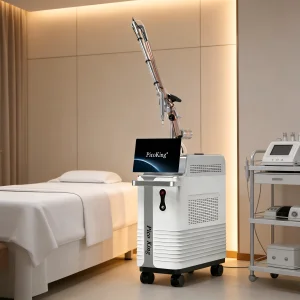
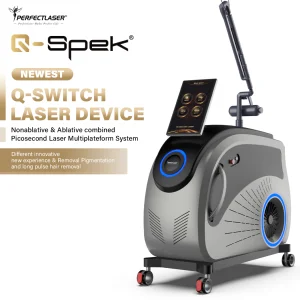
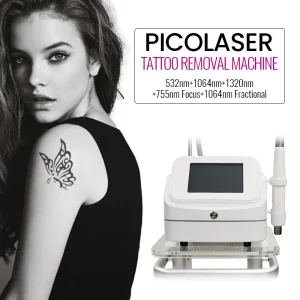

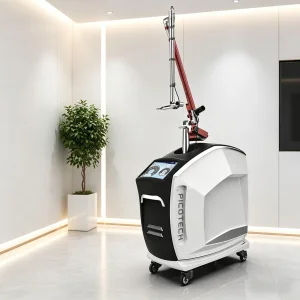
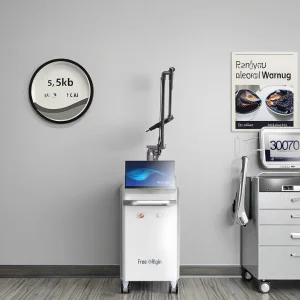
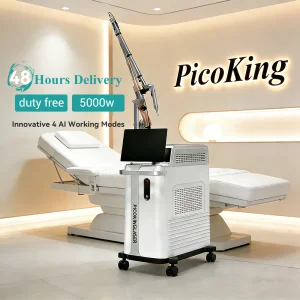
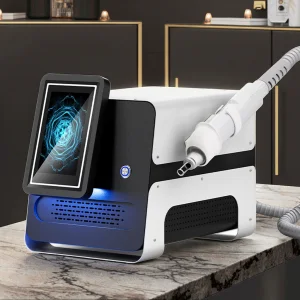
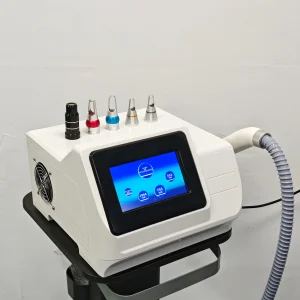
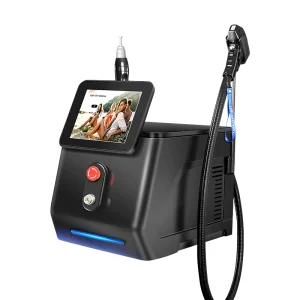
In the rapidly transforming global dermatology and medical aesthetics market, the picosecond laser tattoo removal machine has established itself as the gold standard. Historically, Q-switched nanosecond lasers dominated the pigment removal market. However, nanosecond systems rely on photothermal energy, generating substantial thermal dispersion that carries a risk of post-inflammatory hyperpigmentation (PIH), thermal tissue necrosis, and scarring. Picosecond technology represents a fundamental paradigm shift to photoacoustic dynamics.
By shortening the pulse duration to the trillionths of a second (typically between 350 picoseconds and 750 picoseconds), the laser delivers energy at a rate that is faster than the thermal relaxation time of skin melanin and exogenous ink pigments. This hyper-rapid pulse creates an intense mechanical shockwave that fractures ink particles into microscopic debris resembling fine dust, rather than larger fragments. These minute particles are then rapidly cleared by the body's lymphatic and macrophage systems. This results in faster clearance rates, fewer required clinical sessions, and enhanced patient safety across all Fitzpatrick skin types.
Advanced picosecond platforms utilize a suite of native and converted wavelengths to address the full spectrum of exogenous pigments and benign epidermal/dermal lesions:
Shenzhen Yiki Beauty Co., Ltd. is a professional enterprise integrating R&D, design, manufacturing, and global sales of advanced aesthetic and beauty equipment. Built by a team of experienced technical engineers and product designers, Yiki Beauty features fully in-house capabilities ranging from industrial appearance design and electronic system development to assembly, testing, and packaging.
Yiki Beauty is committed to providing a true one-stop solution for global customers, helping partners reduce complexity in product development, production, and branding. By combining innovative engineering with practical clinical and salon applications, the company continuously delivers safe, effective, and market-oriented beauty devices.
With a strong focus on quality control and technological innovation, Shenzhen Yiki Beauty Co., Ltd. supports OEM and ODM services, as well as private label branding. The company adheres to strict international quality standards and strives to build long-term partnerships with distributors, clinics, salons, and beauty chains worldwide.
Our product portfolio covers a wide range of advanced aesthetic technologies, including: HI-EMT body contouring machines, laser hair removal systems, Vela body shaping devices, shockwave therapy machines, TECAR therapy equipment, air pressure lymphatic drainage systems, 4D HIFU ultrasound machines, tattoo removal lasers, hydra dermabrasion systems, plasma pens, and various home-use beauty devices.
Shenzhen Yiki Beauty Co., Ltd. exports to more than 15 major markets, including the United States, Germany, Australia, Canada, Italy, France, the United Kingdom, Spain, Russia, the Netherlands, Switzerland, Ukraine, Poland, Turkey, and Belgium, while continuously expanding its global footprint in emerging markets.
Driven by innovation, reliability, and customer success, Yiki Beauty is dedicated to becoming a trusted global partner in the aesthetic equipment industry.
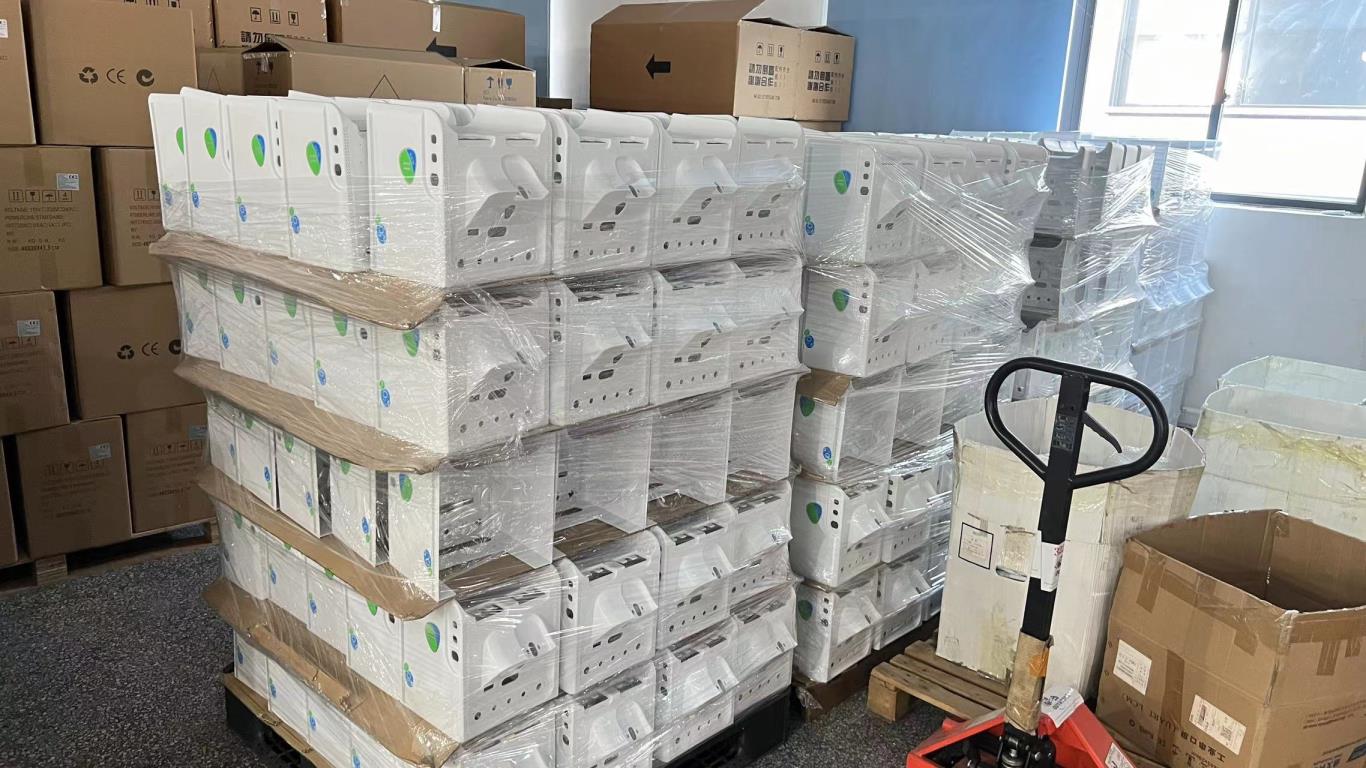
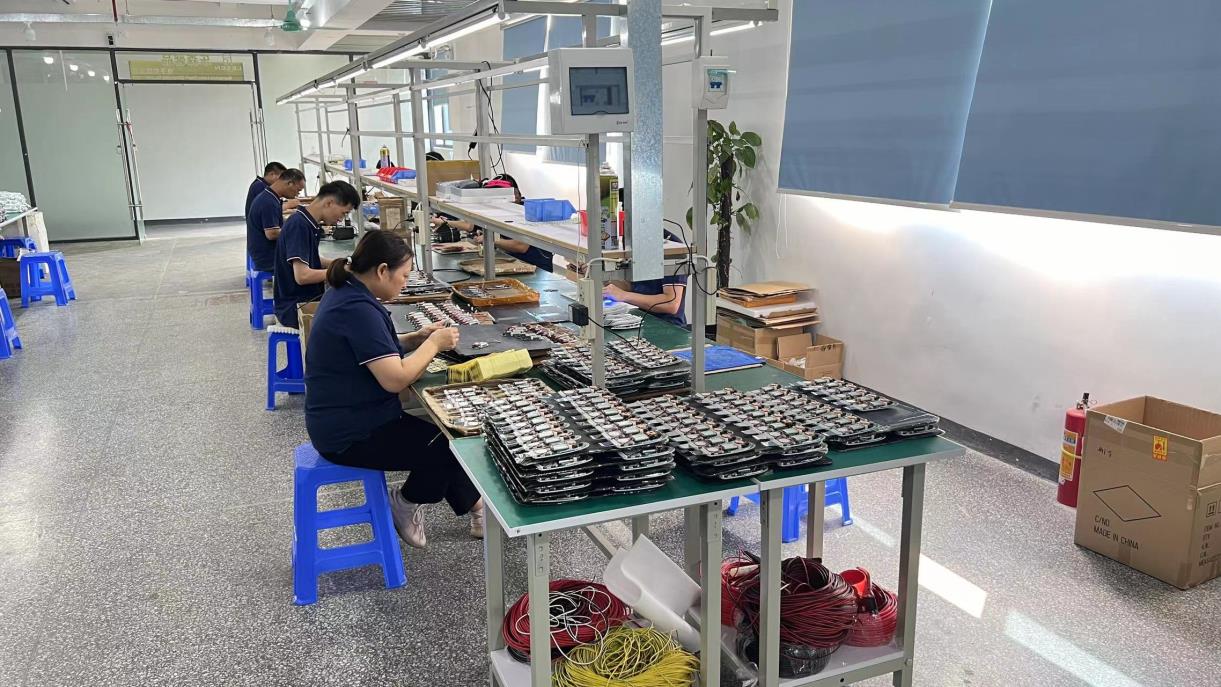
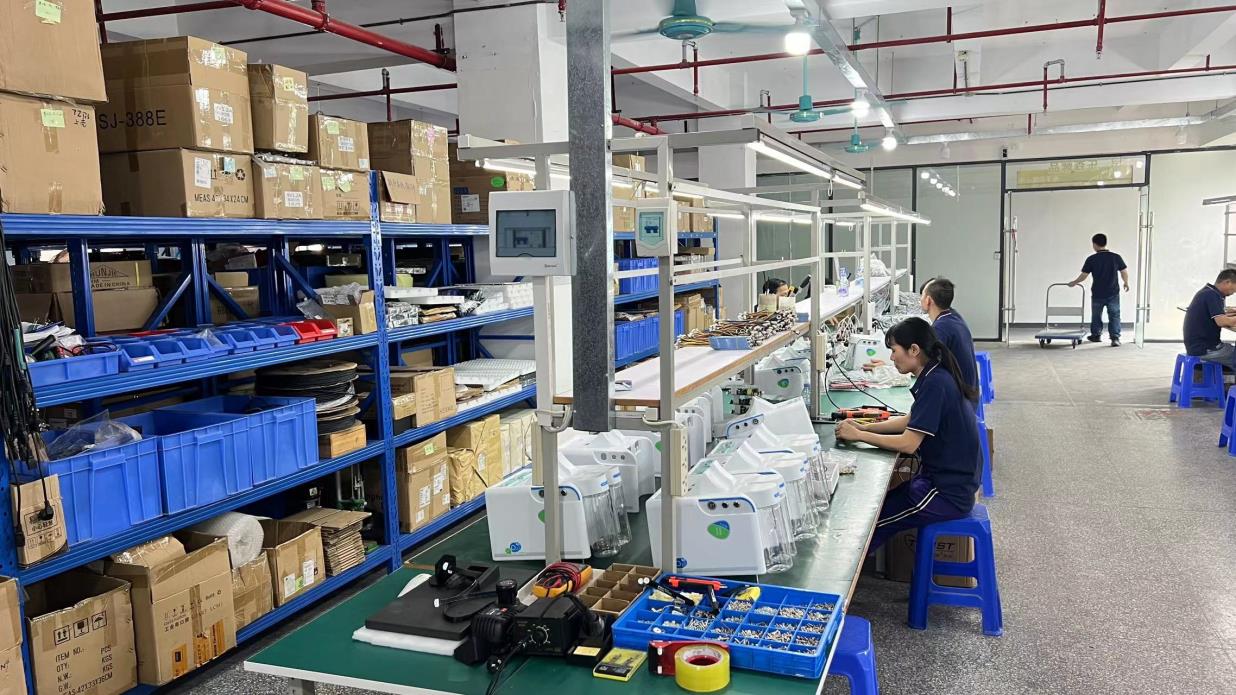
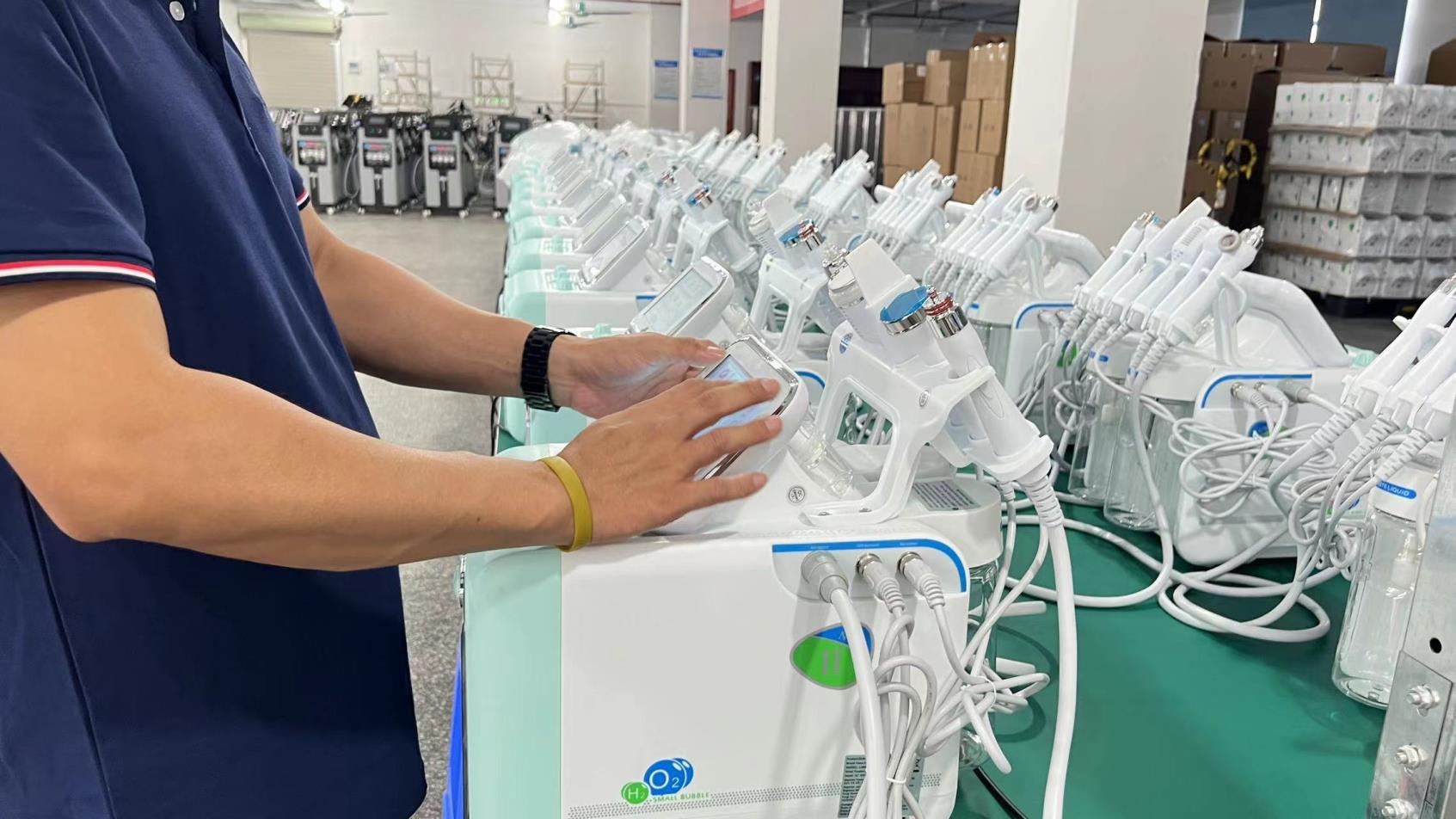
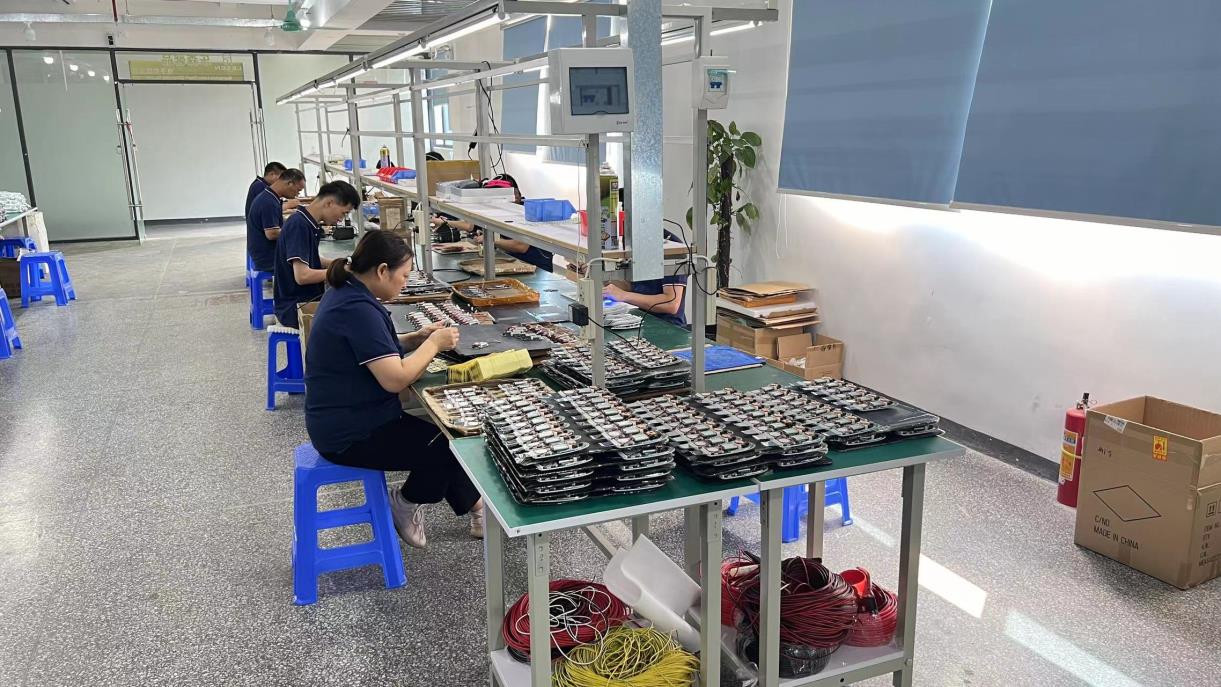
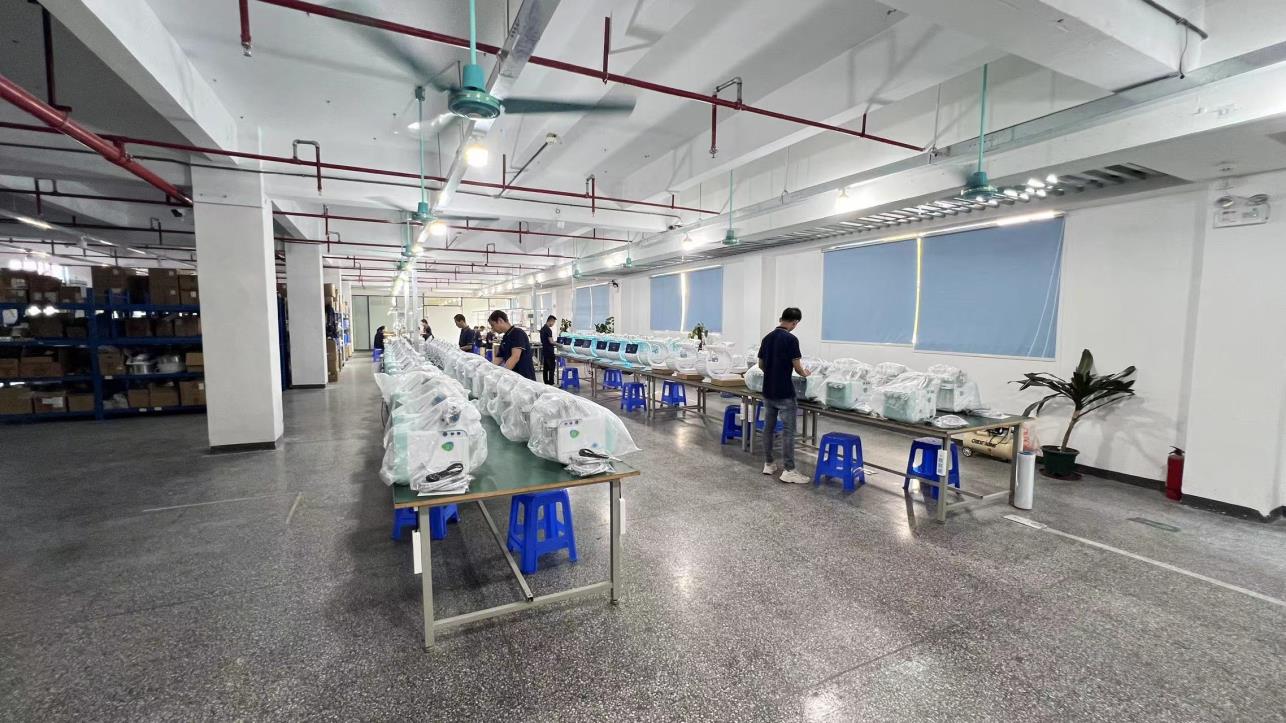
The China aesthetic laser manufacturing ecosystem has evolved from basic assembly to cutting-edge research, development, and precision engineering. At Yiki Beauty, our manufacturing plant incorporates dust-controlled assembly lines, advanced optical calibration suites, and automated burn-in testing spaces to ensure every picosecond laser system maintains stable energy output across millions of pulses.
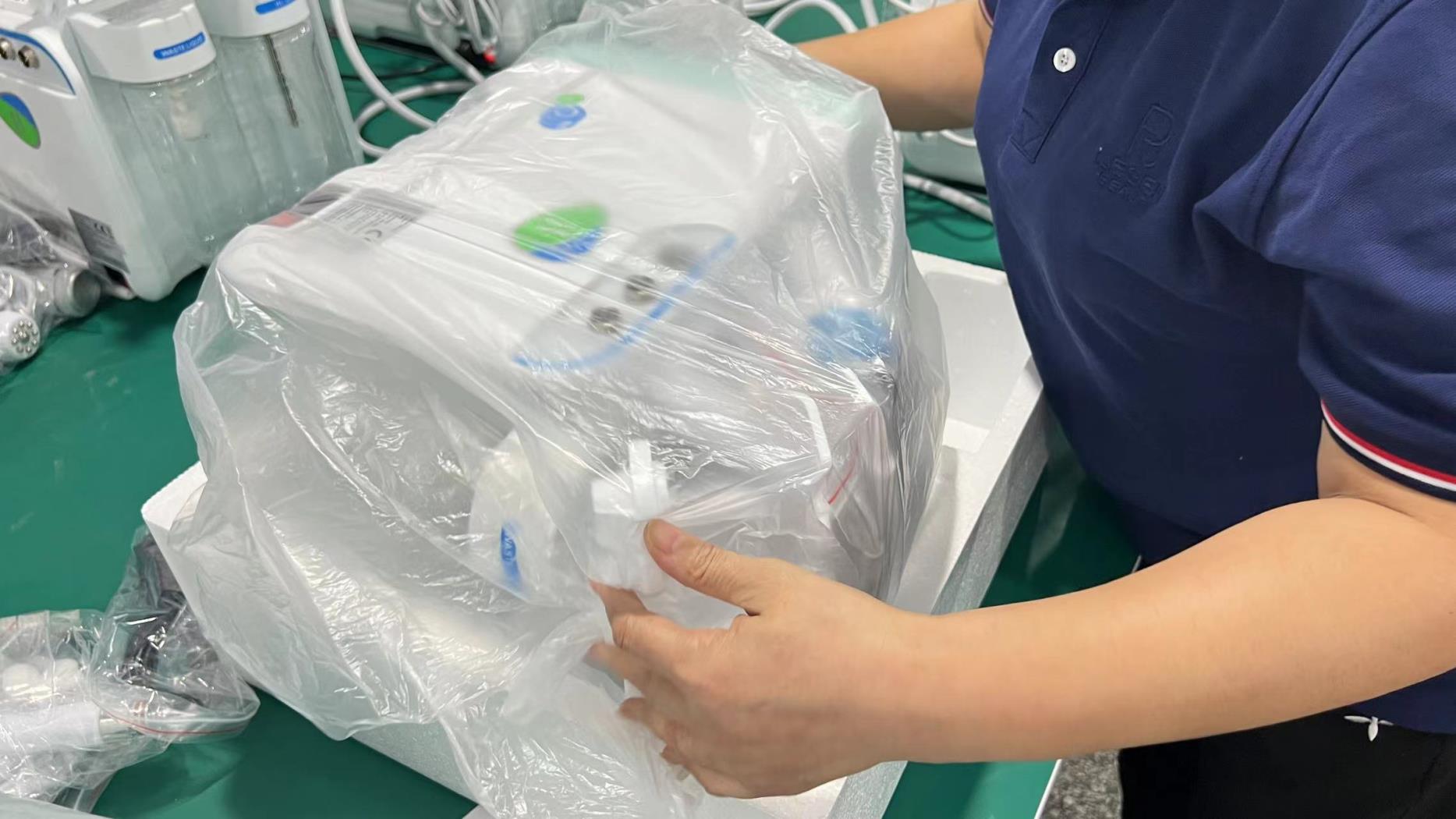
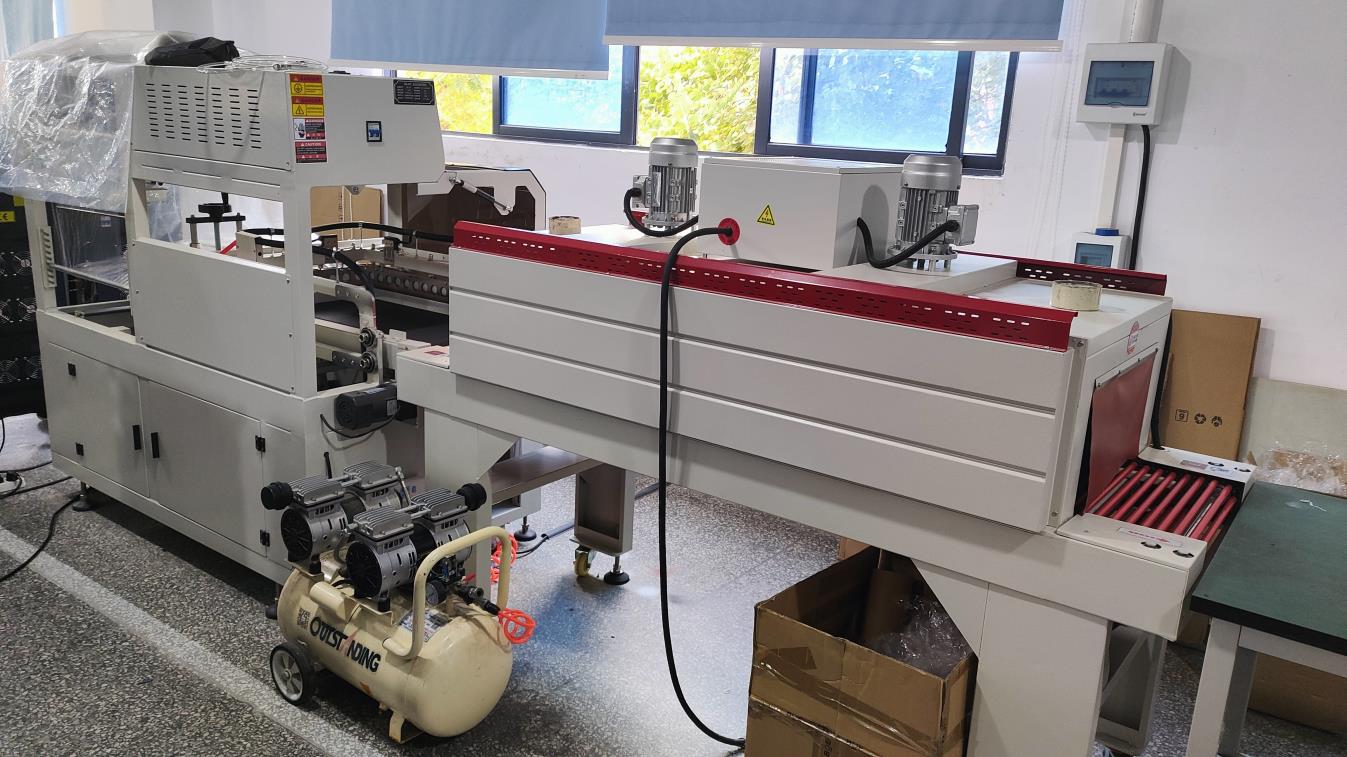
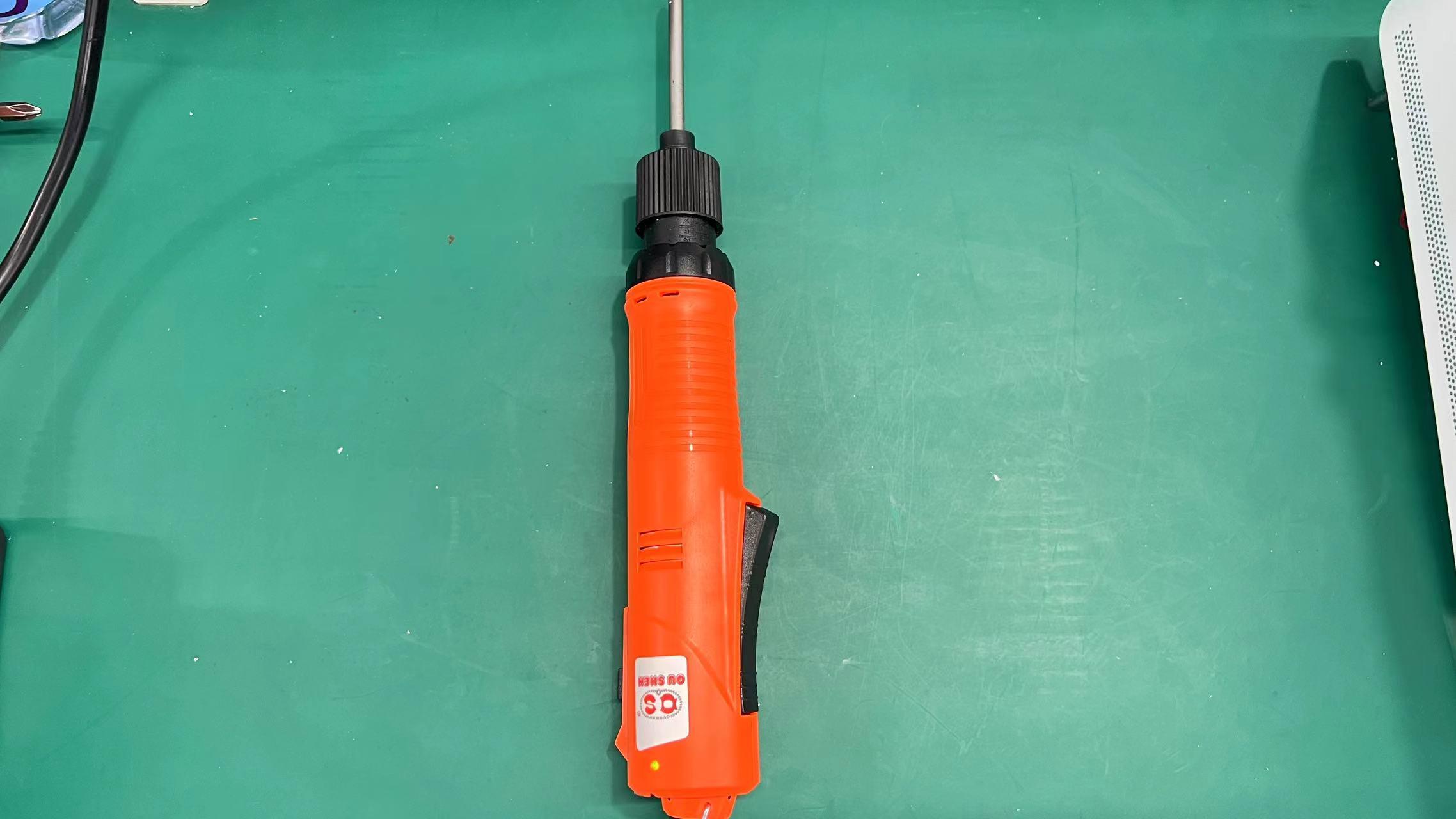
Our raw materials undergo strict QC testing prior to structural integration. The optical articulated arms, light guides, power supply modules, and water cooling pumps are carefully assembled and subjected to performance testing before final packaging and delivery.
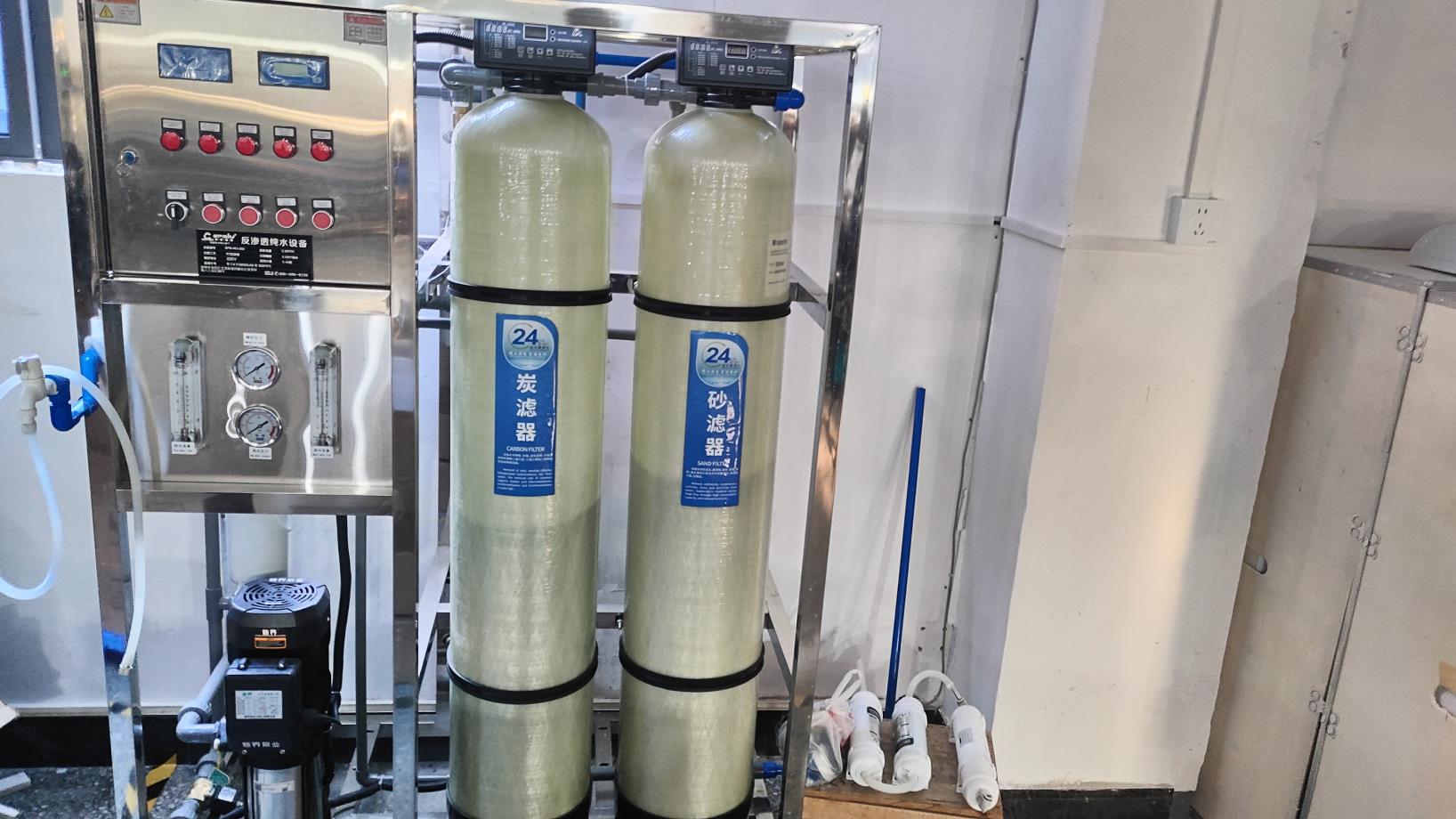
A professional picosecond laser system relies on optical, electrical, and thermal integration. To help medical directors and B2B buyers evaluate system capabilities, we have structured the primary technical parameters below:
| Technical Parameter | Standard Specification (High-End) | Clinical / Mechanical Significance |
|---|---|---|
| Pulse Width | 350ps – 750ps (Picosecond range) | Minimizes thermal diffusion; maximizes mechanical photoacoustic breakdown. |
| Wavelength Profiles | 1064nm, 532nm, 755nm, 1320nm (Dual/Triple/Quad systems) | Enables treatment of various ink colors and superficial lesions. |
| Light Delivery System | 7-Jointed or 9-Jointed Articulated Arm (Imported/Premium Option) | Ensures stable light transmission, low energy loss, and high mechanical flexibility. |
| Spot Diameter | Adjustable 2mm – 10mm (Zoom & Fractional Handpieces) | Allows precise adjustments based on pigment depth and treatment area. |
| Cooling Integration | Triple Cooling: Water + Air + Semiconductor (TEC) | Supports continuous clinical operation (up to 12 hours) without power degradation. |
| Energy Density | Up to 20 J/cm² | Delivers sufficient peak power for stubborn, deep dermal tattoo inks. |
When sourcing medical aesthetic lasers from Chinese factories, international distributors and clinical procurement departments must evaluate several structural factors to protect their investment:
The primary difference is the pulse duration. A Q-switched laser operates in nanoseconds (10^-9 seconds), relying on photothermal energy to heat and break down pigment. A true picosecond laser operates in picoseconds (10^-12 seconds), utilizing a photoacoustic effect that shatters ink into fine particles with minimal thermal impact, reducing the risk of tissue damage.
Most professional picosecond platforms feature multiple wavelengths: 1064nm for black/dark inks, 532nm for red/warm-toned inks, 755nm for green/blue pigments, and 1320nm for carbon laser skin rejuvenation.
Yes. As an integrated manufacturer, Shenzhen Yiki Beauty Co., Ltd. offers comprehensive OEM and ODM options. This includes custom structural housing designs, tailored software user interfaces, color customization, logo integration, and technical configuration adjustments.
A 7-joint or 9-joint articulated arm imported from Korea helps prevent laser dispersion. It ensures the beam remains aligned and delivers uniform energy to the treatment spot, minimizing energy loss compared to rigid guide designs.
Our systems utilize a multi-stage cooling assembly, combining high-capacity copper radiators, heavy-duty brushless pumps, and thermoelectric cooling (TEC) modules. This system regulates the water temperature to support safe, continuous operation in clinical settings.
Depending on configuration, our high-grade Nd:YAG cavities and xenon lamps support between 10 million and 20 million pulses. Consistent water quality maintenance using deionized or distilled water helps preserve the longevity of the optical components.
 Yiki Beauty