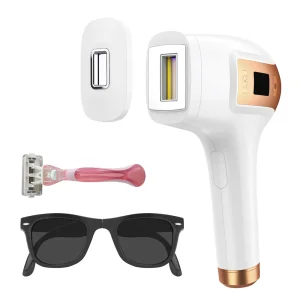
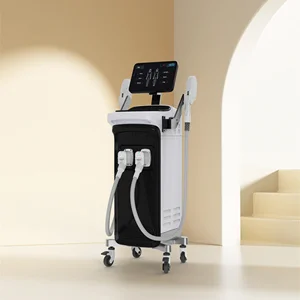
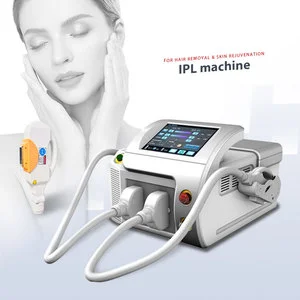
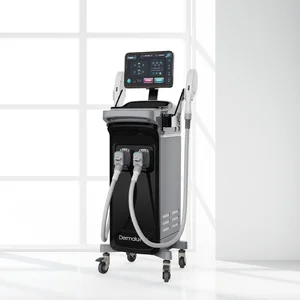
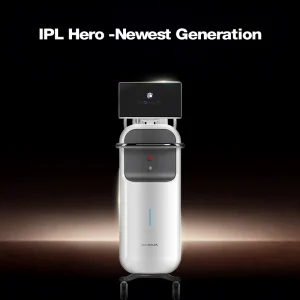
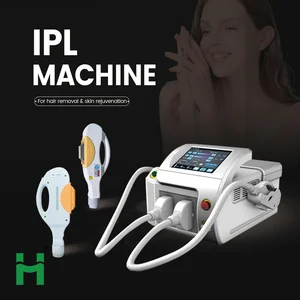
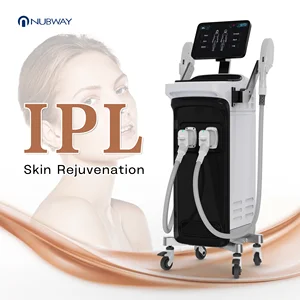
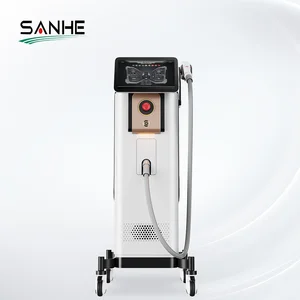
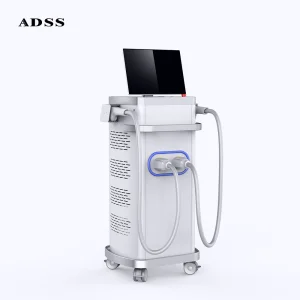
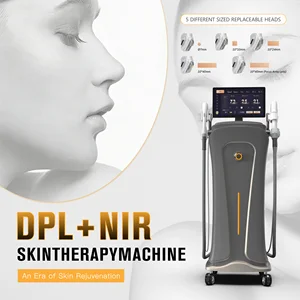
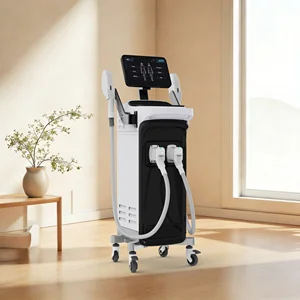
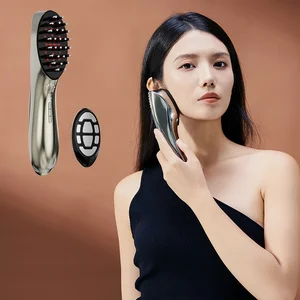
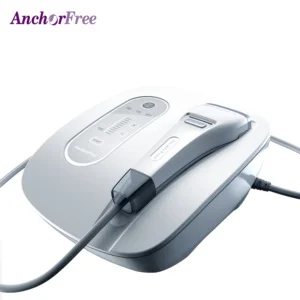
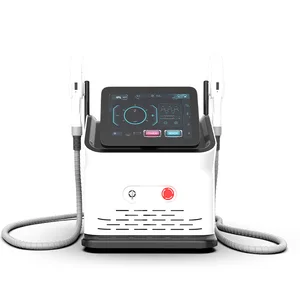
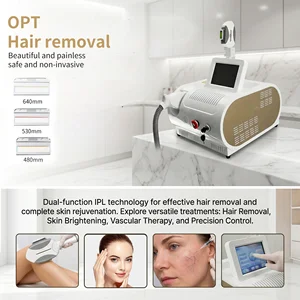
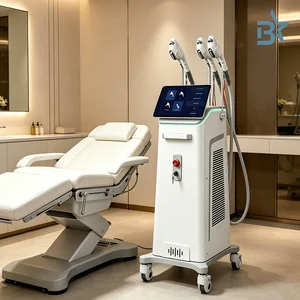
Explore our leading commercial-grade and home-use IPL systems engineered with integrated skin protection systems and certified precision output.
Understanding the clinical mechanics, energy distribution, and supply dynamics powering the modern photo-aesthetic sector.
The global aesthetic market has witnessed an unprecedented paradigm shift toward non-invasive treatment modalities. Among these, Intense Pulsed Light (IPL) skin rejuvenation remains a foundational cornerstone of clinical dermatology and salon services. Unlike monochromatic laser beams, IPL utilizes a broad spectrum of non-coherent light (typically ranging from 400nm to 1200nm) delivered through high-intensity flashlamps. Through target-specific cut-off filters, medical professionals can selectively isolate targeted wavelengths to treat a wide array of pathological and aesthetic dermatological conditions, achieving high patient satisfaction with minimal down-time.
The core biophysical mechanism of IPL is selective photothermolysis. By matching the wavelength of pulsed light to the specific absorption bands of chromophores—mainly melanin in hyperpigmented lesions and oxyhemoglobin in vascular structures—the energy is localized to destroy target cells without damaging surrounding epidermal tissue. As the heat builds within the targeted dermal structures, it induces microscopic thermal damage that triggers the body's natural wound healing response. This cascade stimulates the synthesis of fresh extracellular matrix proteins, predominantly Type I and Type III collagen, along with elastin fibers. The result is a dramatic structural reorganization of the dermis, improving skin elasticity, reducing fine lines, shrinking dilated pores, and correcting irregular skin pigmentation.
Shorter wavelengths (530nm–590nm) efficiently target localized epidermal melanin, breaking down sun spots, melasma, and solar lentigines. Thermal shock fragments the dense pigment aggregates, which are subsequently exfoliated naturally via the epidermal turnover cycle.
Wavelengths within the 560nm–590nm window correspond to the absorption peaks of oxyhemoglobin. The sudden energy deposition causes intravascular coagulation, heating vessel walls and causing vessel occlusion, effectively neutralizing rosacea and thread veins.
Discover how engineering innovation has transformed first-generation raw light pulses into highly calibrated therapeutic vectors.
Historically, early IPL systems suffered from unstable energy outputs, presenting spikes at the beginning of each pulse followed by rapid decay. These uncontrolled energy surges elevated the risk of thermal burns, scarring, and post-inflammatory hyperpigmentation (PIH), particularly on darker Fitzpatrick skin types. Modern optical engineering has resolved these issues through three revolutionary technology paths:
OPT controls the pulse shape, delivering constant, square-wave energy across the entire pulse duration. This eliminates dangerous energy spikes and ensures that therapeutic energy levels are maintained safely throughout the treatment interval.
DPL compresses broad-spectrum light into a narrow 500nm–600nm sequence, combining the precision of a vascular laser with the coverage of standard IPL. It represents a highly targeted approach to vascular and melasma disorders.
Utilizing spectrum windows above 900nm (extending past 1300nm), NIR systems deliver deep volumetric heating of the dermis, stimulating collagen contraction and neo-collagenesis to produce non-ablative skin tightening.
Efficacy in skin rejuvenation relies on sustaining high thermal energy in the dermis while protecting the epidermis. To achieve this, leading manufacturers have developed advanced contact sapphire cooling interfaces paired with internal thermoelectric cooling (TEC) modules. By pre-cooling the skin's surface to temperatures between -4°C and 0°C, the sensory nerves are temporarily anesthetized and the epidermal layer is thermally shielded. This allows clinical operators to utilize higher energy densities (fluences) without compromising patient comfort or safety.
A Premier One-Stop Aesthetic OEM/ODM Manufacturer and Exporter
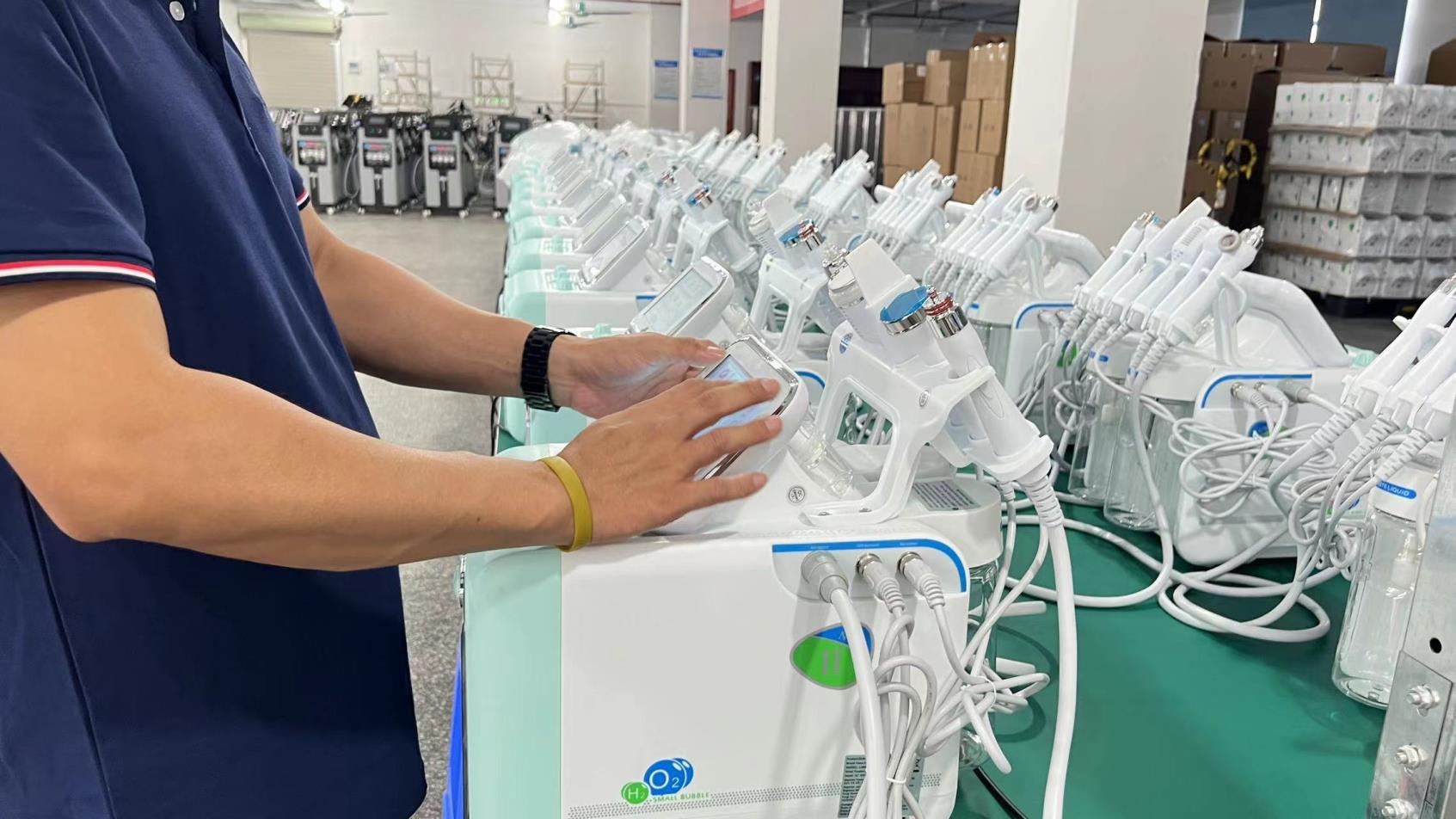
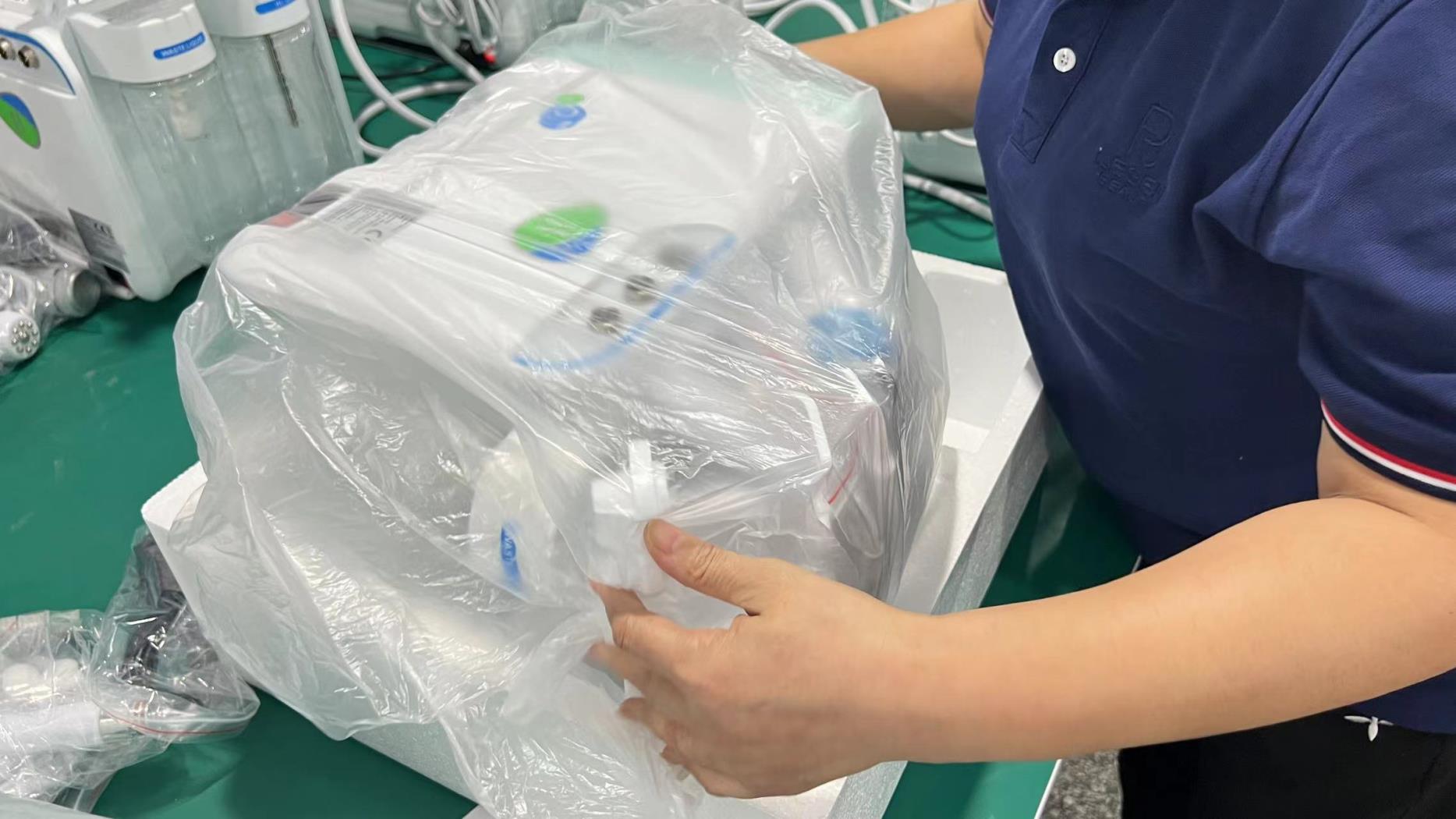
Shenzhen Yiki Beauty Co., Ltd. is a professional enterprise integrating R&D, design, manufacturing, and global sales of advanced aesthetic and beauty equipment. Built by a team of experienced technical engineers and product designers, the company manages fully in-house capabilities ranging from industrial appearance design and electronic system development to assembly, testing, and packaging.
Yiki Beauty is committed to providing a true one-stop solution for global customers, helping partners reduce complexity in product development, production, and branding. By combining innovative engineering with practical clinical and salon applications, the company continuously delivers safe, effective, and market-oriented beauty devices.
With a strong focus on quality control and technological innovation, Shenzhen Yiki Beauty Co., Ltd. supports OEM and ODM services, as well as private label branding. The company adheres to strict international quality standards and strives to build long-term partnerships with distributors, clinics, salons, and beauty chains worldwide.
Our product portfolio covers a wide range of advanced aesthetic technologies, including: HI-EMT body contouring machines, laser hair removal systems, Vela body shaping devices, shockwave therapy machines, TECAR therapy equipment, air pressure lymphatic drainage systems, 4D HIFU ultrasound machines, tattoo removal lasers, hydra dermabrasion systems, plasma pens, and various home-use beauty devices.
Shenzhen Yiki Beauty Co., Ltd. exports to more than 15 major markets, including the United States, Germany, Australia, Canada, Italy, France, the United Kingdom, Spain, Russia, the Netherlands, Switzerland, Ukraine, Poland, Turkey, and Belgium, while continuously expanding its global footprint in emerging markets.

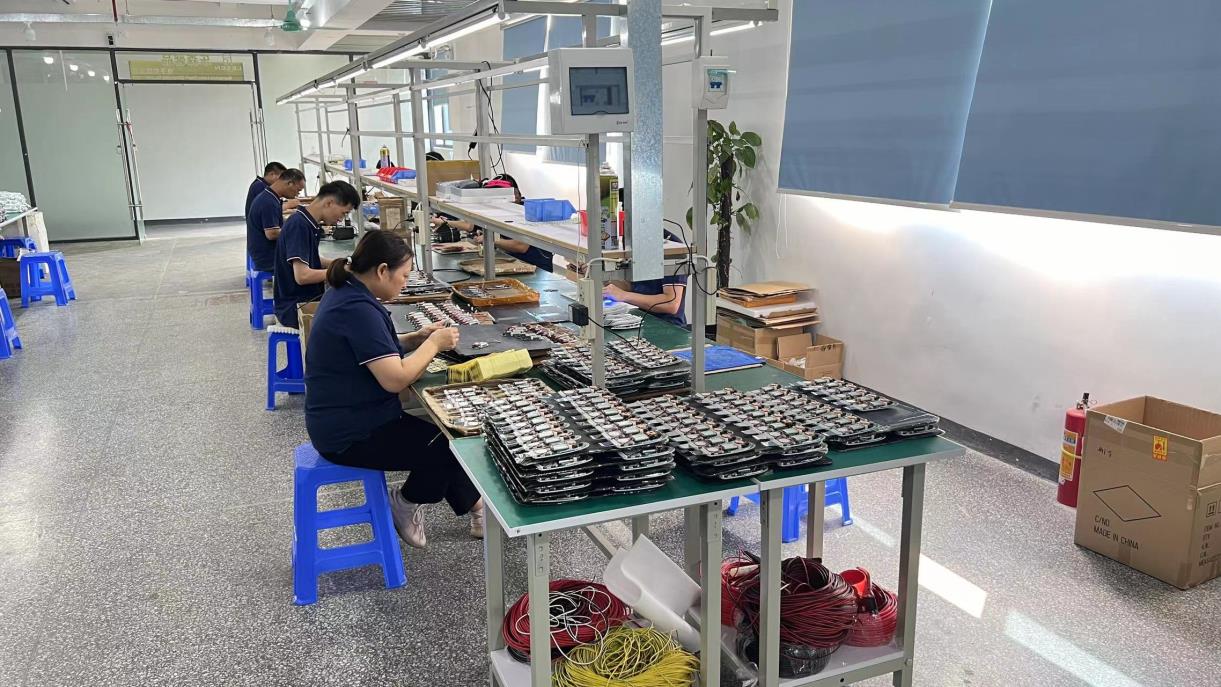
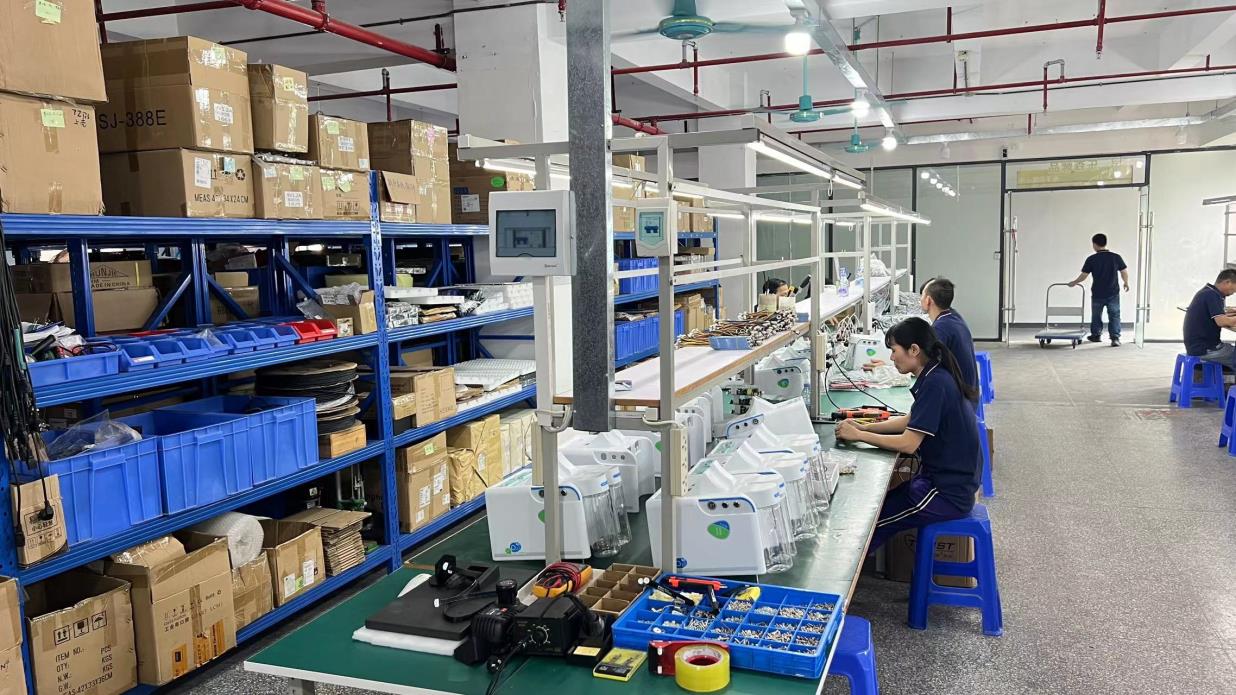
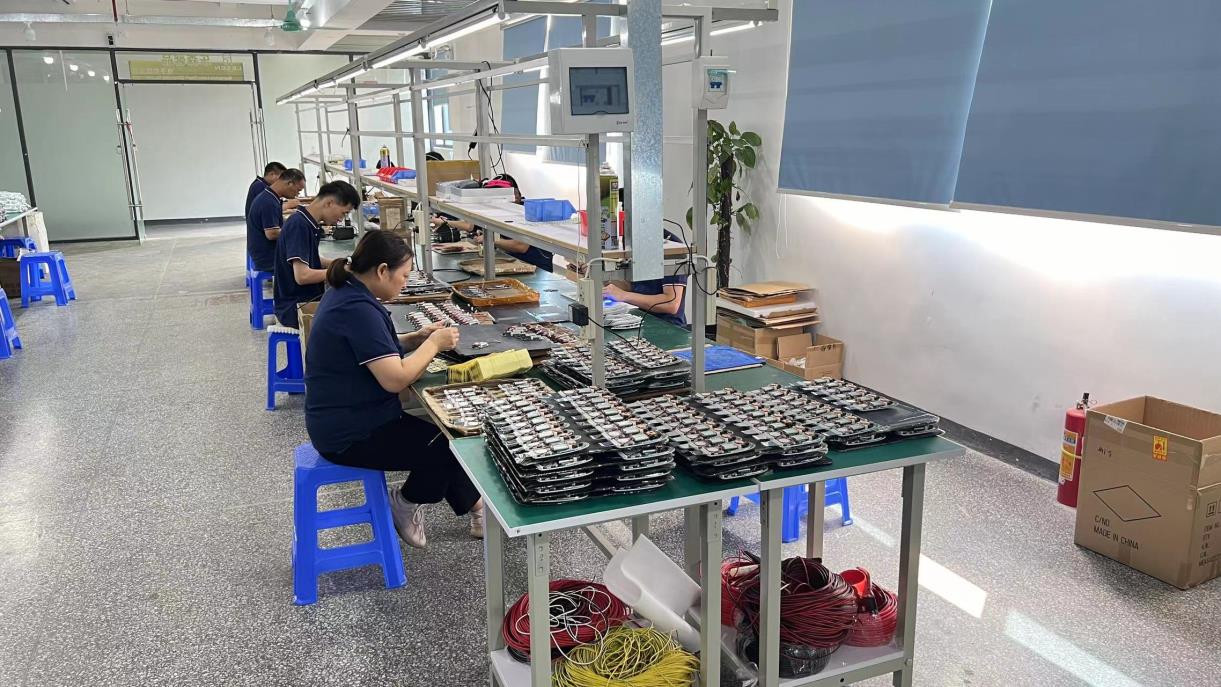
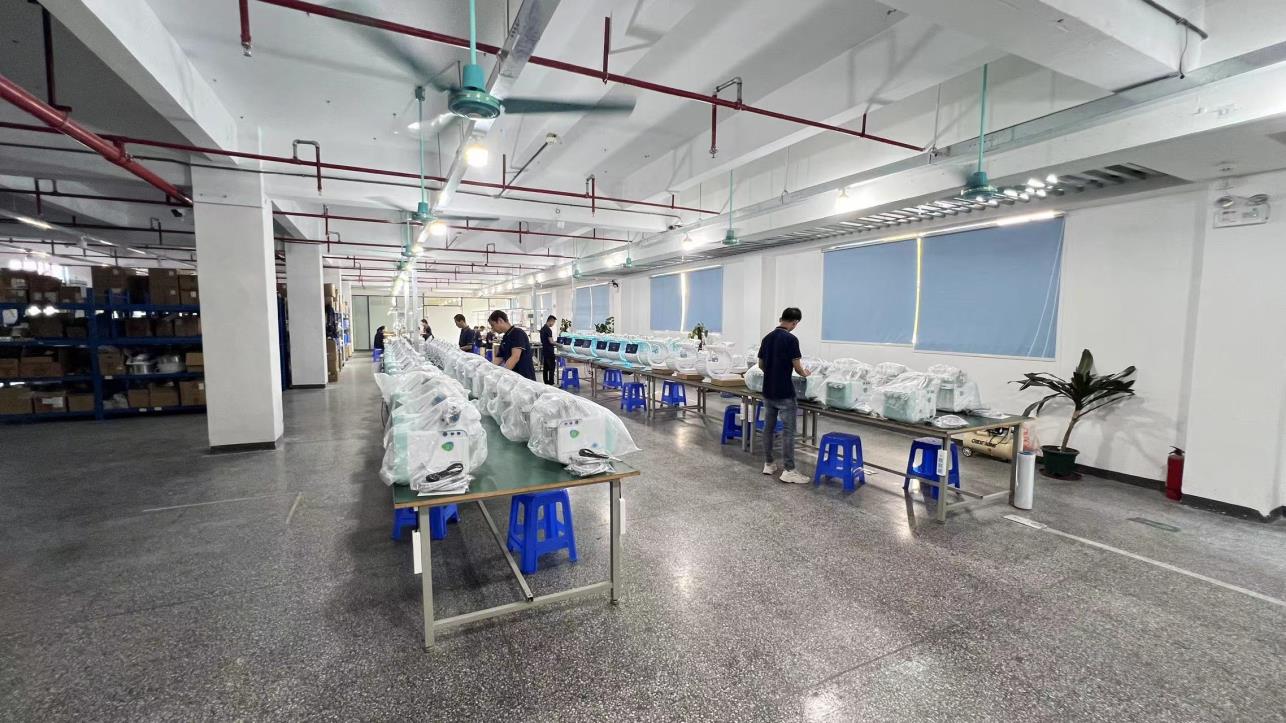
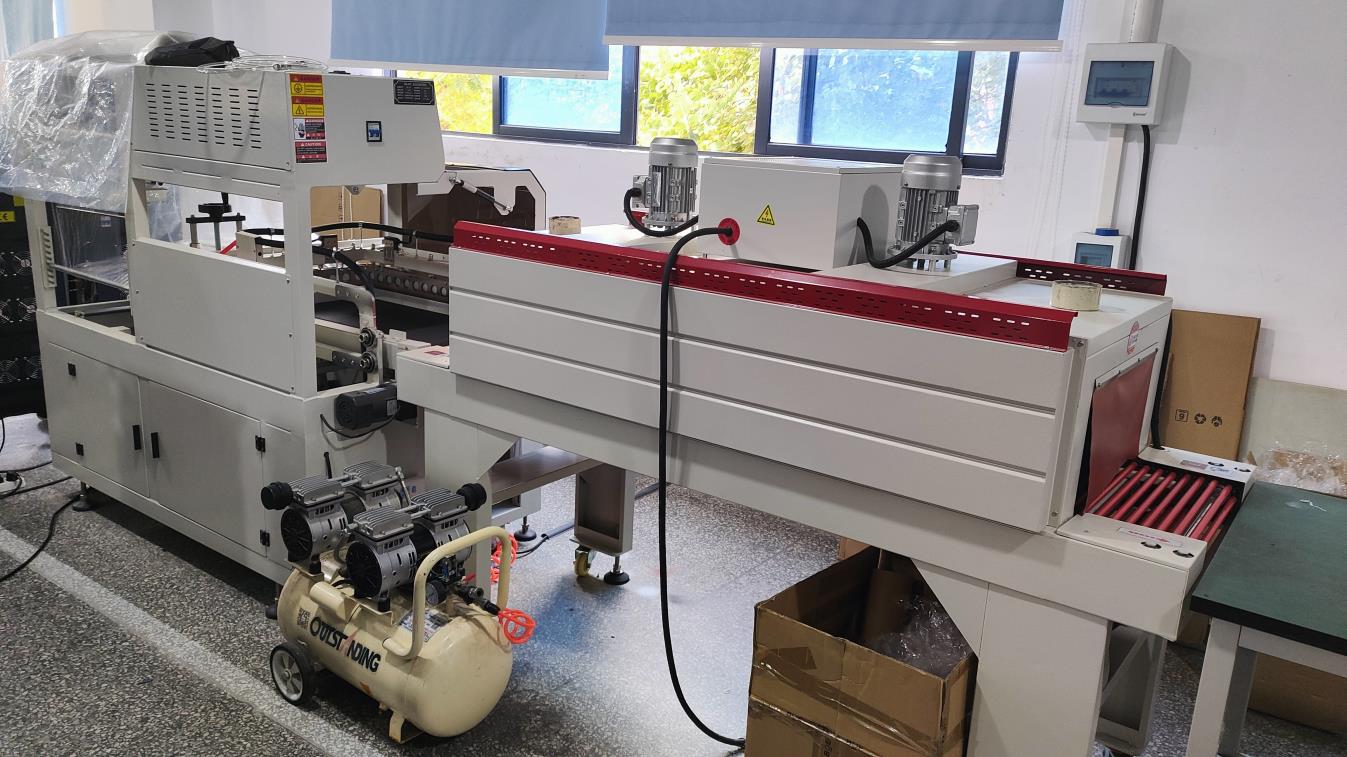
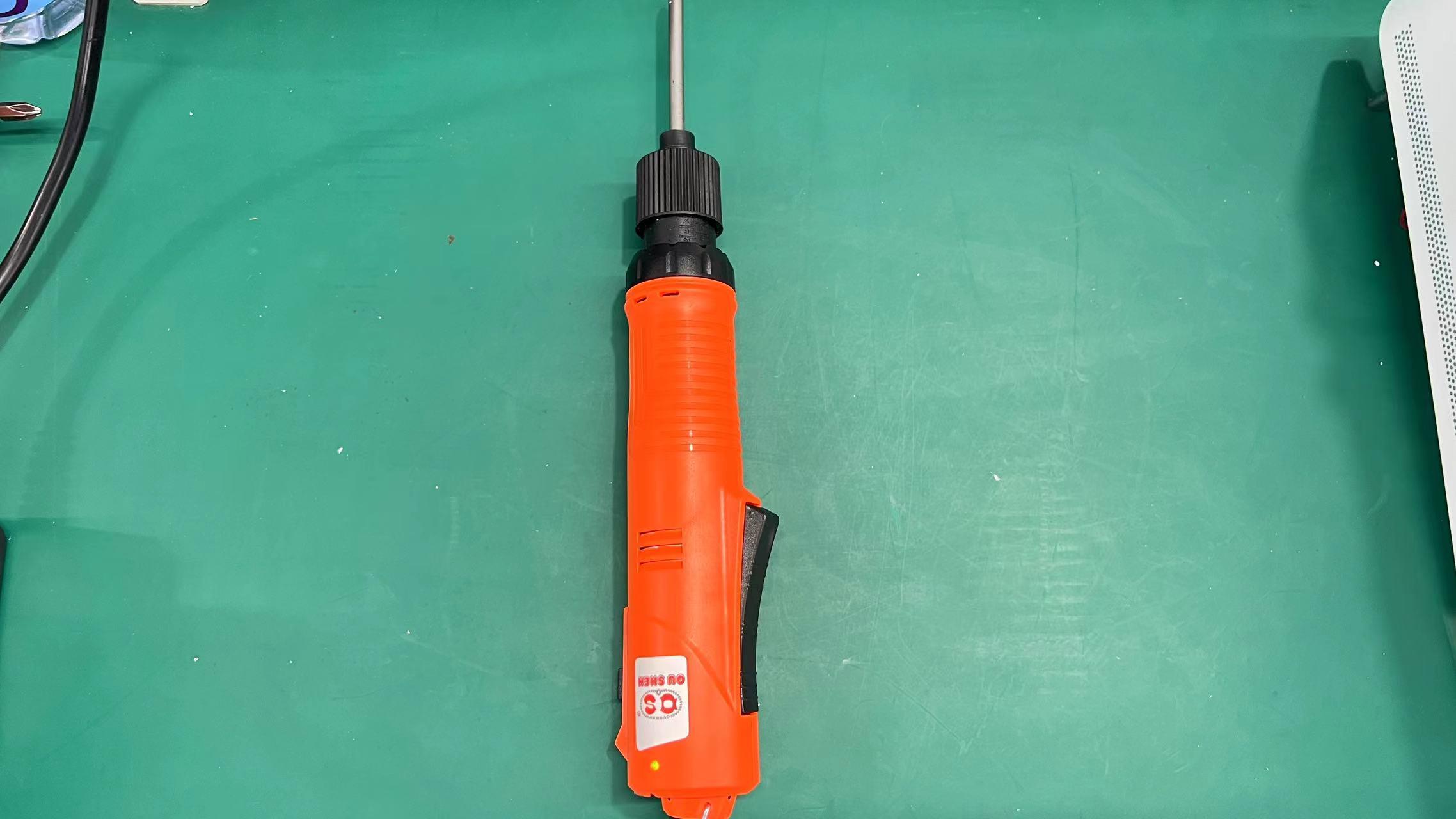
Deploying tailored IPL technologies for different clinical setups and business models globally.
The adaptability of IPL devices allows them to serve multiple market segments, ranging from medical practices to home care. Understanding the distinct requirements of each scenario is key to choosing the right platform:
Requirements: FDA 510(k) and Medical CE certifications, high peak power (up to 2000W), and exchangeable band-pass filters to address complex pathologies. Operators demand high fluences (up to 50 J/cm²), customizable pulse widths, and advanced sapphire cooling to manage discomfort during intensive sessions.
Requirements: High user throughput, simple interfaces, and fast treatment times. Operators benefit from OPT/SHR modes, which allow continuous, sliding treatment sweeps (up to 10Hz) to rapidly treat large body areas like the back and limbs, maximizing daily client capacity.
Requirements: High safety profiles, lightweight design, and long lamp life. Home-use devices utilize built-in skin tone sensors that automatically lock the device if the user's skin is too dark, protecting consumers while delivering lower fluences (3–6 J/cm²) safe for self-administration.
For distributors and aesthetic brands, maintaining a robust supply chain is critical. Yiki Beauty offers a complete suite of services designed to streamline market entry and growth:
Answering key scientific, operational, and regulatory questions for global medical-aesthetic device buyers.
Explore our multi-functional systems incorporating NIR, ND:YAG lasers, and RF integration to provide comprehensive clinical solutions.
 Yiki Beauty