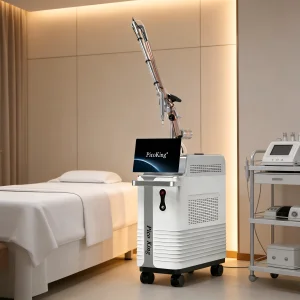
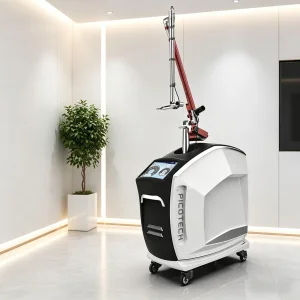
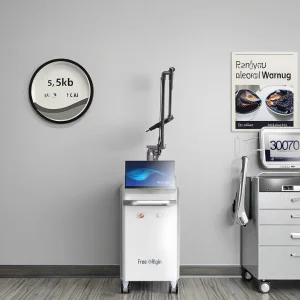
The aesthetic landscape in the Netherlands (including major urban centers such as Amsterdam, Rotterdam, Utrecht, and The Hague) is undergoing a major technological shift. Driven by changing demographics and a growing demand for safe tattoo modifications, local clinics are upgrading from traditional Q-switched nanosecond lasers to picosecond laser tattoo removal machines.
Dutch consumers prioritize short recovery times, high safety profiles, and clinical evidence. Picosecond lasers meet these demands by delivering ultra-short energy pulses that break down ink particles mechanically (photoacoustically) rather than thermally. This minimises the risk of post-inflammatory hyperpigmentation (PIH), which is particularly important for the diverse skin phototypes seen across the Benelux region.
These premium systems are configured to meet the voltage and safety standards of the Netherlands aesthetic market, featuring imported articulated arms and high-energy cavities.
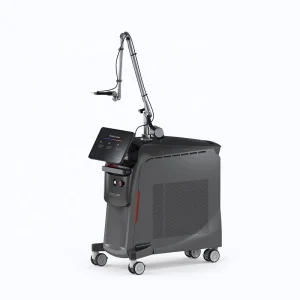
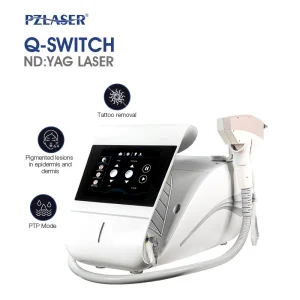
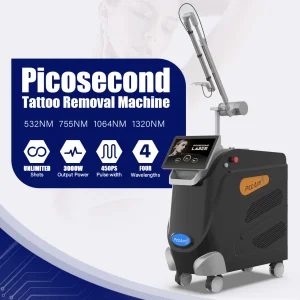
To understand why picosecond technology is the preferred choice for medical aesthetic buyers in the Netherlands, it is helpful to look at the differences in laser physics. Traditional Q-Switched lasers operate on a nanosecond time scale ($10^{-9}$ seconds). This approach relies heavily on photothermal action, heating the target ink pigment to high temperatures to break it apart. However, this process can transfer heat to the surrounding skin tissue, potentially causing burns, scarring, or hyperpigmentation.
In contrast, picosecond lasers deliver energy in trillionths of a second ($10^{-12}$ seconds). This ultra-short pulse width produces a powerful photoacoustic shockwave. The light energy is absorbed so rapidly that the target ink expands and shatters into tiny, dust-like particles. These particles are then more easily processed and cleared by the body's lymphatic system.
| Performance Metric | Nanosecond Lasers (Traditional Q-Switched) | Picosecond Lasers (Yiki Beauty Series) |
|---|---|---|
| Pulse Width | 5 - 20 Nanoseconds (ns) | 350 - 450 Picoseconds (ps) |
| Primary Tissue Action | Photothermal (Thermal Heating) | Photoacoustic (Mechanical Shattering) |
| Ink Particle Size After Treatment | Pebble-sized particles | Fine dust particles |
| Average Treatment Sessions | 10 - 15 sessions | 4 - 6 sessions |
| Post-Treatment Epidermal Down-time | 7 - 14 days (with risk of blistering) | 2 - 4 days (minimal swelling) |
| Target Colors | Mainly dark blue/black ink | Full spectrum (including green, red, light blue) |
Tattoo inks contain different mineral and organic pigments, each requiring specific wavelengths for optimal clearance:
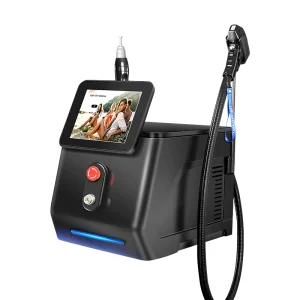
For practices that offer both tattoo removal and skin rejuvenation services, these hybrid systems combine Nd:YAG crystals, diode lasers, and honeycomb lens options.
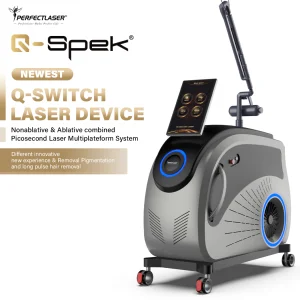
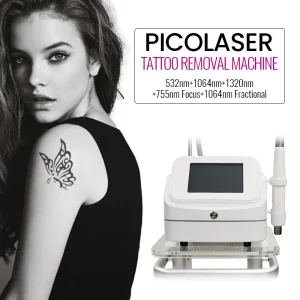
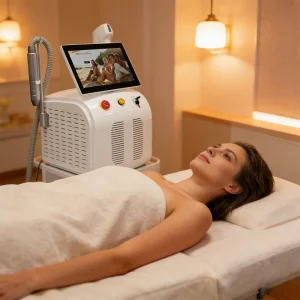
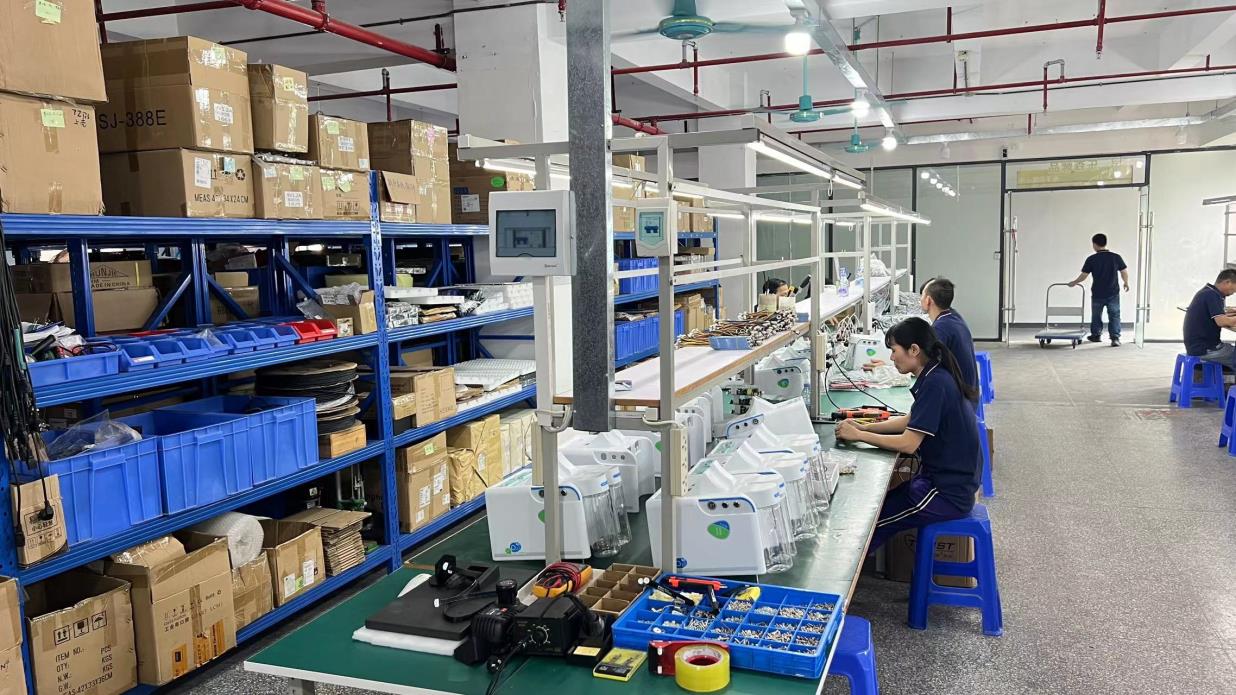
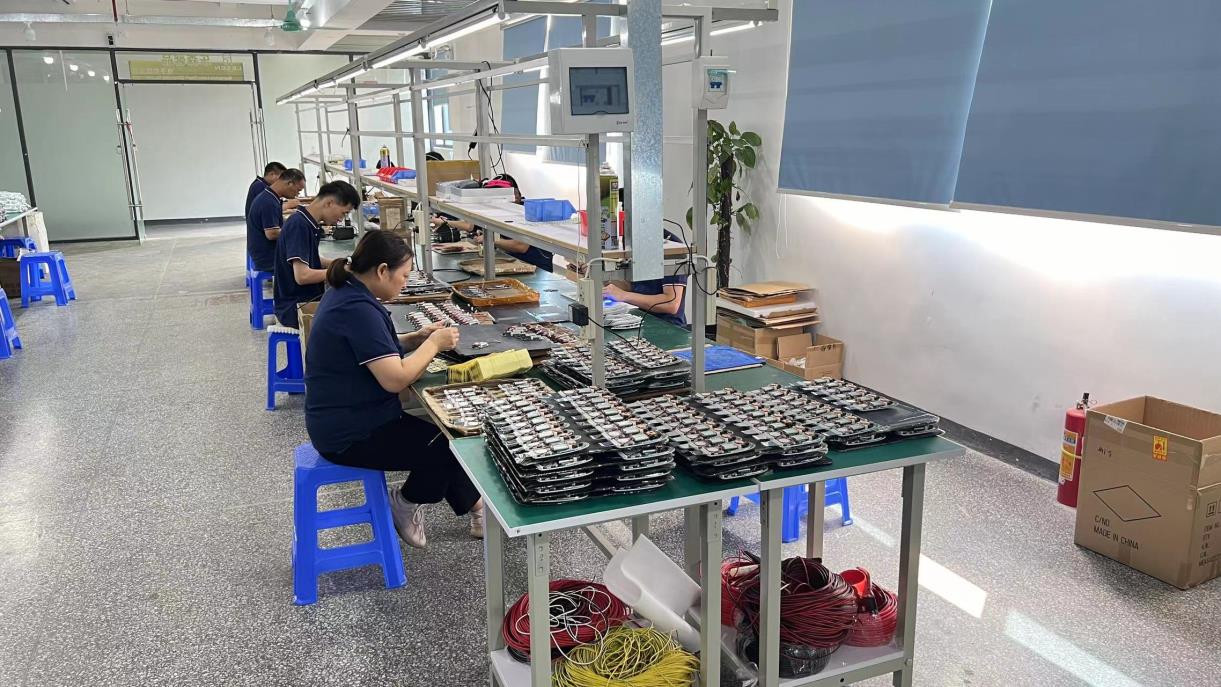
Shenzhen Yiki Beauty Co., Ltd. is a professional enterprise integrating R&D, design, manufacturing, and global sales of advanced aesthetic and beauty equipment. Built by a team of experienced technical engineers and product designers, the company offers fully in-house capabilities ranging from industrial appearance design and electronic system development to assembly, testing, and packaging.
Yiki Beauty provides a true one-stop solution for global customers, helping partners reduce complexity in product development, production, and branding. By combining innovative engineering with practical clinical and salon applications, the company continuously delivers safe, effective, and market-oriented beauty devices.
With a strong focus on quality control and technological innovation, Shenzhen Yiki Beauty Co., Ltd. supports OEM and ODM services, as well as private label branding. The company adheres to strict international quality standards and strives to build long-term partnerships with distributors, clinics, salons, and beauty chains worldwide.
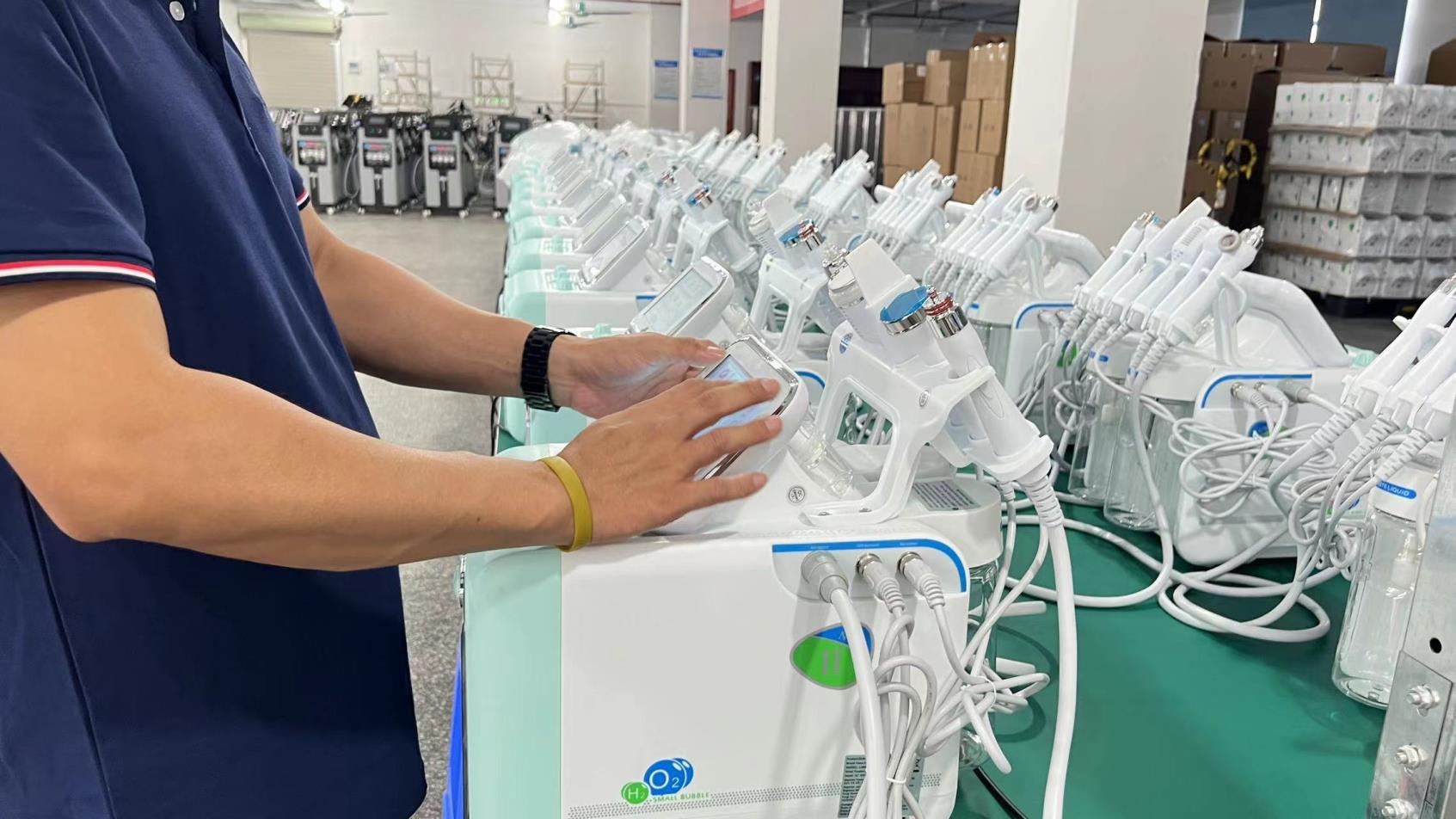
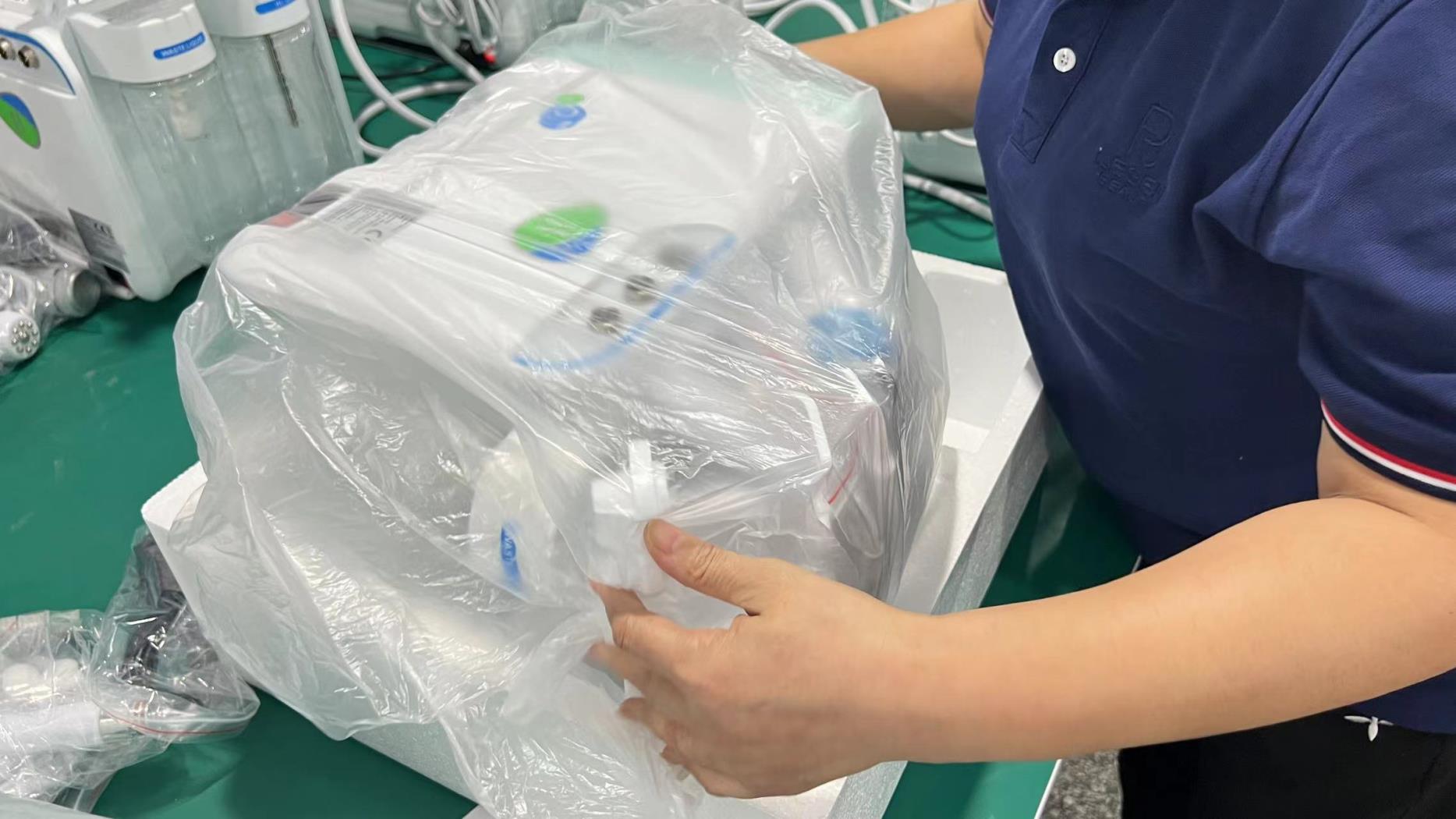
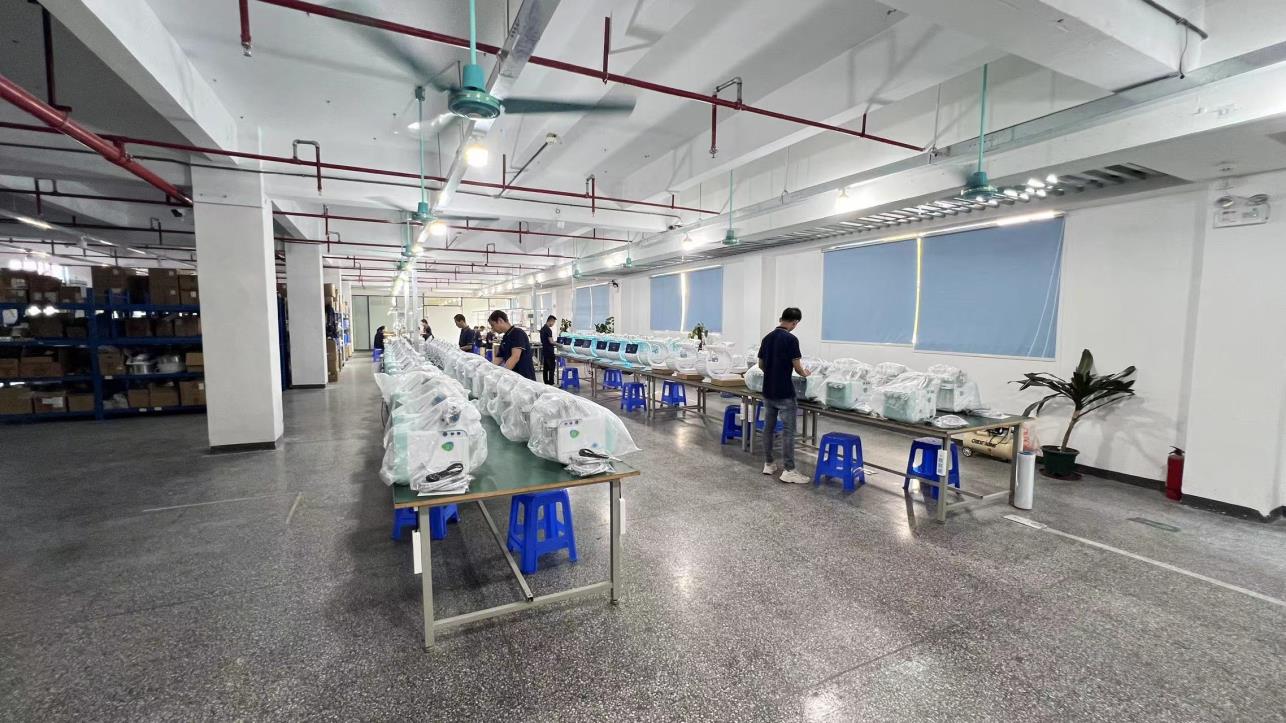
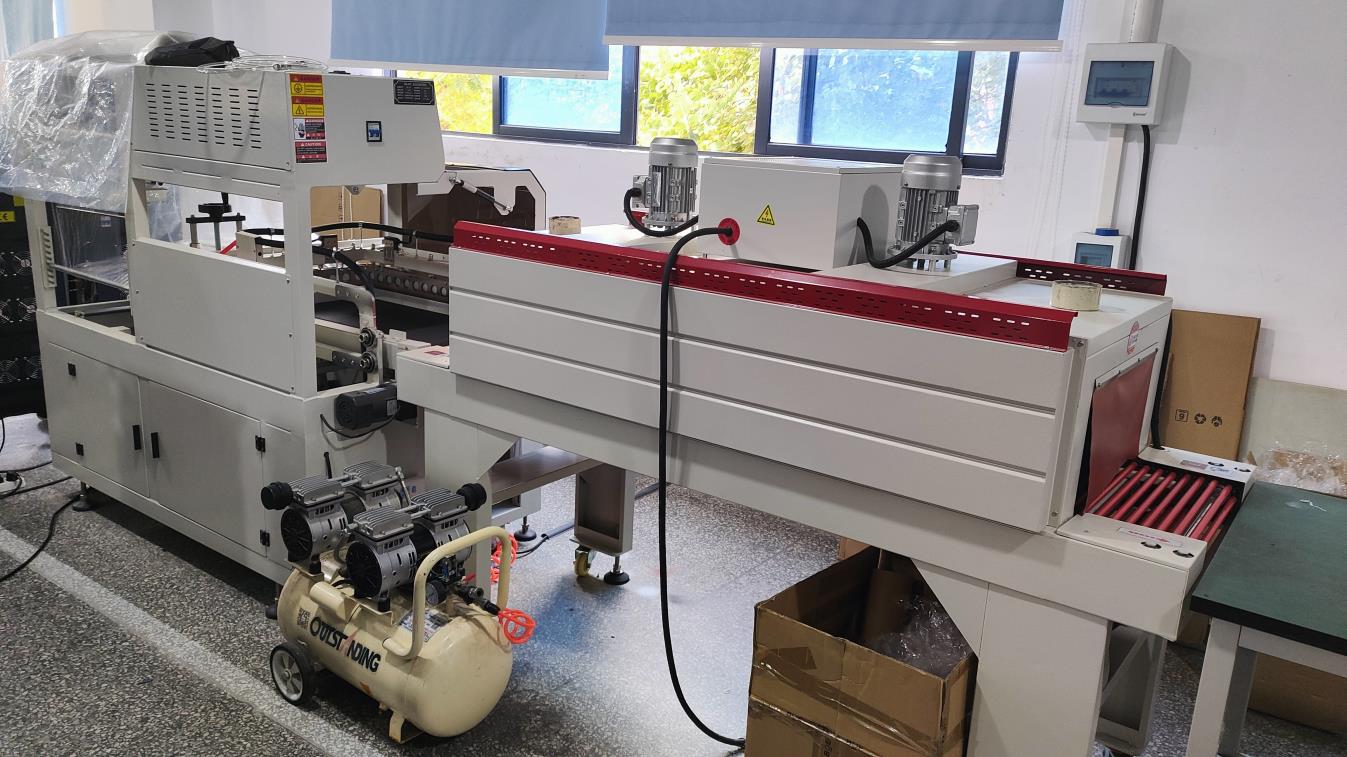
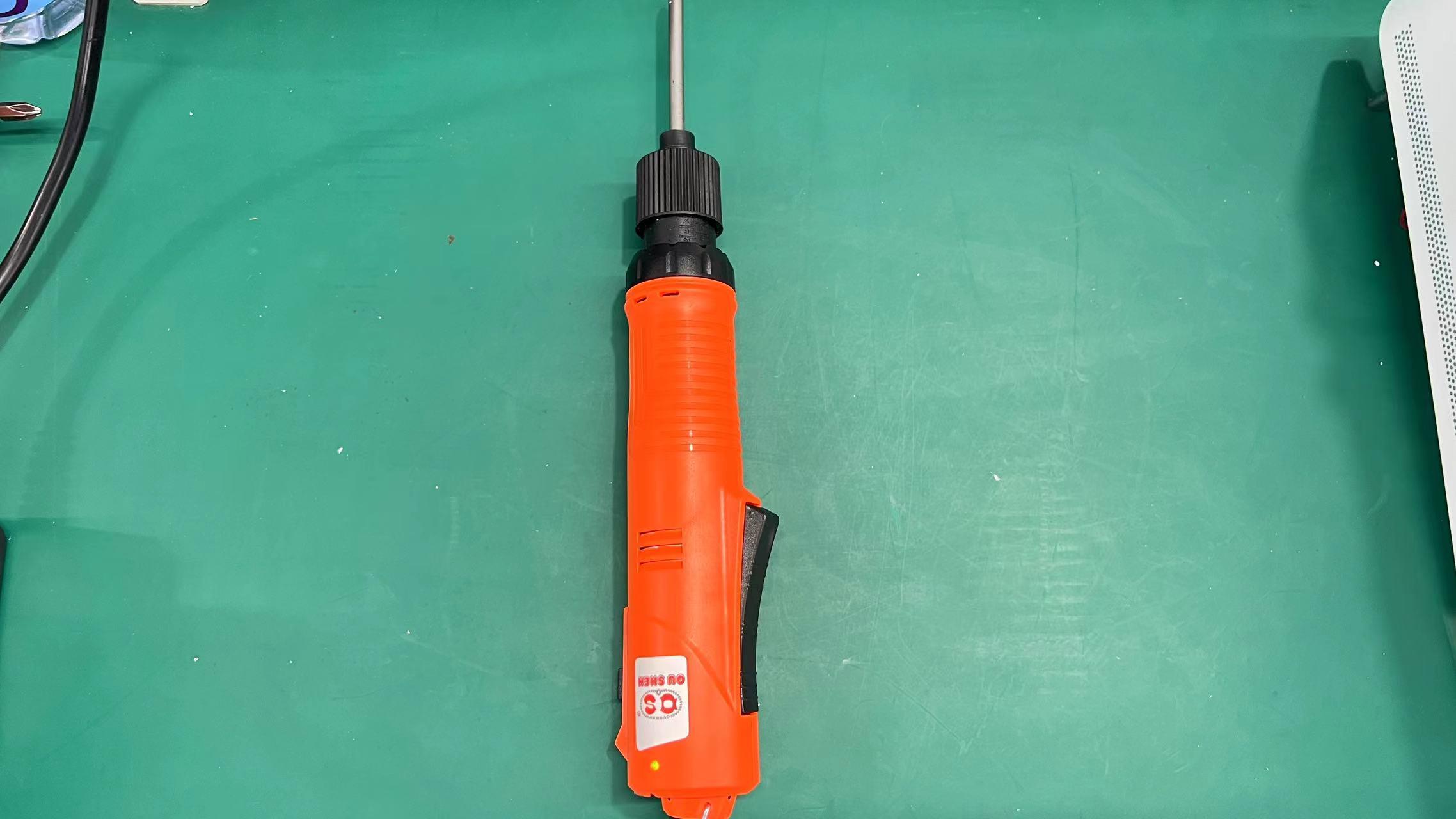
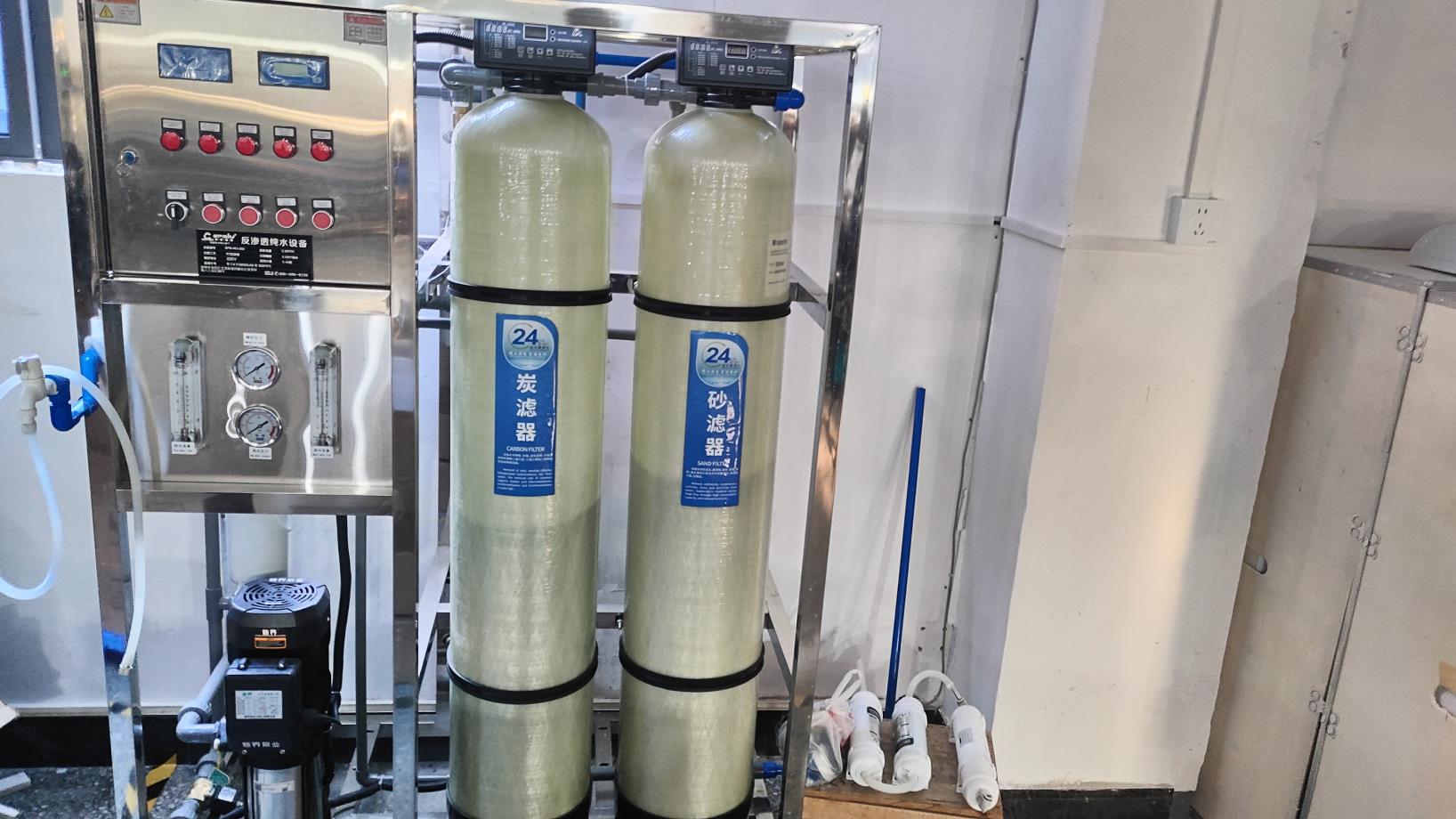
Our factory features advanced tooling and strict testing protocols to ensure stable pulse output, consistent energy calibration, and safe mechanical operation.
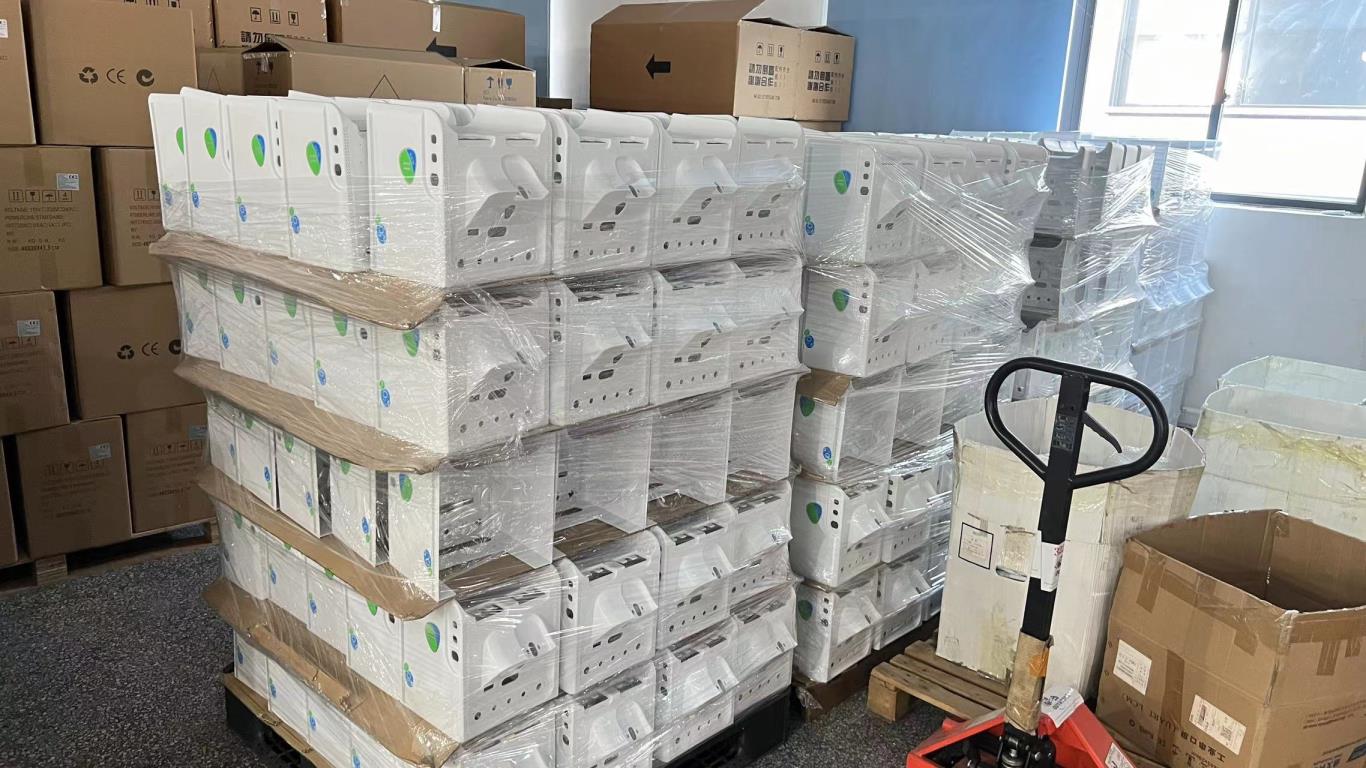
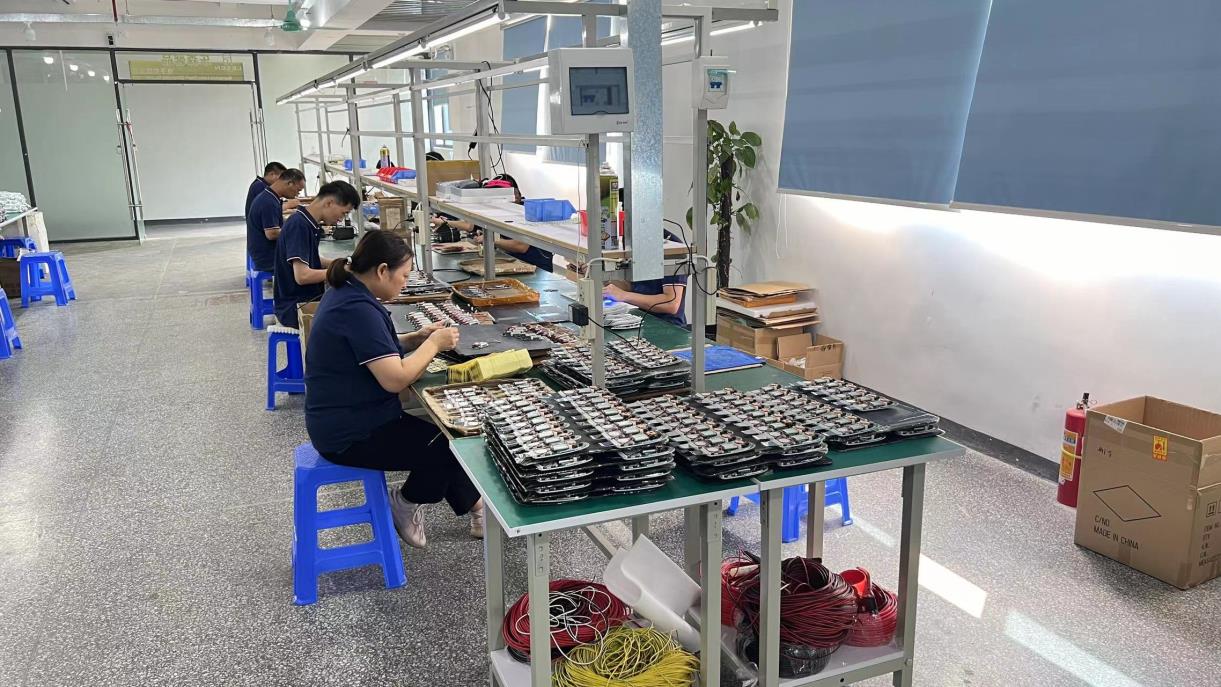
Operating medical laser equipment within the European Union, especially in highly regulated markets like the Netherlands, requires strict adherence to safety standards. Manufacturers must ensure their systems align with European regulations to protect both clinics and patients.
We provide comprehensive technical documentation, including EMC and LVD test reports. This supports local distributors in the Netherlands with registration requirements, ensuring compliant imports and sales.
We offer customized software interfaces, custom outer casing designs, and support for multi-language software (including Dutch). We also assist with local branding and logo placement to help you stand out in the local market.
We provide spare parts, comprehensive video assembly guides, and direct support from our engineering team. These resources help Dutch clinics and technicians minimize downtime and ensure smooth operation.
Answers to common technical, clinical, and regulatory questions from laser distributors and clinical buyers in the Netherlands.
Explore our full range of aesthetic laser systems, designed for different business models—from portable units for smaller salons to high-power medical systems for large clinics.
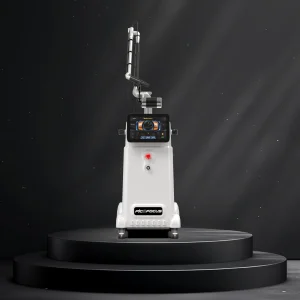
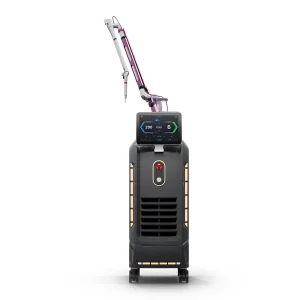
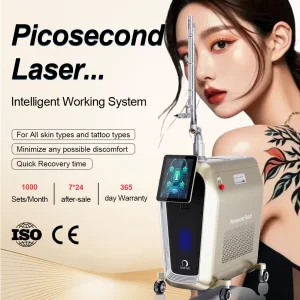
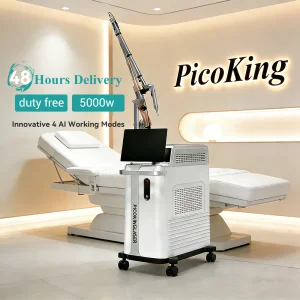
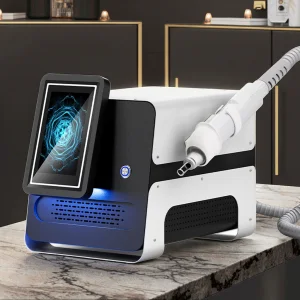
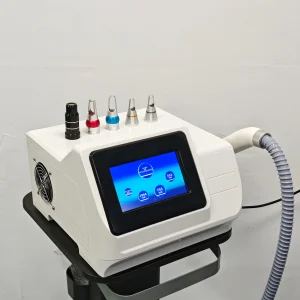
Partner with Yiki Beauty to access medical-grade aesthetic equipment. We offer reliable supply chains, CE compliance support, and customized OEM/ODM options designed for the Netherlands and wider European markets.
Request Quotation & Catalogue Yiki Beauty