Engineered for premium medical spas in Warszawa, Kraków, and Poznań. Designed to deliver consistent clinical energy outputs.
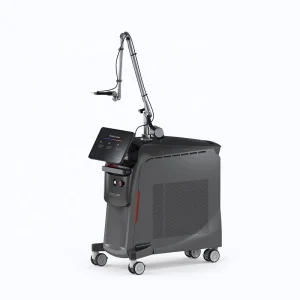
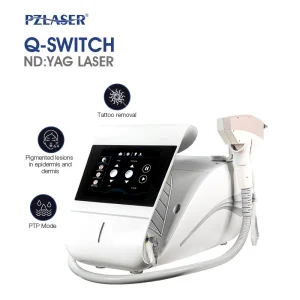
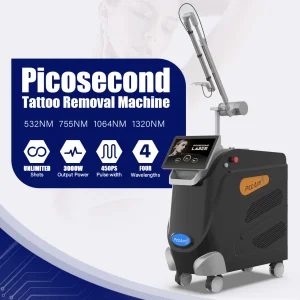
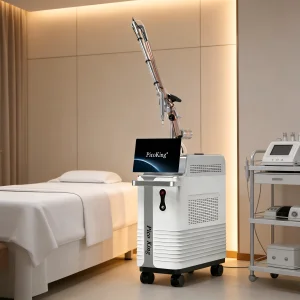
In recent years, Poland has emerged as a key growth engine for the aesthetic medicine and professional beauty sector in Central and Eastern Europe. With major metropolitan hubs like Warsaw, Kraków, Wrocław, and Gdańsk witnessing an influx of high-end clinical setups, demand for state-of-the-art dermatological equipment has surged. In particular, the demand for **picosecond laser tattoo removal machines** has shifted from a niche cosmetic service to a standard core treatment offering.
Unlike traditional nanosecond Q-switched lasers, which rely heavily on photothermal action to heat and break down ink particles (often resulting in thermal damage to surrounding tissue and longer recovery times), picosecond technology uses ultra-short pulse durations to trigger a highly localized **photoacoustic effect**. This mechanical action shatters ink particles into microscopic, sand-like dust with minimal heat generation, which the body’s lymphatic system removes more quickly and efficiently.
SEO Insight & Market Reality: Polish consumers are highly educated and prioritize safety, efficiency, and minimal downtime. Aesthetic clinics that advertise "Picosecond Laser Treatment" enjoy a 40% higher customer retention rate and are able to justify premium pricing structures compared to clinics offering legacy Q-switched Nd:YAG procedures.
Regulatory alignment within Poland, guided by European Union MDR (Medical Device Regulation) guidelines, has created a rigorous screening process for imported aesthetic hardware. Local buyers are increasingly looking for manufacturers who can supply robust technical documentation, high power ratings (up to 1500W - 5000W), stable energy transmission (such as South Korean imported articulated arms), and true multi-wavelength flexibility (532nm, 755nm, 1064nm, and 1320nm).
The performance of a professional picosecond laser is determined by its ability to deliver stable energy at pulse durations measured in trillionths of a second. By compressing the pulse duration, the peak power increases exponentially, allowing the laser to tackle stubborn pigments, multi-color tattoos, and dermal spots that were previously untreatable.
Photothermal action. Heats pigment and surrounding tissue. Higher risk of scarring and skin discoloration. 10-15 sessions required.
Pure Photoacoustic action. Shatters ink into fine particles with minimal thermal buildup. Safe for all skin types. 4-6 sessions required.
Unstable energy flux, localized hotspotting, lack of calibration and articulated light delivery systems.
From a procurement perspective, medical device distributors in Poland and wider Europe must balance clinical outcomes with capital equipment costs. Purchasing directly from qualified manufacturers in China offers a competitive advantage. This approach allows distributors to bypass local markups while ensuring advanced hardware customization.
Modern procurement protocols prioritize structural integrity, medical-grade casing materials (such as flame-retardant ABS plastics), multi-lingual software localization (supporting Polish, English, German, and French), and modular internal layouts for straightforward maintenance.
As a manufacturer in the global aesthetic device supply chain, Shenzhen Yiki Beauty Co., Ltd. represents the technological integration of China's Factory 4.0. We manage the entire lifecycle of our products, combining industrial design, electronic system development, assembly, functional testing, and packaging.
Our manufacturing facility is engineered for quality control at every stage:
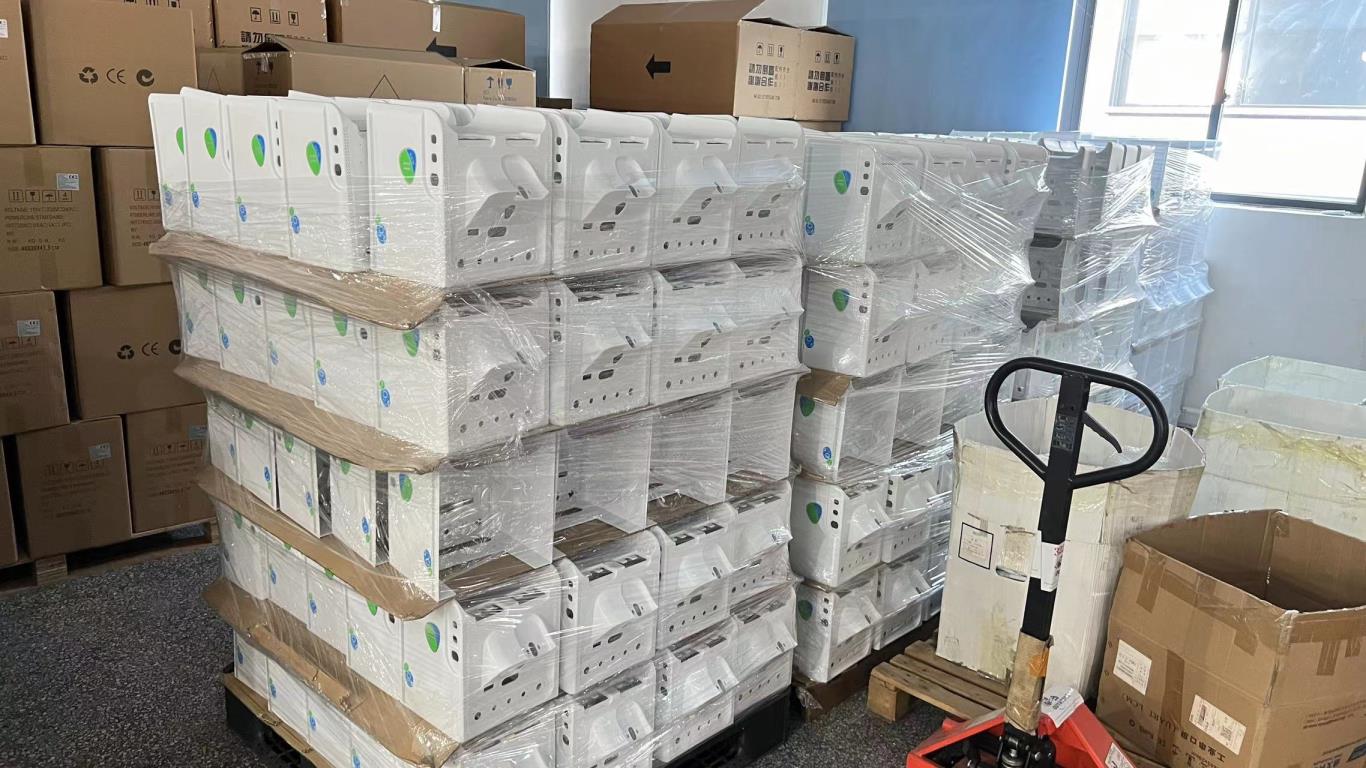
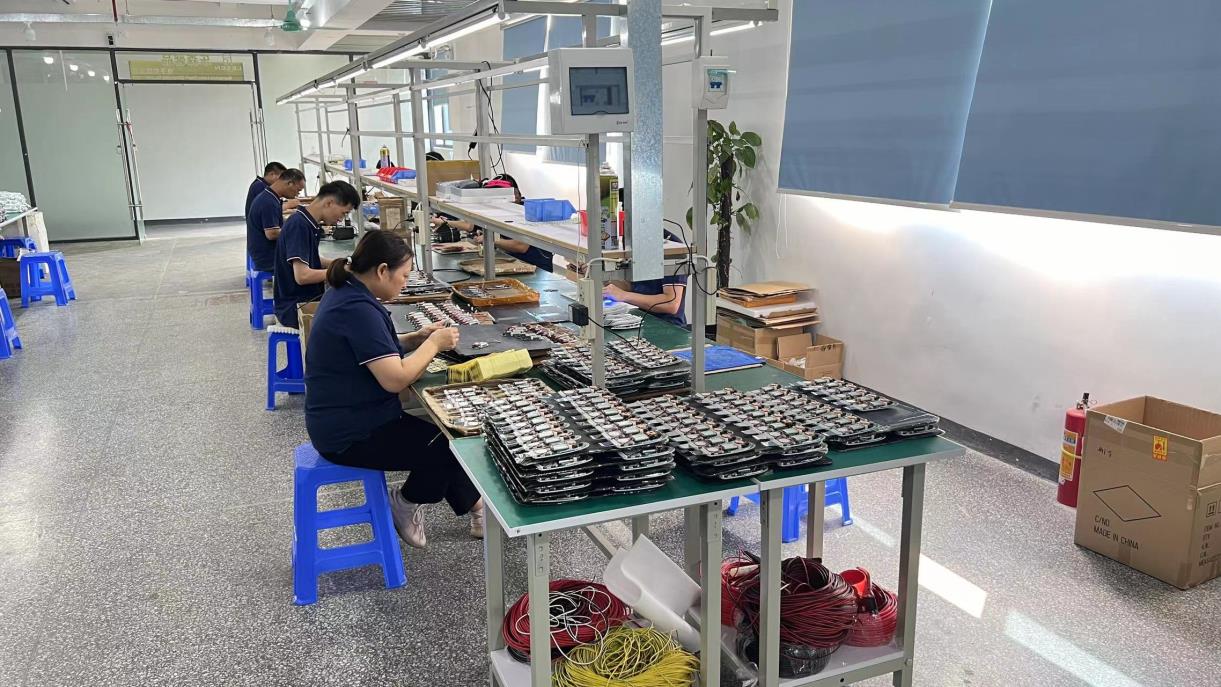
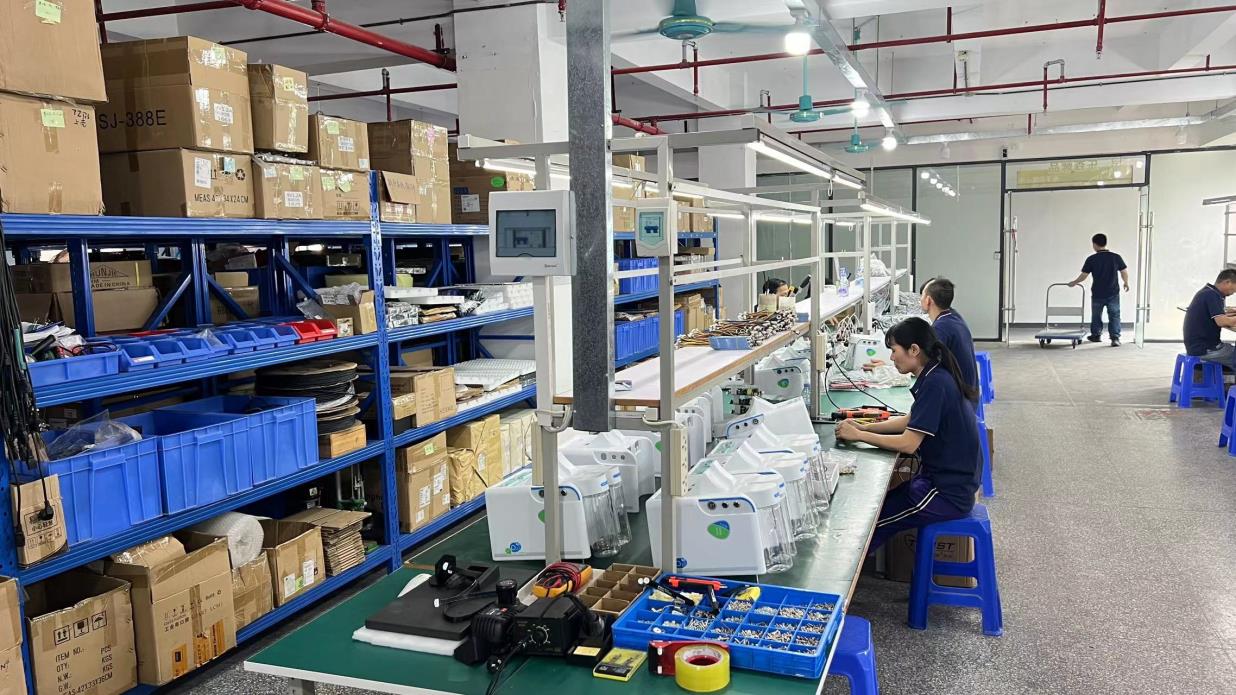
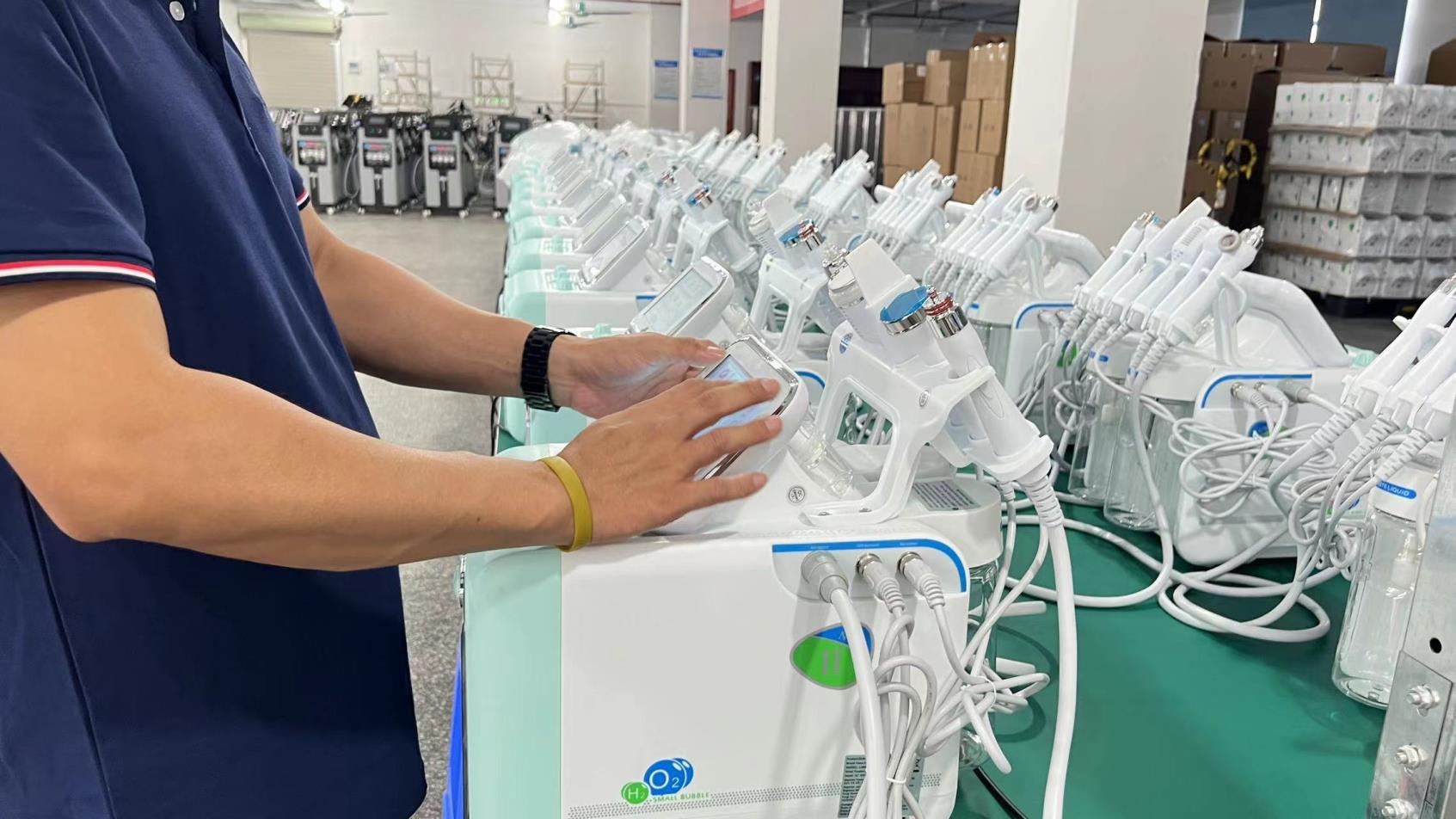
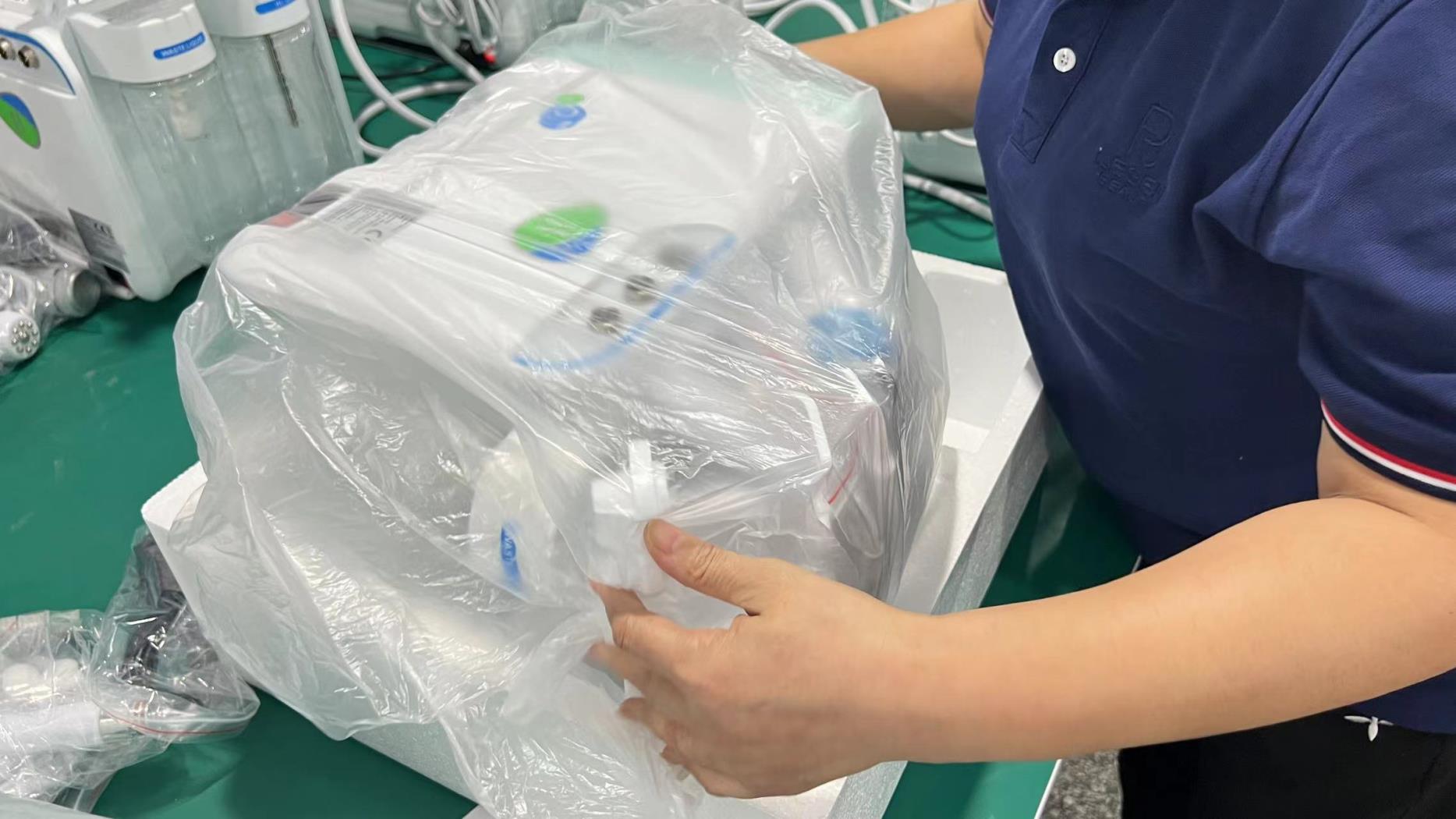
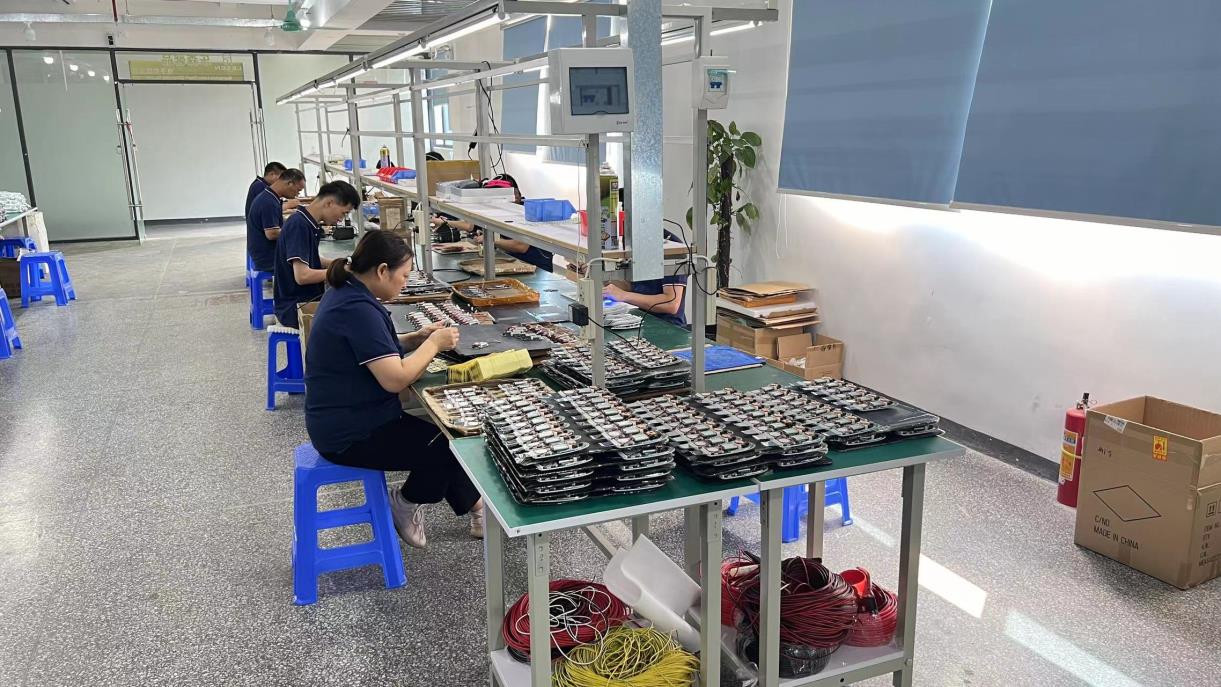
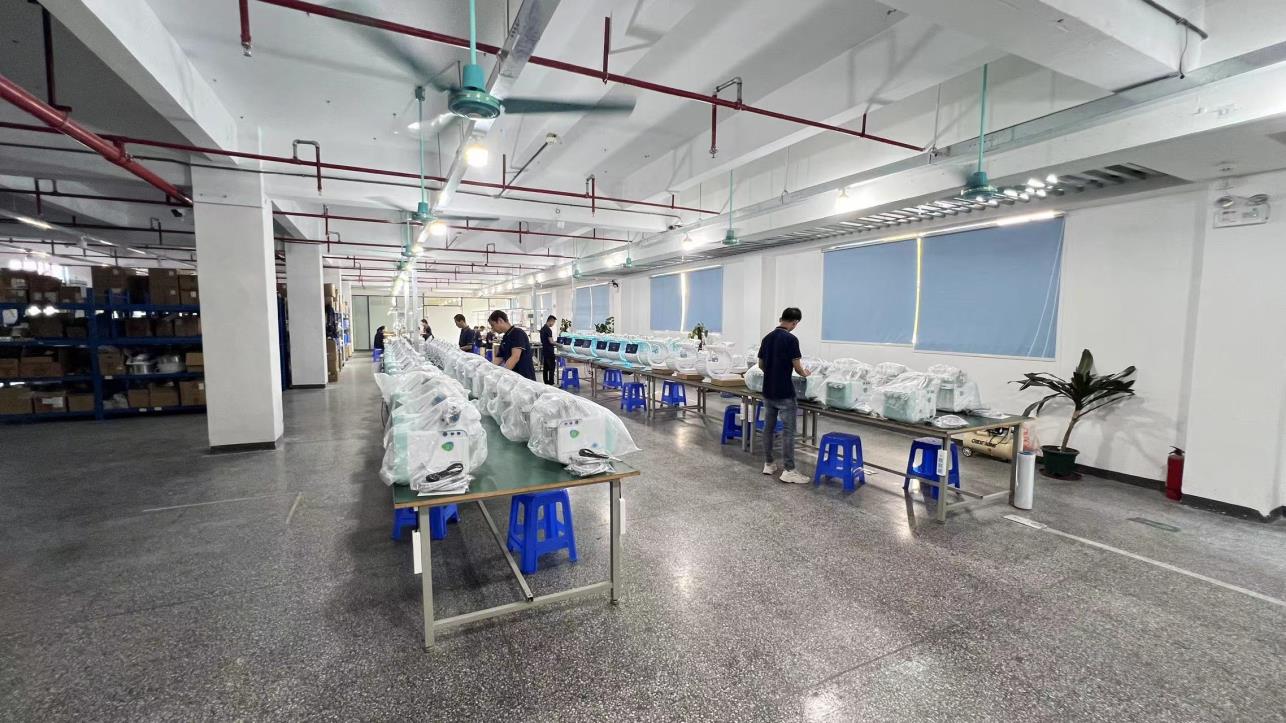
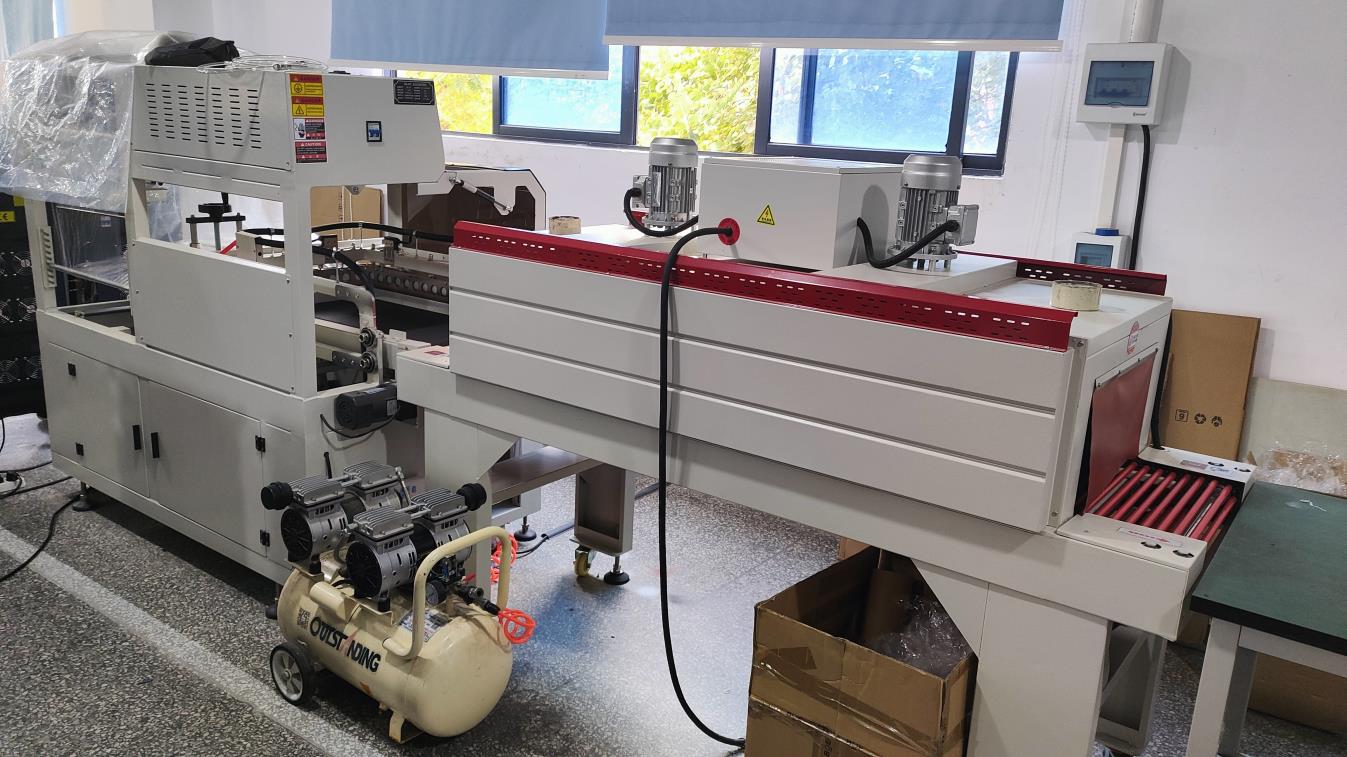
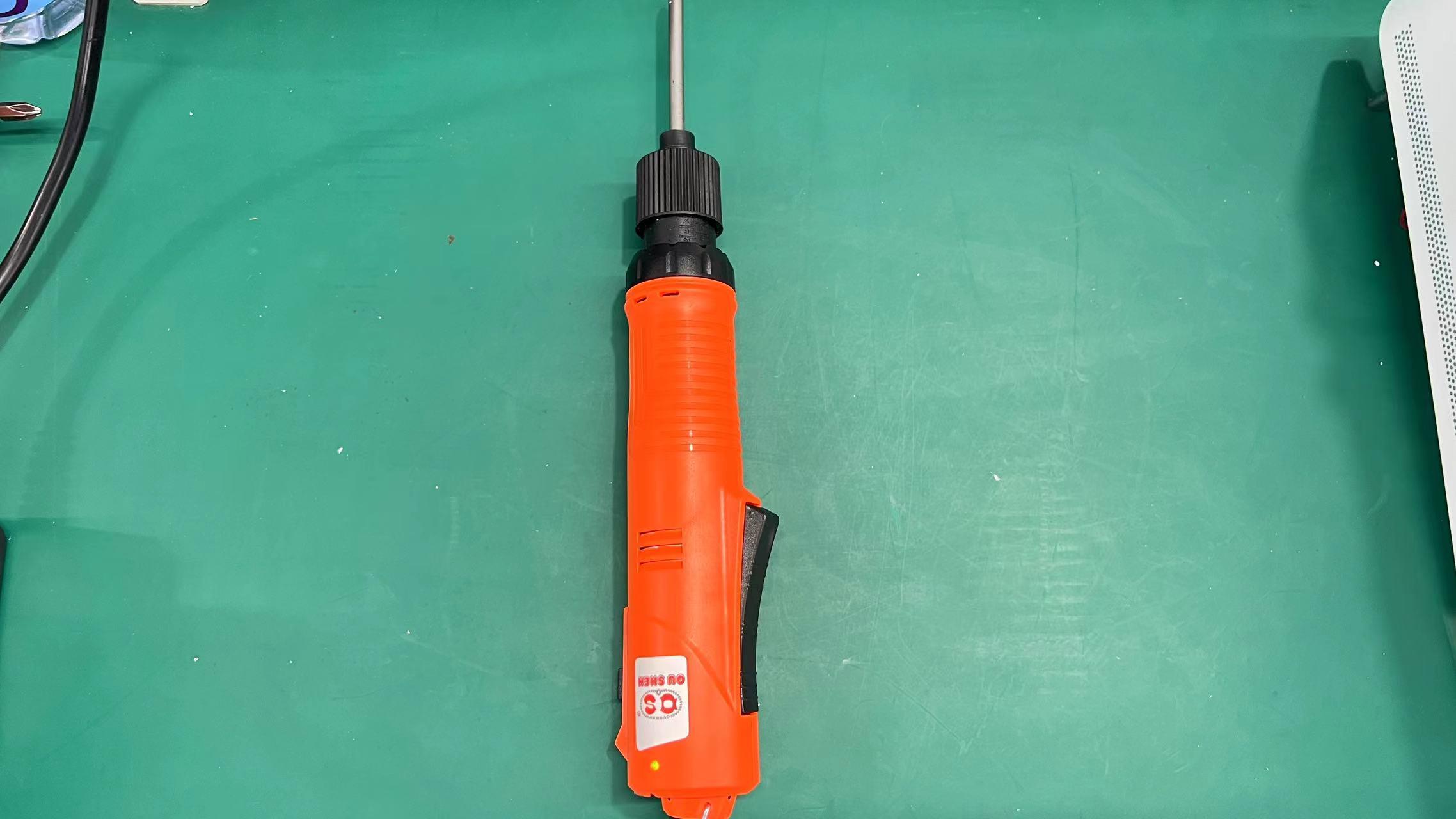
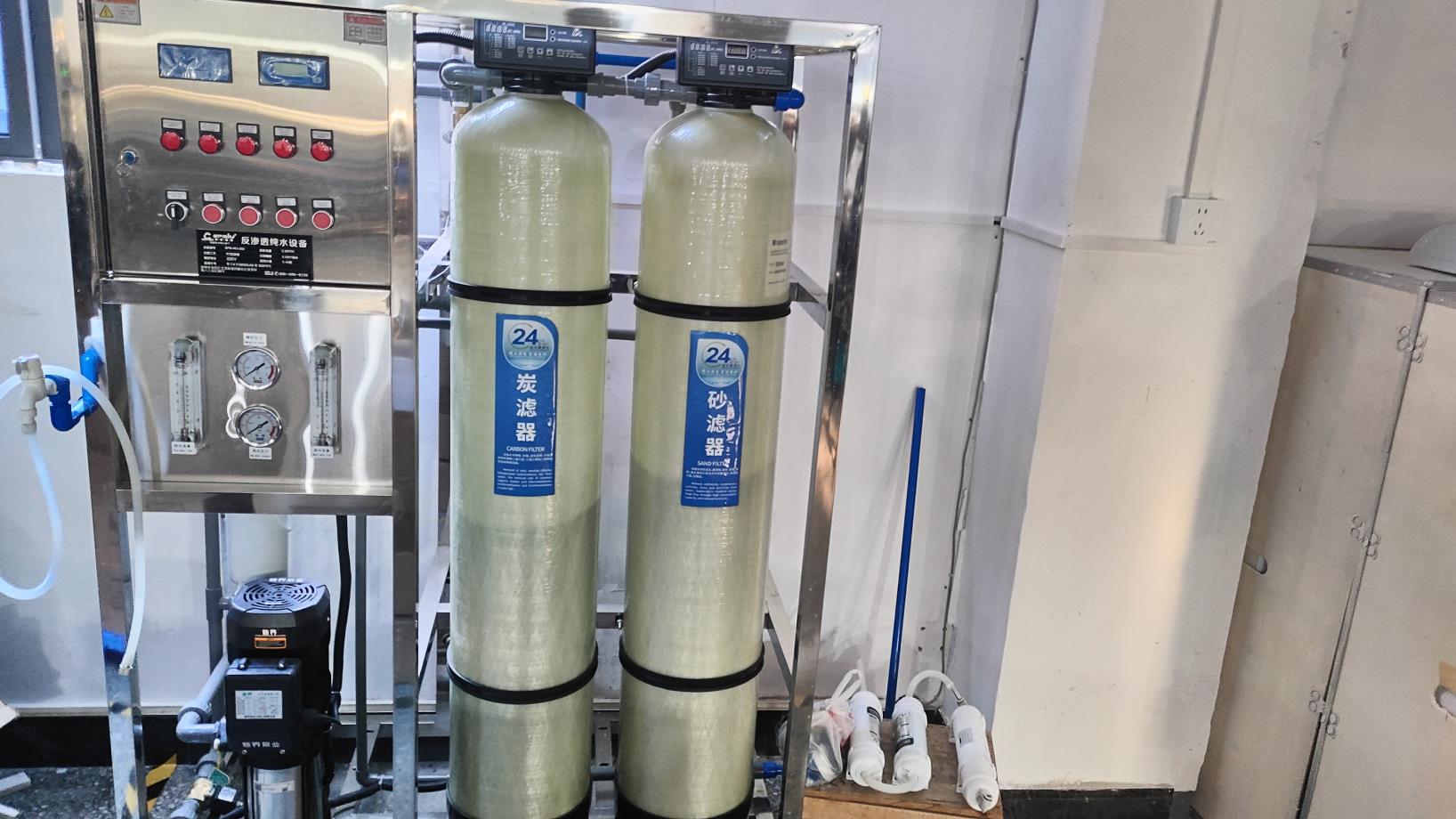
Our production process maintains high quality control at every stage:
Shenzhen Yiki Beauty Co., Ltd. provides OEM/ODM services, allowing distributors to customize chassis colors, software interfaces, and logos. Our product portfolio includes HI-EMT body contouring, laser hair removal systems, Vela body shaping, shockwave therapy, TECAR therapy, 4D HIFU, carbon peeling, and home-use beauty devices.
In Poland, medical clinics encounter distinct patient profiles and skin types. The majority of local patients present with Fitzpatrick Skin Types I to III. While these skin types are less prone to post-inflammatory hyperpigmentation (PIH) than darker skin tones, they remain susceptible to erythema and blistering if energy density is poorly managed.
By offering a variety of treatment options, clinics can maximize their return on investment and address a broader range of patient concerns.
Picosecond lasers deliver energy in ultra-short pulses, creating a photoacoustic shockwave that shatters ink into small particles. This mechanical action is highly targeted and generates minimal heat, reducing the risk of scarring, lowering patient discomfort, and requiring fewer total treatment sessions.
Our manufacturing facility handles all stages of production internally, from optoelectronic alignment to automated testing and export packaging. We use standardized components, perform rigorous functional testing, and employ protective packaging to ensure reliable delivery to the Polish and European markets.
Yes. Our aesthetic systems are manufactured to comply with EU safety, electromagnetic compatibility (EMC), and low-voltage standards. We support our Polish partners by providing full technical documentation and CE compliance certificates to assist with local regulatory requirements.
We provide comprehensive technical documentation, video installation guides, and direct support from our engineering team. We also maintain a stock of replacement parts, including flashlamps and optical filters, to ensure prompt maintenance and minimize clinical downtime.
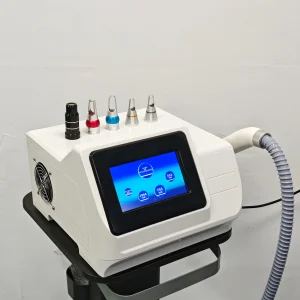
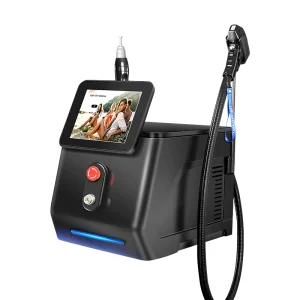
A comprehensive selection of portable and vertical systems designed to meet the clinical and space requirements of modern practices.
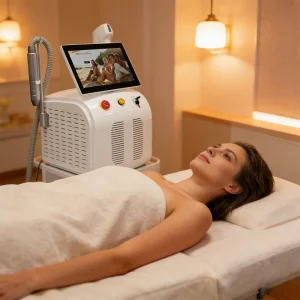
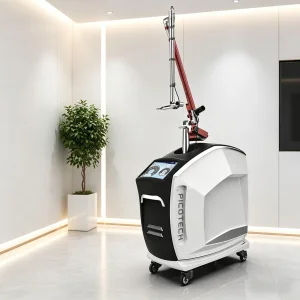
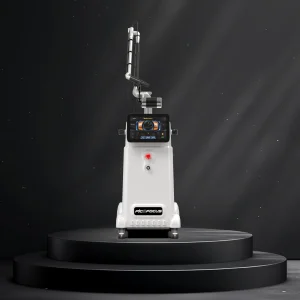
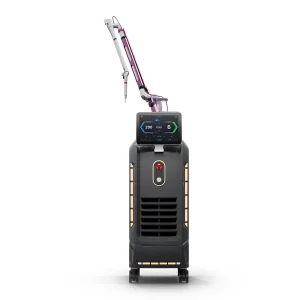
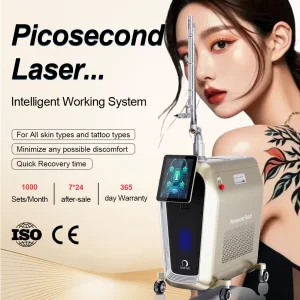
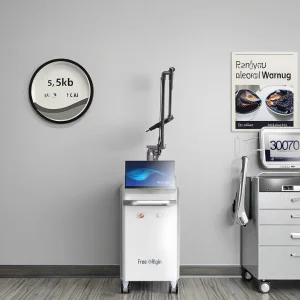
Highly customized specifications designed to address specialized dermatology requirements and multi-application treatment plans.
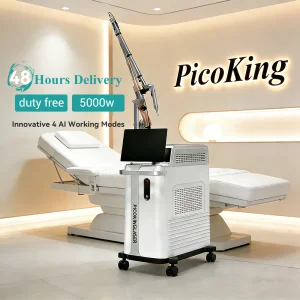
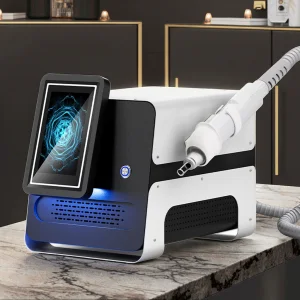
Contact our technical sales team for personalized hardware configurations, OEM branding options, and direct-from-factory pricing.
 Yiki Beauty