Clinical-grade systems engineered for high performance, thermal safety, and targeted cellular treatment
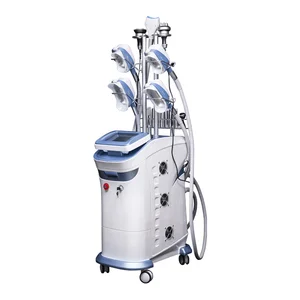
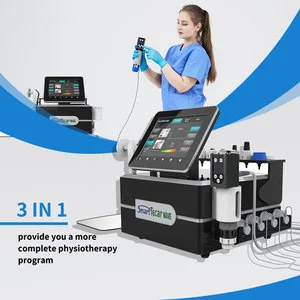
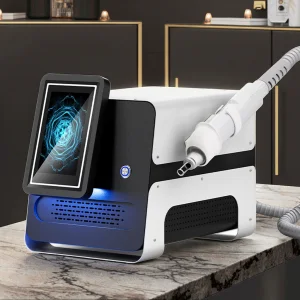
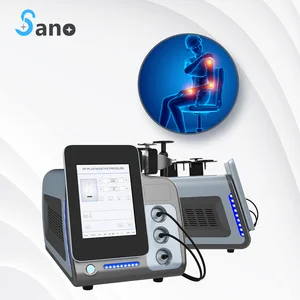
The global demand for non-invasive body contouring solutions has led to significant growth in the aesthetic technology sector. At the center of this transformation is low-frequency ultrasonic cavitation. By using physical acoustic pressure rather than thermal destruction or surgical extraction, modern cavitation systems provide clinics and patients with a safe, effective, and reliable method to target localized fat deposits.
For international buyers, spa chains, and medical device distributors, sourcing from leading manufacturers in China has become a standard approach to scaling their operations. However, selecting the right partner requires a deep understanding of the mechanical designs, material sciences, and electronic control systems that separate professional-grade clinical devices from standard retail models. This white paper covers the manufacturing principles, engineering roadmaps, and logistics systems that define the industry standard for Chinese-manufactured cavitation equipment.
Modern search systems prioritize authentic information that directly answers technical inquiries. Standard promotional copy often lacks the detail required by experienced procurement teams. This document addresses the core technical aspects of cavitation systems: transducer performance, frequency stability, electrical engineering, and regulatory compliance.
By analyzing the physical principles of acoustic cavitation—including bubble formation, pressure differentials, and thermal energy dissipation—we show how professional manufacturers build stable devices. We highlight the integration of additional features like Multi-polar Radio Frequency (RF), vacuum suction, and active cooling to help distributors make informed procurement decisions.
Understanding the engineering behind micro-bubble implosion and subcutaneous tissue targeting
Professional cavitation devices emit high-intensity acoustic waves at a frequency of 40kHz (±2kHz). These sound waves create alternating cycles of high pressure (compression) and low pressure (rarefaction) within the targeted subcutaneous fat layer. During the rarefaction phase, the negative acoustic pressure pulls molecules apart, generating microscopic vapor bubbles. Over successive cycles, these bubbles expand until they reach an unstable size and implode, releasing localized energy that breaks down fat cell membranes.
The core component of any cavitation device is the acoustic transducer. Quality manufacturers use high-grade Lead Zirconate Titanate (PZT) piezoelectric ceramics. When electric currents pass through these elements, they expand and contract rapidly, converting electrical energy into mechanical sound waves. Lower-grade systems can suffer from frequency drift, which generates excess heat instead of stable acoustic waves, reducing efficacy and risking skin burns.
The industry's technical development points toward multi-energy synergy. Modern devices combine 40kHz cavitation with multi-polar radiofrequency (RF), vacuum massage, and low-level laser therapies. By integrating AI-driven impedance sensing, next-generation systems can measure subcutaneous fat resistance in real-time, automatically adjusting energy outputs to optimize safety and treatment outcomes.
How Shenzhen Yiki Beauty Co., Ltd. leverages localized manufacturing to deliver high-quality global standards
Shenzhen, China is a major hub for medical-aesthetic and beauty device manufacturing. The local industrial ecosystem provides access to electronic design engineers, specialized component fabricators, and advanced assembly facilities. This concentration of resources allows manufacturers to quickly move designs from initial prototype to final production while maintaining strict quality controls.
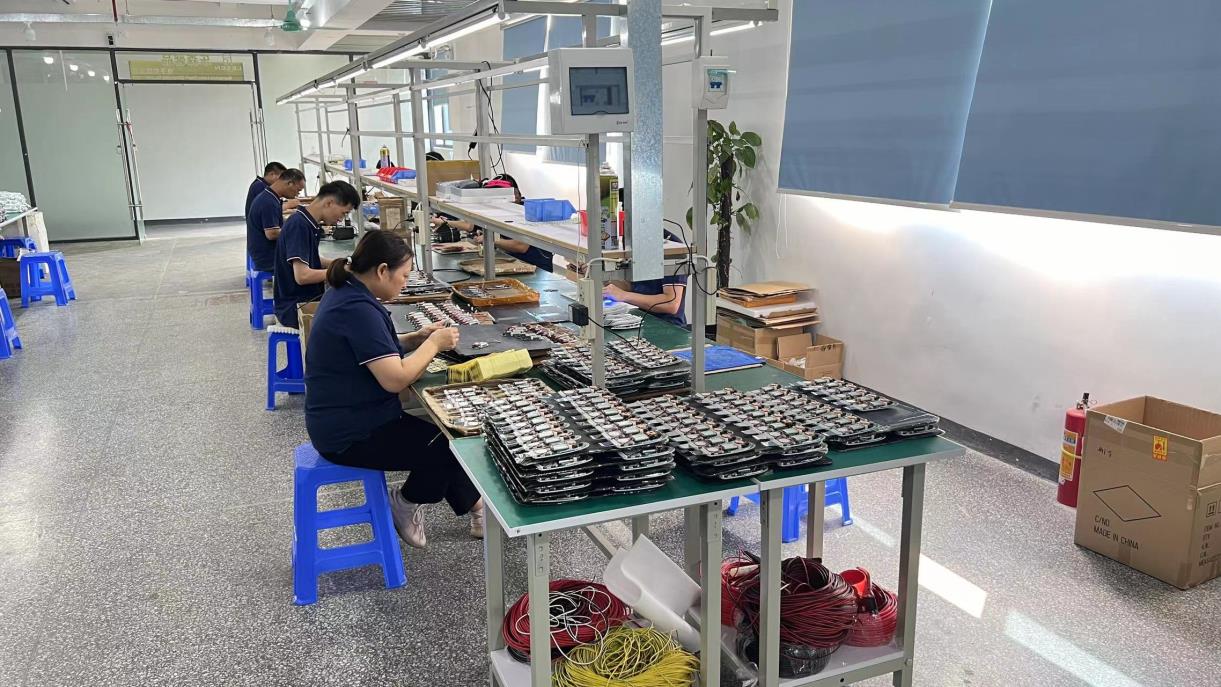
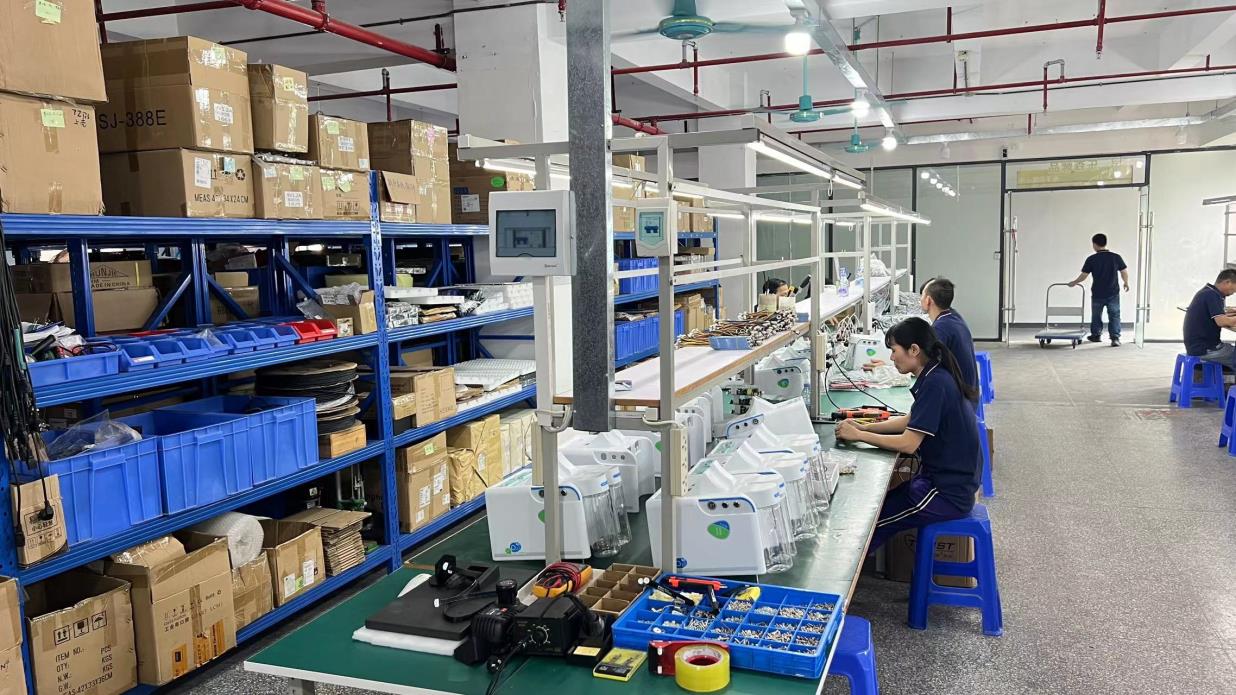
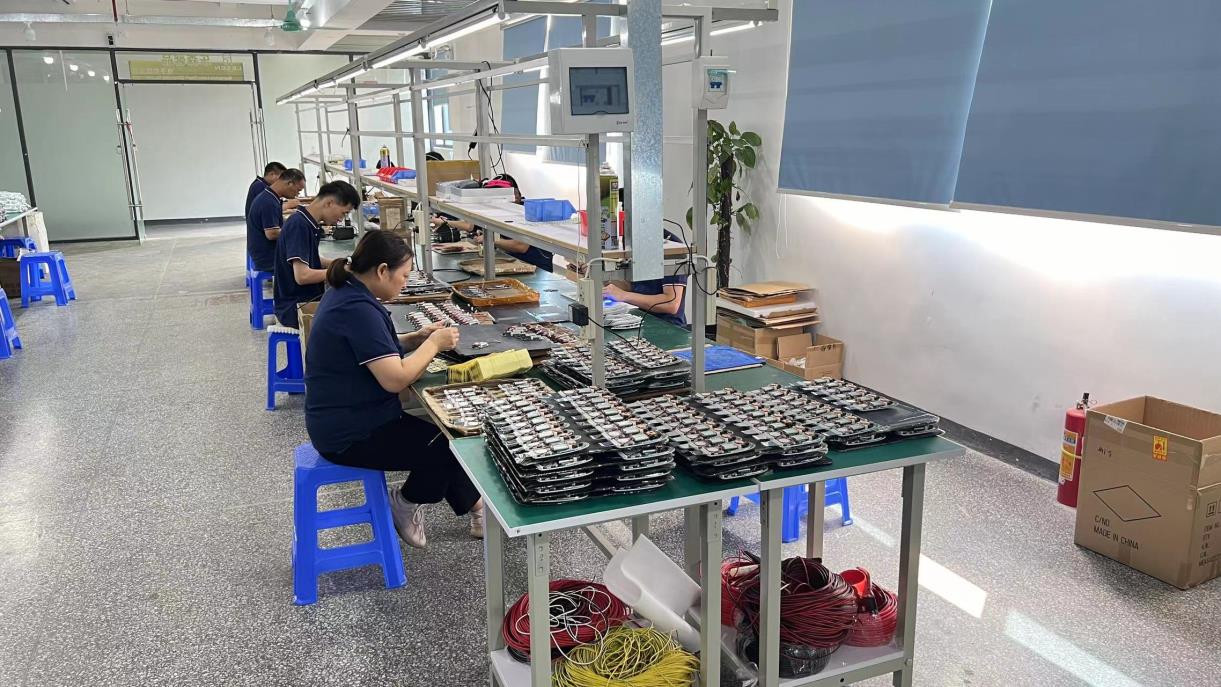
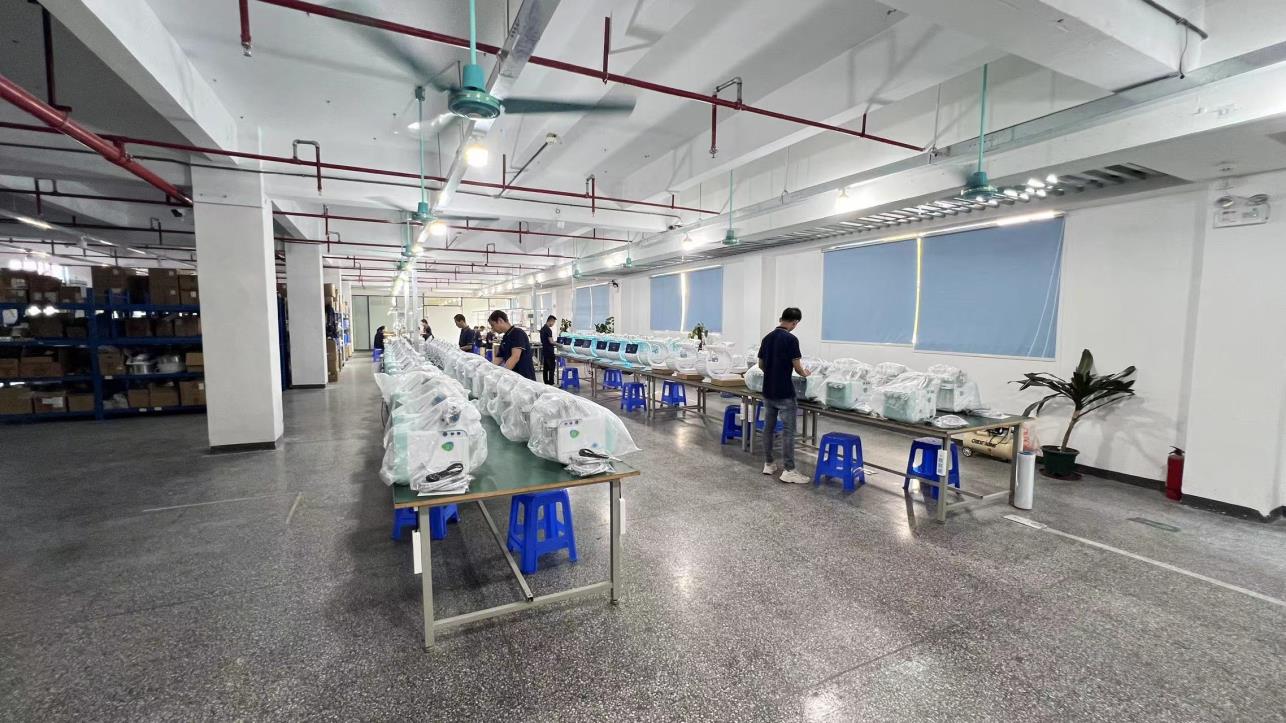
Shenzhen Yiki Beauty Co., Ltd. is an established manufacturer in this region, integrating in-house R&D, industrial design, electronic engineering, assembly, testing, and packaging. By managing the entire production cycle, the company reduces development complexity and ensures consistent performance across their product lines. They support OEM/ODM customization and private-label branding, exporting to 15 major international markets, including the United States, Germany, Australia, Canada, Italy, France, and the United Kingdom.
Treatments are most effective when customized for regional body types and clinical setups:
Importing aesthetic machinery requires compliance with international safety and electrical standards to ensure smooth customs clearance and operator safety:
Expert technical answers for distributors, aesthetic clinics, and spa owners
A frequency of 40kHz provides an optimal balance between penetration depth and cavitation intensity. Lower frequencies can penetrate too deeply and cause uncomfortable bone resonance (a ringing sound in the ears), while higher frequencies (like 1MHz) disperse energy closer to the skin surface, making them more suitable for heating skin rather than disrupting deeper subcutaneous fat.
Cryolipolysis uses controlled cooling (-5°C to -10°C) to freeze fat cells, triggering natural cell death (apoptosis) over several weeks. Ultrasonic Cavitation uses acoustic pressure waves to immediately disrupt fat cell membranes, turning them into liquid waste that is processed through the lymphatic system. The two systems are often used together to target different layers of fat.
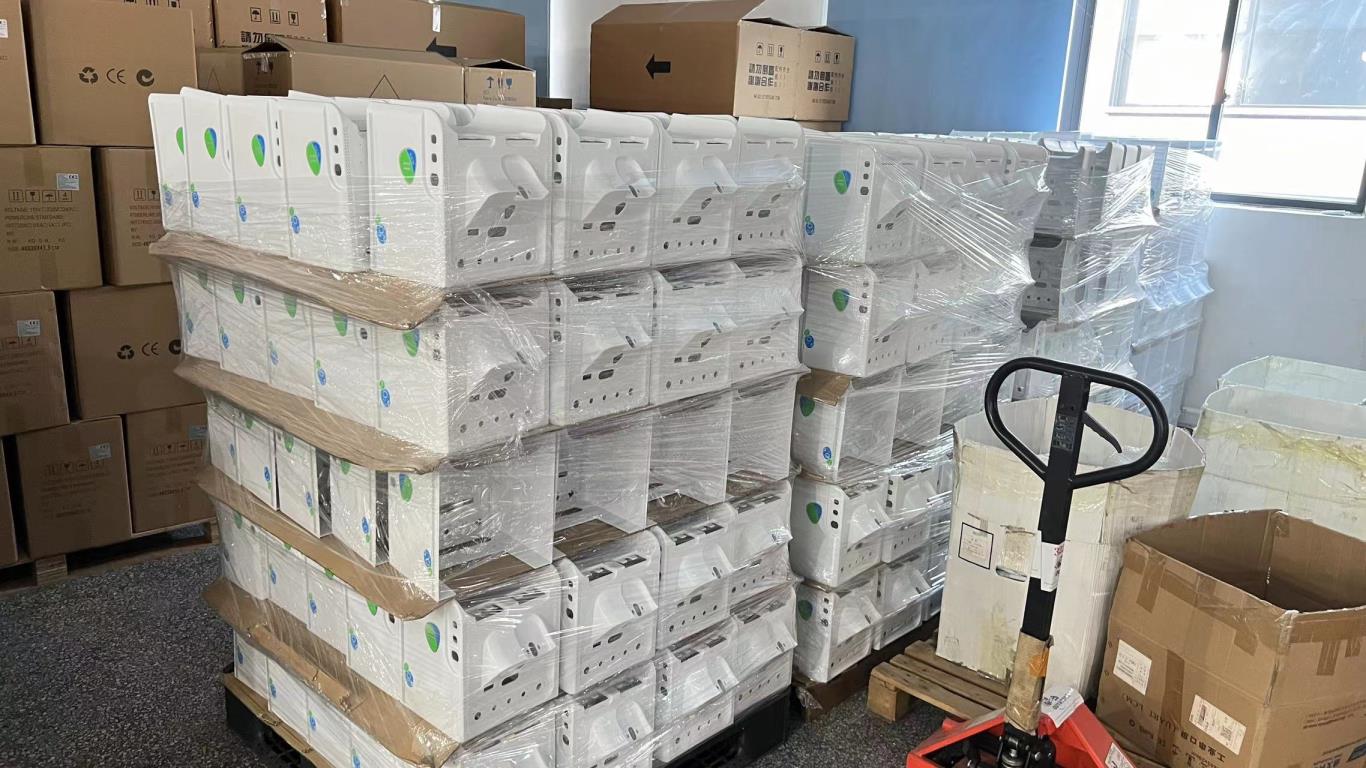
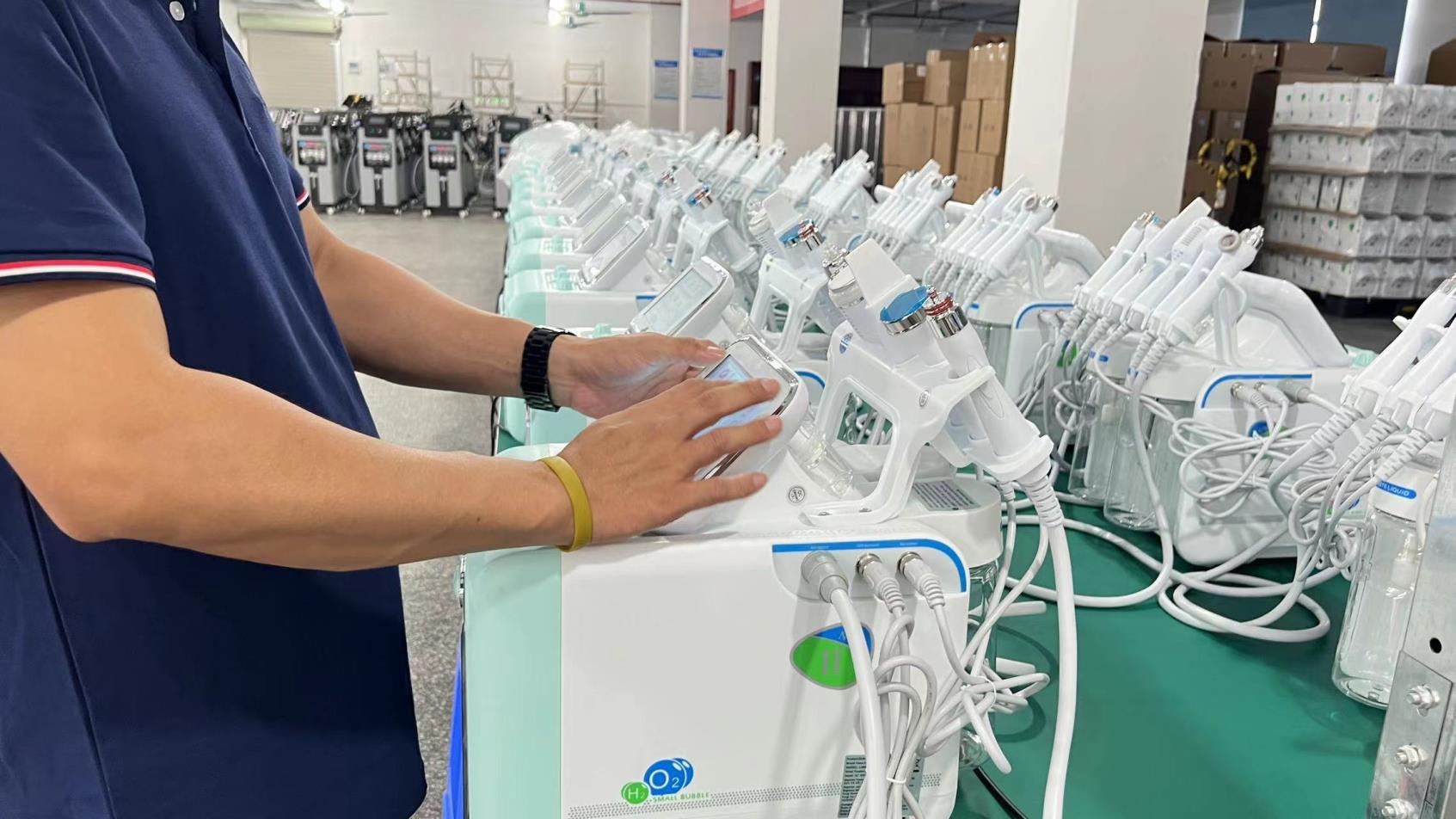
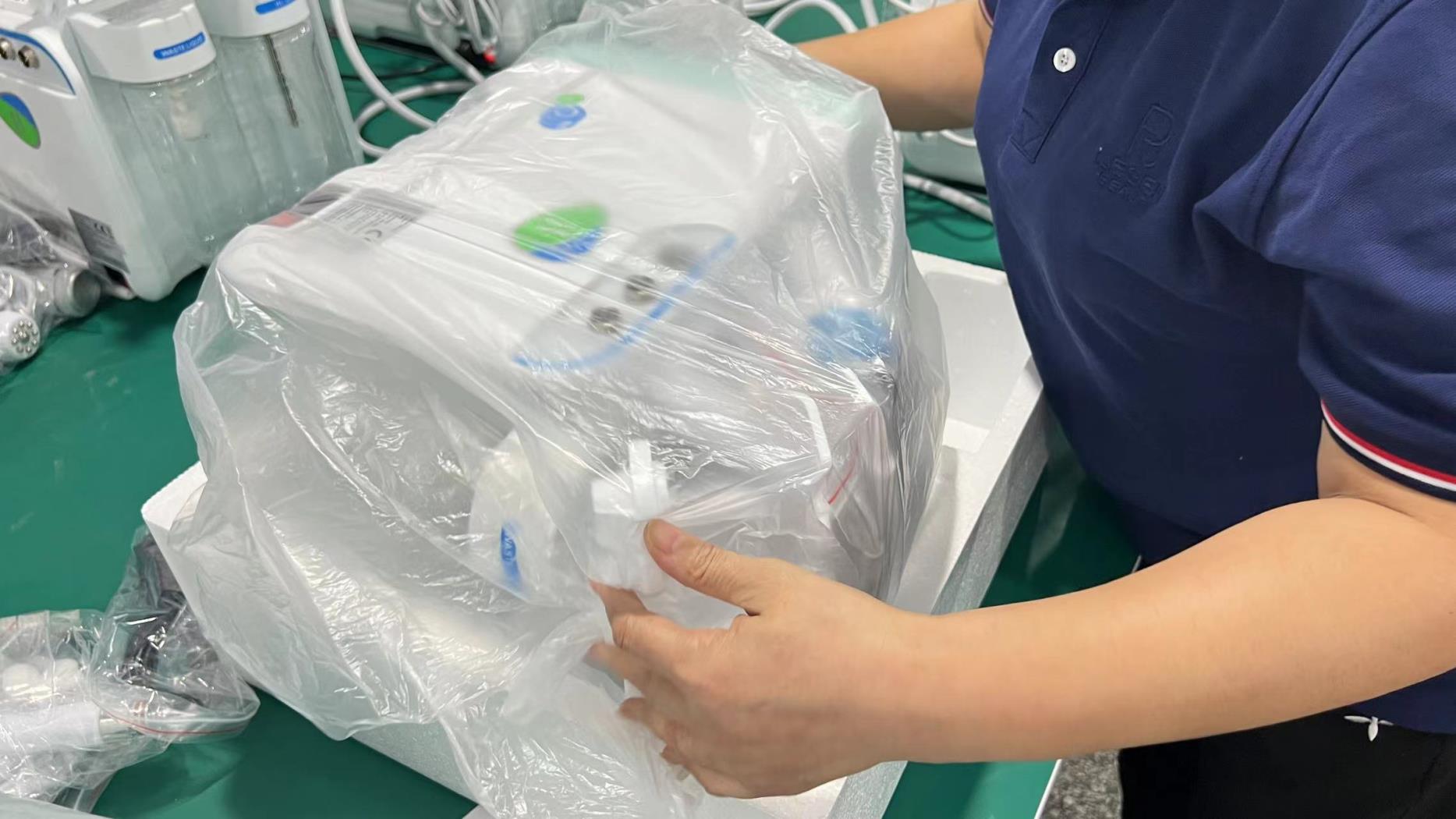
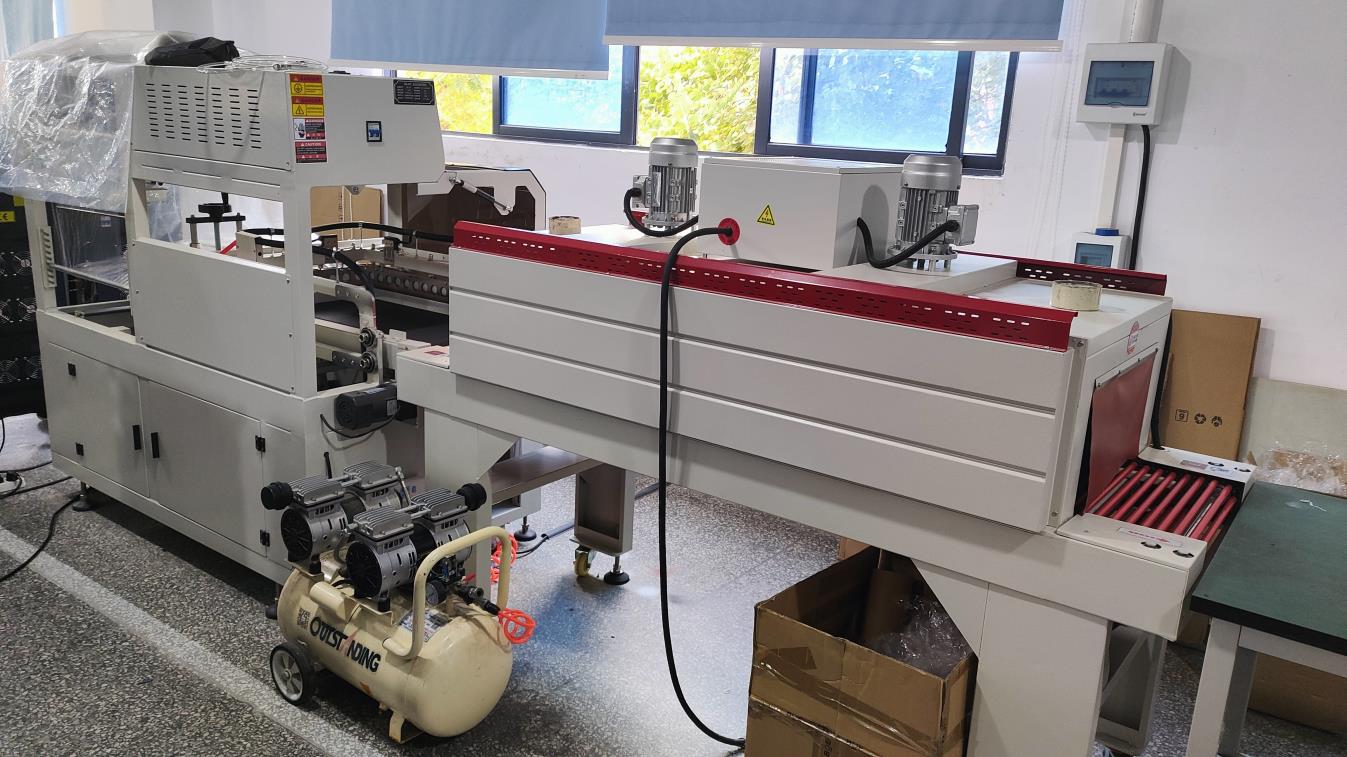
The factory uses a multi-step quality control workflow: raw material testing, structural checks during assembly, active acoustic output measurement, and continuous load testing for 48 hours to ensure frequency and thermal stability. Devices are then cleaned, packaged in protective shipping materials, and shrink-wrapped for delivery.
Professional-grade devices are designed with active cooling loops (liquid-cooled or high-speed fan systems) to manage heat built up in the transducers. This allows the system to operate reliably throughout the day in busy clinics. Proper cooling prevents frequency drift and protects the transducer components from wear.
Standard aesthetic configurations are usually dispatched within 7 to 15 business days. Custom OEM/ODM orders—which can include custom branding, shell modifications, specific software interfaces, or unique combination handles—typically take 25 to 40 days, depending on the complexity of the design and component sourcing.
We provide a 1-to-2 year warranty on the main console unit, along with replacement parts and accessories. Distributors also receive training materials, user manuals, and technical support to assist with troubleshooting, maintenance, and basic servicing.
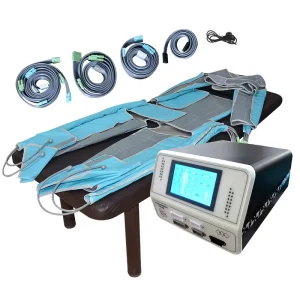
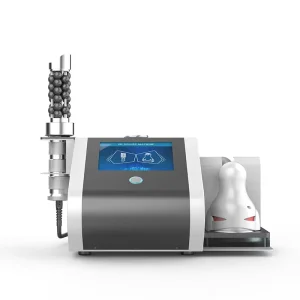
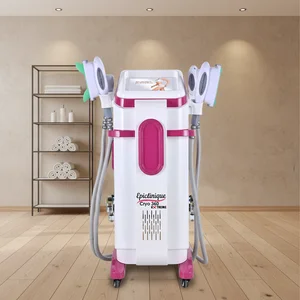
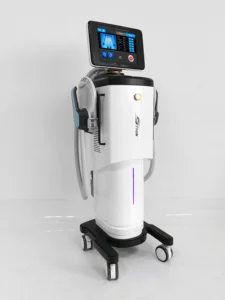
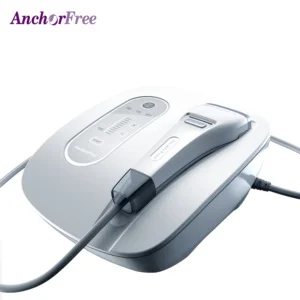
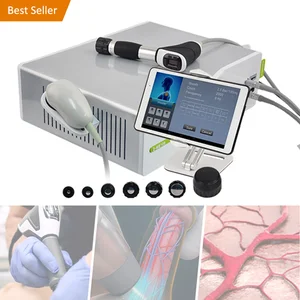
Physiotherapy, EMS, pressotherapy, and advanced fat reduction platforms
 Yiki Beauty