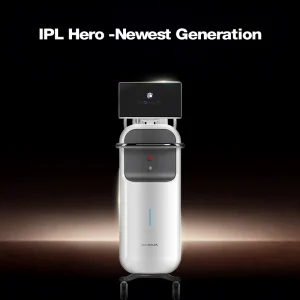
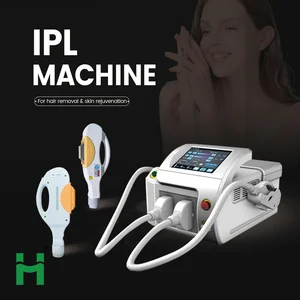
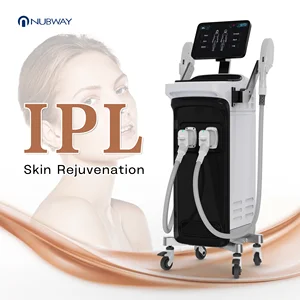
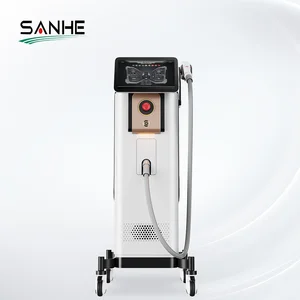
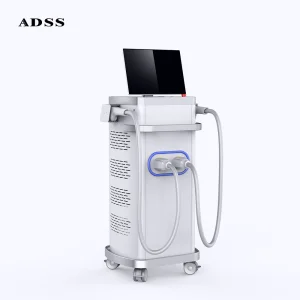
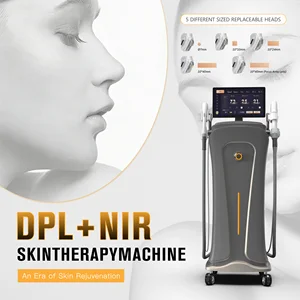
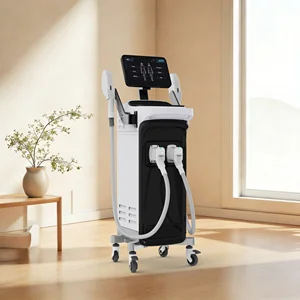
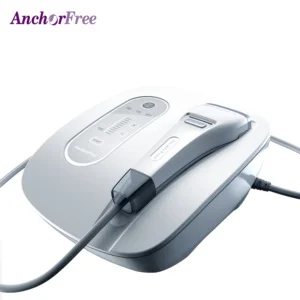
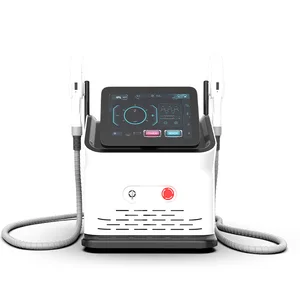
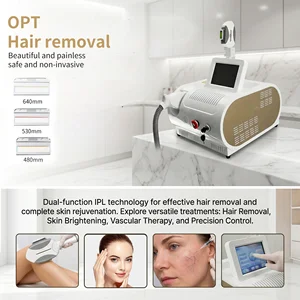
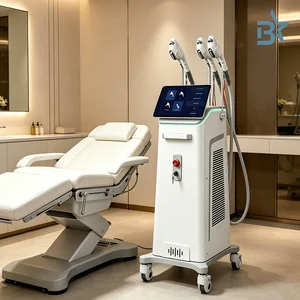
Clinical-grade IPL systems and home-use technologies engineered for optimal epidermal safety and high-fluence photo-rejuvenation across diverse skin types.
Analyzing the intersection of logistics, medical tourism, and regulatory frameworks driving IPL technology adoption.
Panama occupies a highly unique and strategically critical position in the Latin American aesthetic and medical device supply chain. Anchored by the Colon Free Zone (Zona Libre de Colón), the second-largest free port in the world, the country serves as the primary gateway for aesthetic medical technologies flowing from advanced manufacturing hubs in Shenzhen to distribution partners, medical spas, and dermatological clinics across the Caribbean, Central America, and the Andean region.
In recent years, Panama City has transformed into a regional hub for medical tourism and high-end cosmetic wellness. The proliferation of private medical facilities in areas such as Punta Pacífica and Costa del Este, coupled with a growing middle-to-high income demographic, has generated unprecedented local demand for non-invasive aesthetic treatments. Among these, Intense Pulsed Light (IPL), Dynamic Pulsed Light (DPL), and Near-Infrared (NIR) therapies are leading the market. The hot, tropical climate of Panama makes solar damage, hyperpigmentation, and premature aging a widespread aesthetic concern. Consequently, local dermatologists and beauty clinic chains are aggressively upgrading their equipment fleets with devices capable of treating solar lentigines, vascular lesions, and providing permanent hair removal safely on Fitzpatrick Skin Types III through VI, which dominate the local population.
"The demand for high-fluence, clinically stable IPL skin rejuvenation systems in Panama is growing at a CAGR of 11.4% (2024-2029). Importers are shifting away from low-cost, uncertified devices toward medical-grade platforms backed by FDA 510(k) or CE certifications to comply with increasingly stringent local healthcare inspectorships under MINSA (Ministry of Health)."
For international buyers and distributors operating in Panama, understanding the local compliance infrastructure is critical. All medical aesthetic systems imported into Panama for commercial clinical use must undergo evaluation by MINSA's Medical Devices Department (Dirección de Dispositivos Médicos). Distributors utilizing Panama as a re-export hub via the Colon Free Zone can benefit from exemptions on import duties for goods in transit, enabling them to run highly agile, localized inventory nodes that can supply neighboring markets like Colombia, Costa Rica, and Ecuador within 48 to 72 hours.
Engineered with multi-stage filter systems and advanced cooling interfaces to ensure painless clinical treatments.
Evaluating the physical principles and biological interactions that maximize clinical efficacy and minimize adverse side effects.
In the highly competitive medical aesthetic industry of Latin America, clinical outcomes dictate brand reputation and investment yield. Understanding the distinction between basic Intense Pulsed Light (IPL), Dynamic Pulsed Light (DPL), and Near-Infrared (NIR) technologies is critical for importers selecting their product lineup:
Traditional IPL (Broadband Light): Emitting a wide range of wavelengths (typically 400nm to 1200nm), standard IPL targets melanin and hemoglobin through selective photothermolysis. While highly effective for general photo-rejuvenation and coarse hair removal, standard IPL requires careful pulse width management to prevent thermal damage to the epidermis, especially on darker, sun-exposed skin types common in Panama.
DPL (Dynamic Pulsed Light / Narrow Spectrum): Representing the next-generation of light-based therapy, DPL narrows the spectral output to a precise band (e.g., 500nm–600nm or 550nm–650nm). This high-density light energy targets pigment and micro-vascular structures with laser-like specificity. The clinical advantage is significant: higher clearance rates of stubborn pigmentation and telangiectasia in fewer sessions, with significantly reduced thermal stress on the surrounding healthy tissue.
Filters unwanted wavelengths to deliver targeted thermal energy to chromophores, resulting in higher treatment safety and speed.
Thermoelectric cooling modules maintain sapphire contact tip temperatures between -5°C and 0°C, protecting the epidermis during high-fluence delivery.
Ultra-short pulse durations allow clinical operators to target micro-vessels and fine pigmentation without inducing post-inflammatory hyperpigmentation (PIH).
Maintains absolute pulse stability across consecutive discharges, avoiding power drops during prolonged, high-frequency SHR clinical sessions.
NIR (Near-Infrared Skin Tightening): Utilizing a high-power light source in the near-infrared spectrum (900nm–1800nm), NIR safely heats the water molecules within the deep dermis. This controlled thermal stress induces immediate collagen contraction and stimulates neocollagenesis. The result is a non-invasive "lifting" effect, highly sought-after by patients in Panama City who want skin tightening without the downtime associated with invasive procedures.
Engineered for precise pigment reduction, vascular therapy, and structural skin remodeling.
Explore our highly regulated assembly lines and advanced testing procedures that guarantee global B2B performance.
Shenzhen Yiki Beauty Co., Ltd. is a leading professional enterprise integrating R&D, design, manufacturing, and global sales of advanced aesthetic and medical beauty equipment. Our engineering team has decades of collective experience in industrial appearance design, electronic system development, software programming, and mechanical assembly. We provide a true one-stop solution for distributors in Panama and globally, minimizing the complexities of product development, supply chain tracking, and custom private label branding.
Operating under strict ISO 13485 quality management systems, our state-of-the-art production facility ensures that every IPL, DPL, and laser platform undergoes rigorous testing before shipment. From the selection of high-grade German Heraeus Xenon lamps to the integration of medical-grade sapphire crystal guides and dual-pump water cooling loops, we guarantee clinical efficacy, stable energy discharge, and equipment longevity. Below is an inside look at our manufacturing and quality assurance workflows:
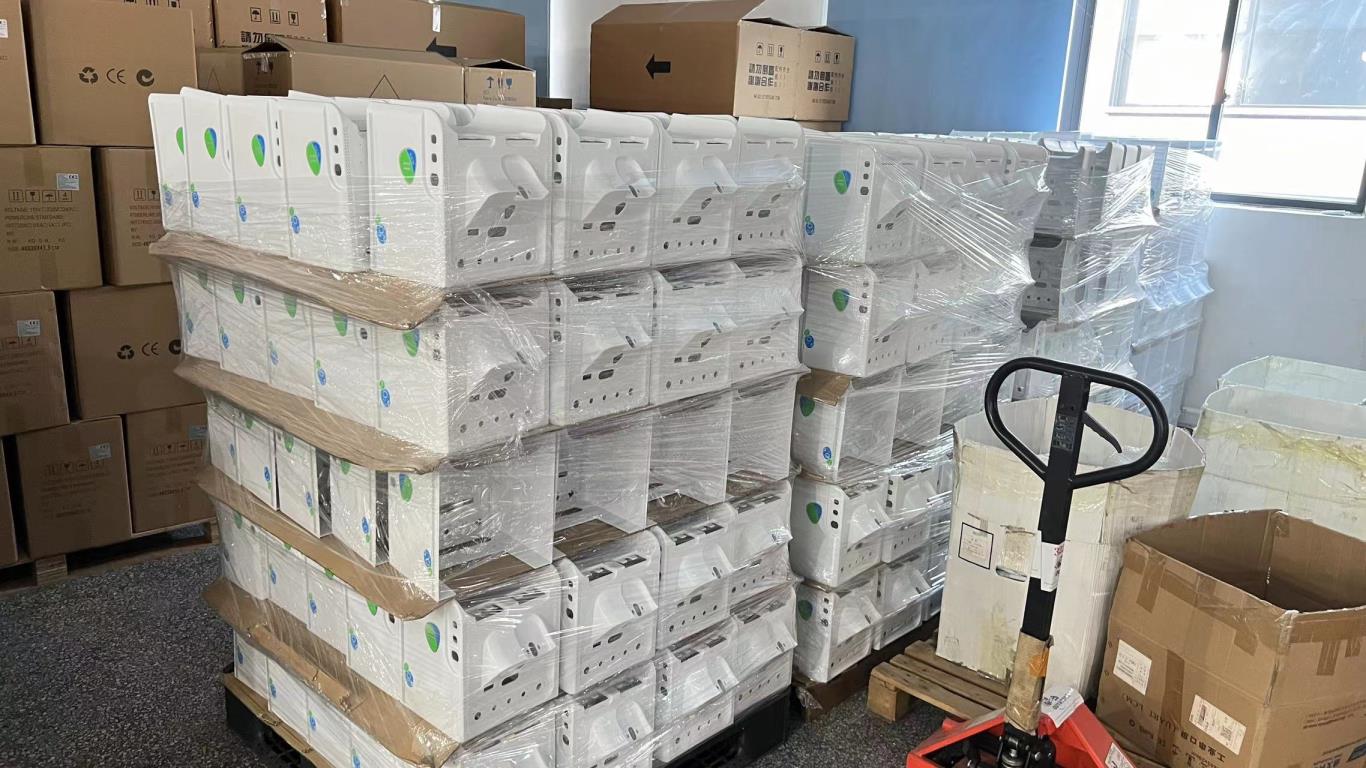
Raw Material Inspection
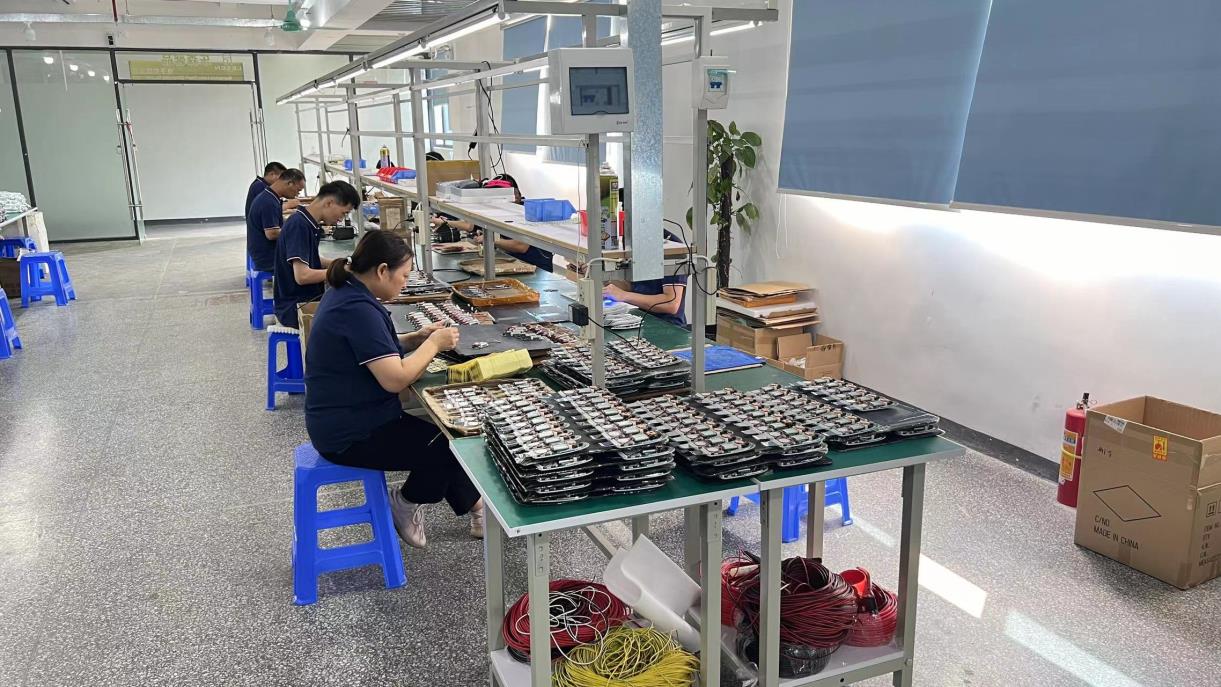
Electronic Assembly Line
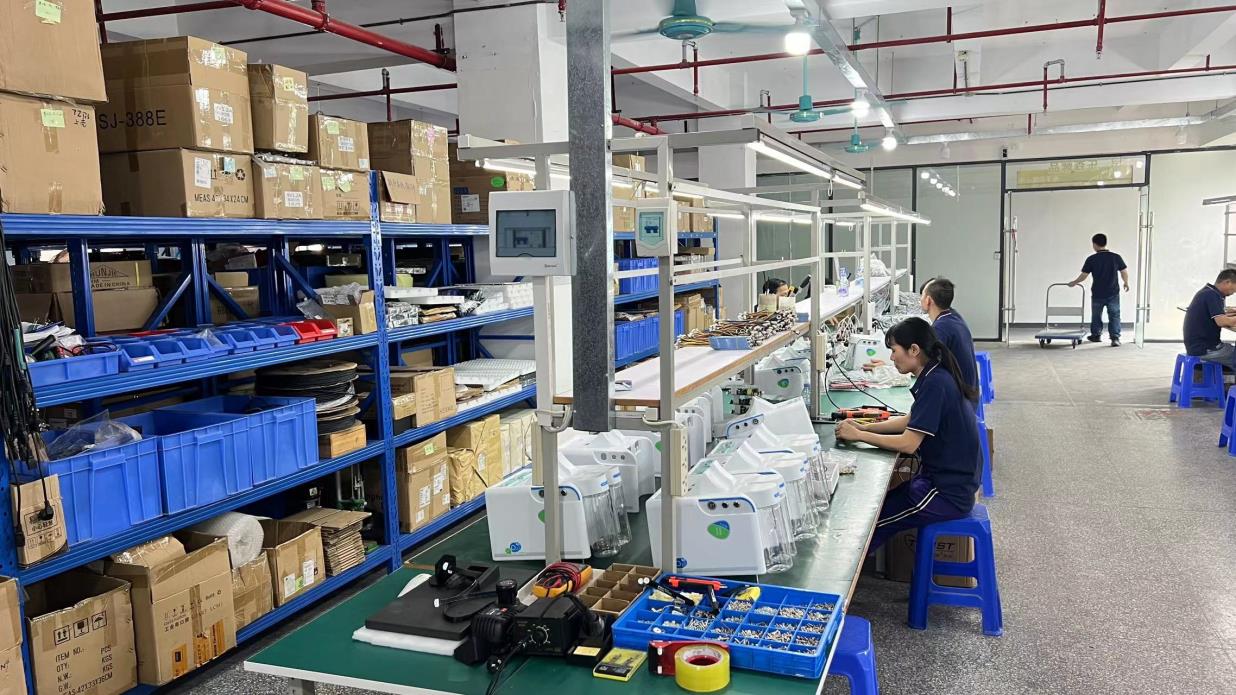
Optoelectronic Integration
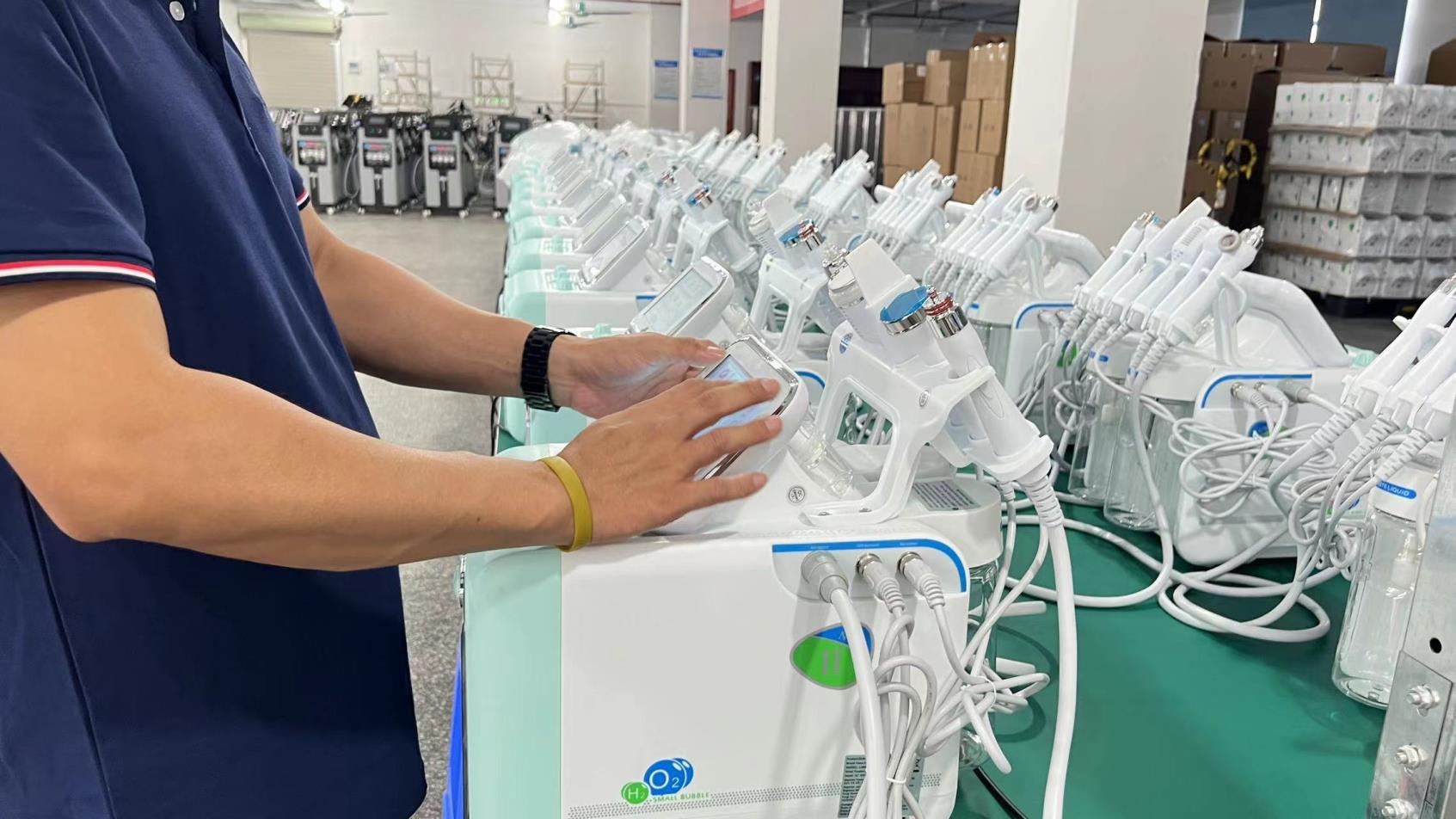
Functional Calibration
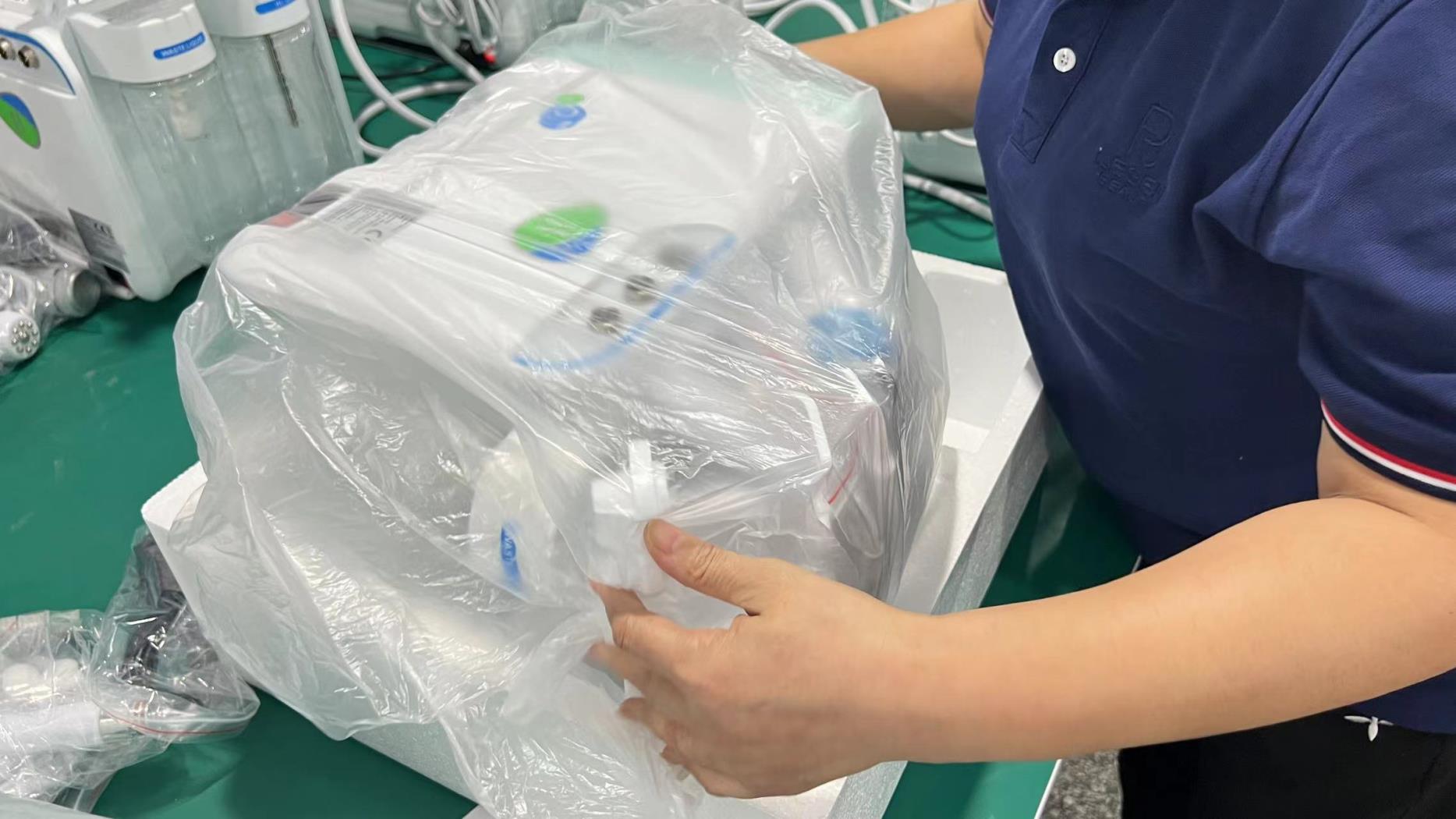
Dust-free Packaging
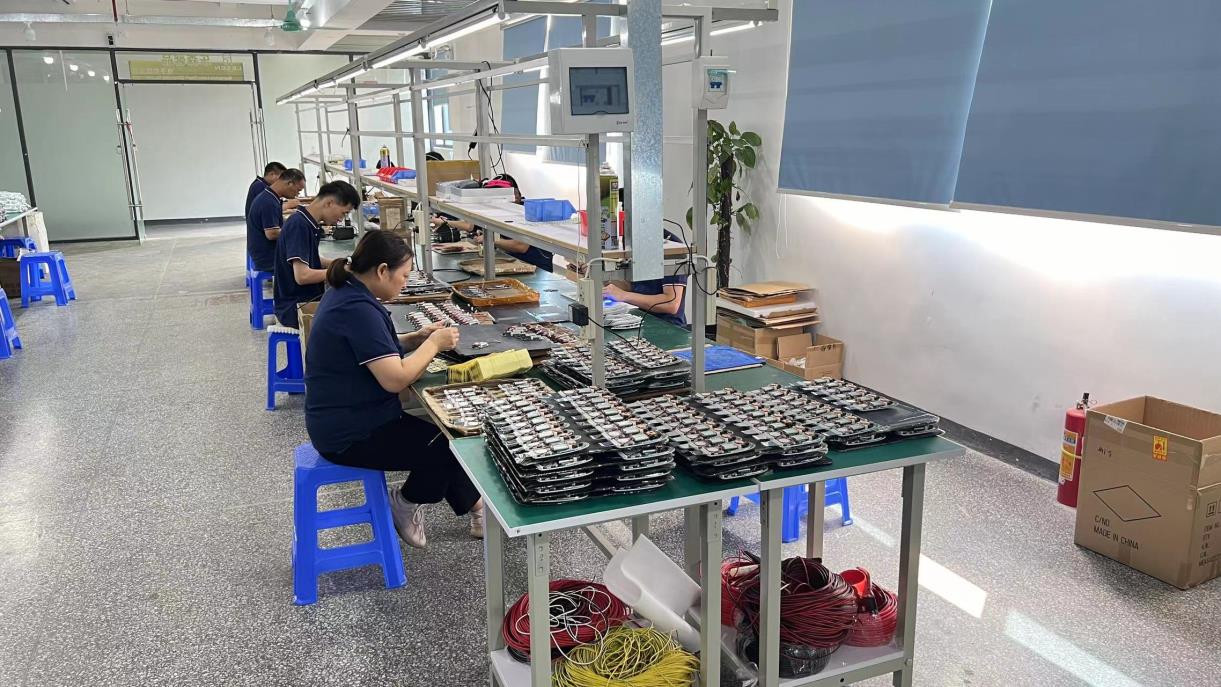
Main Assembly Line
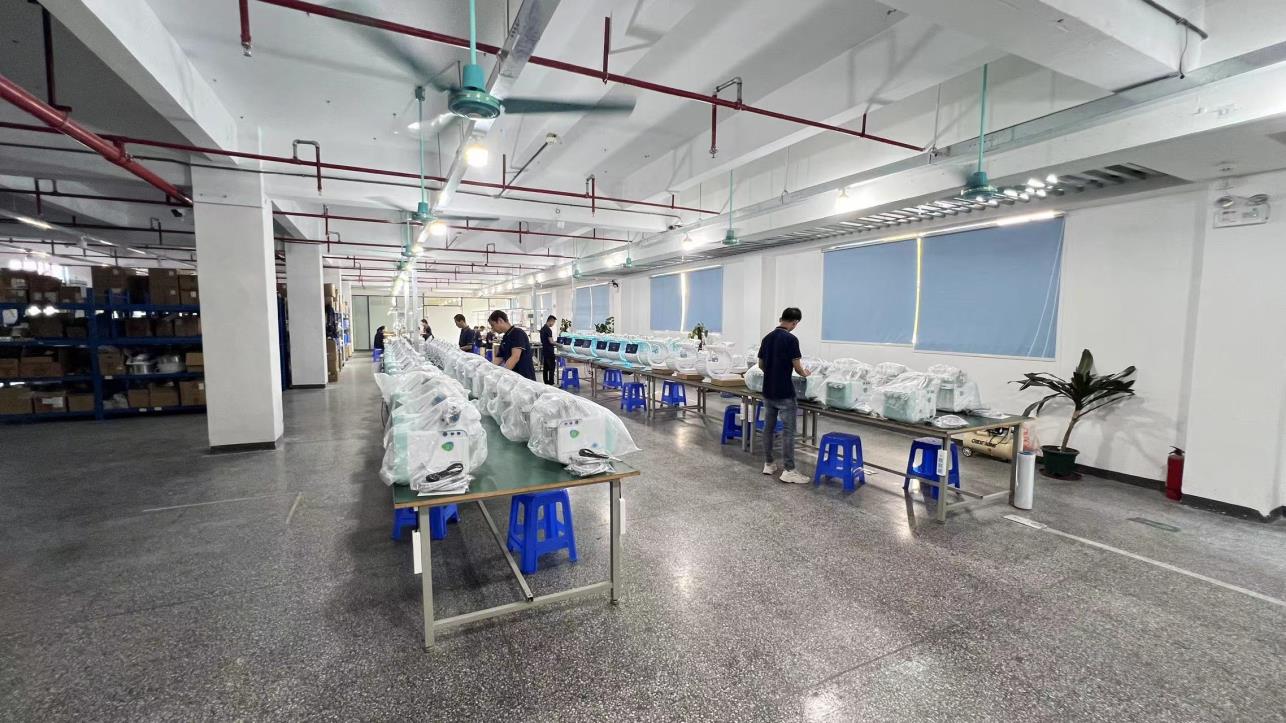
Aging Test Bay
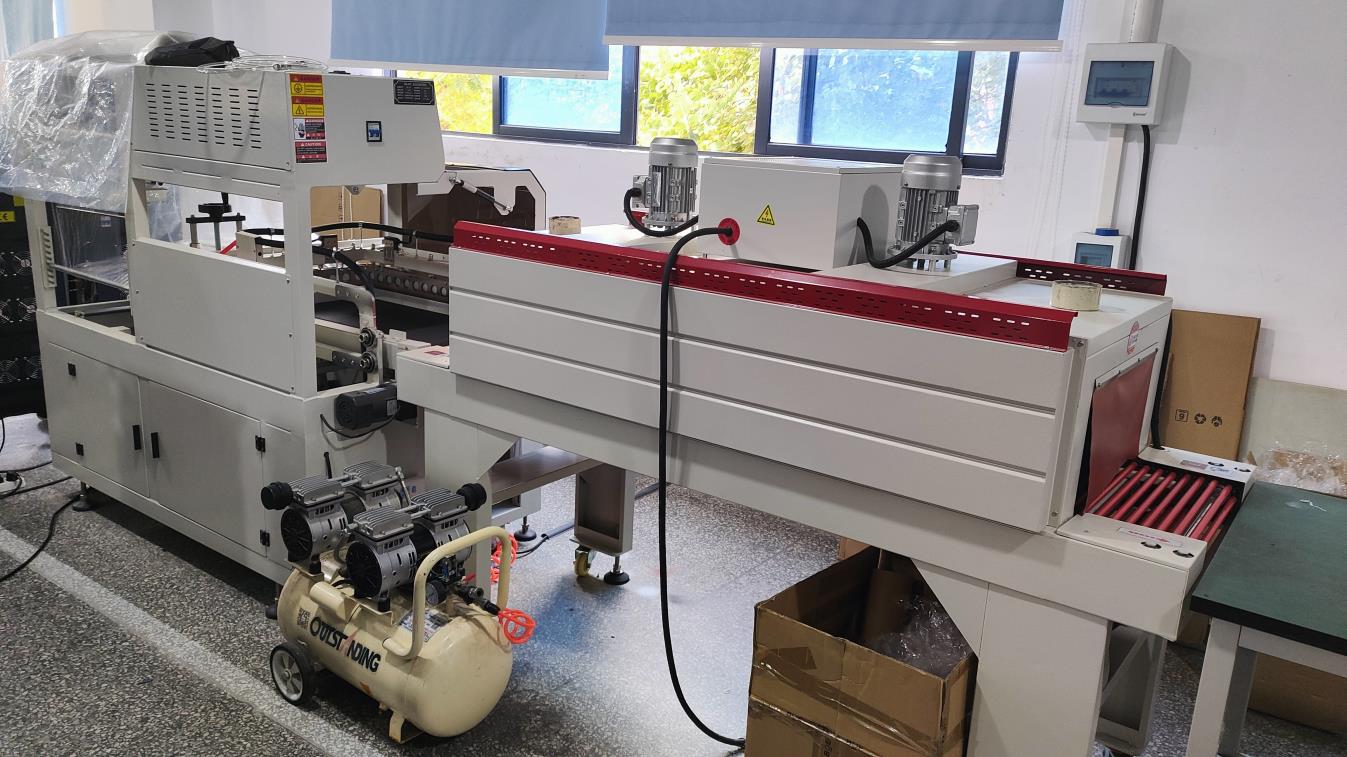
Shrink Wrap Line
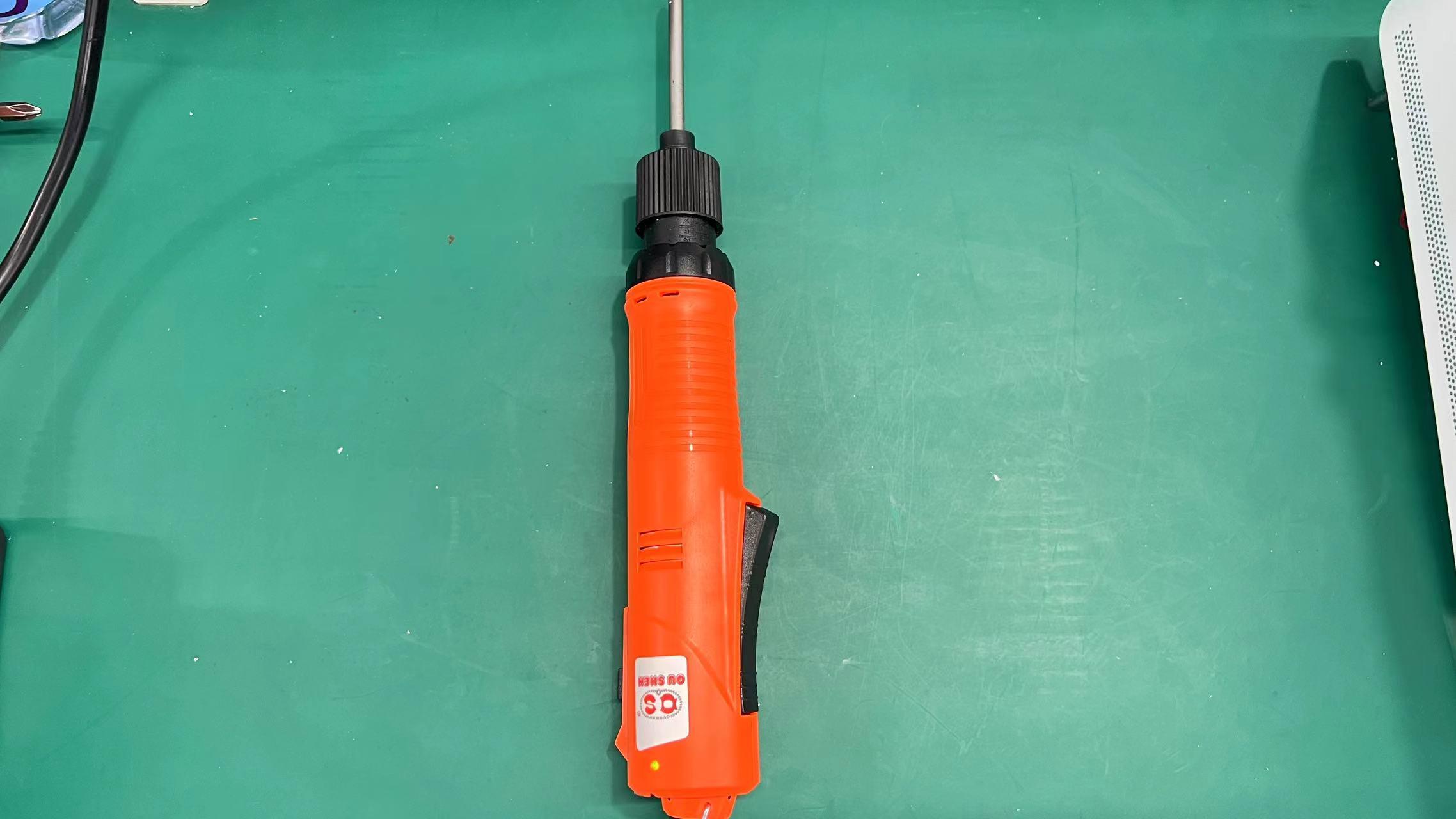
Calibration Tooling
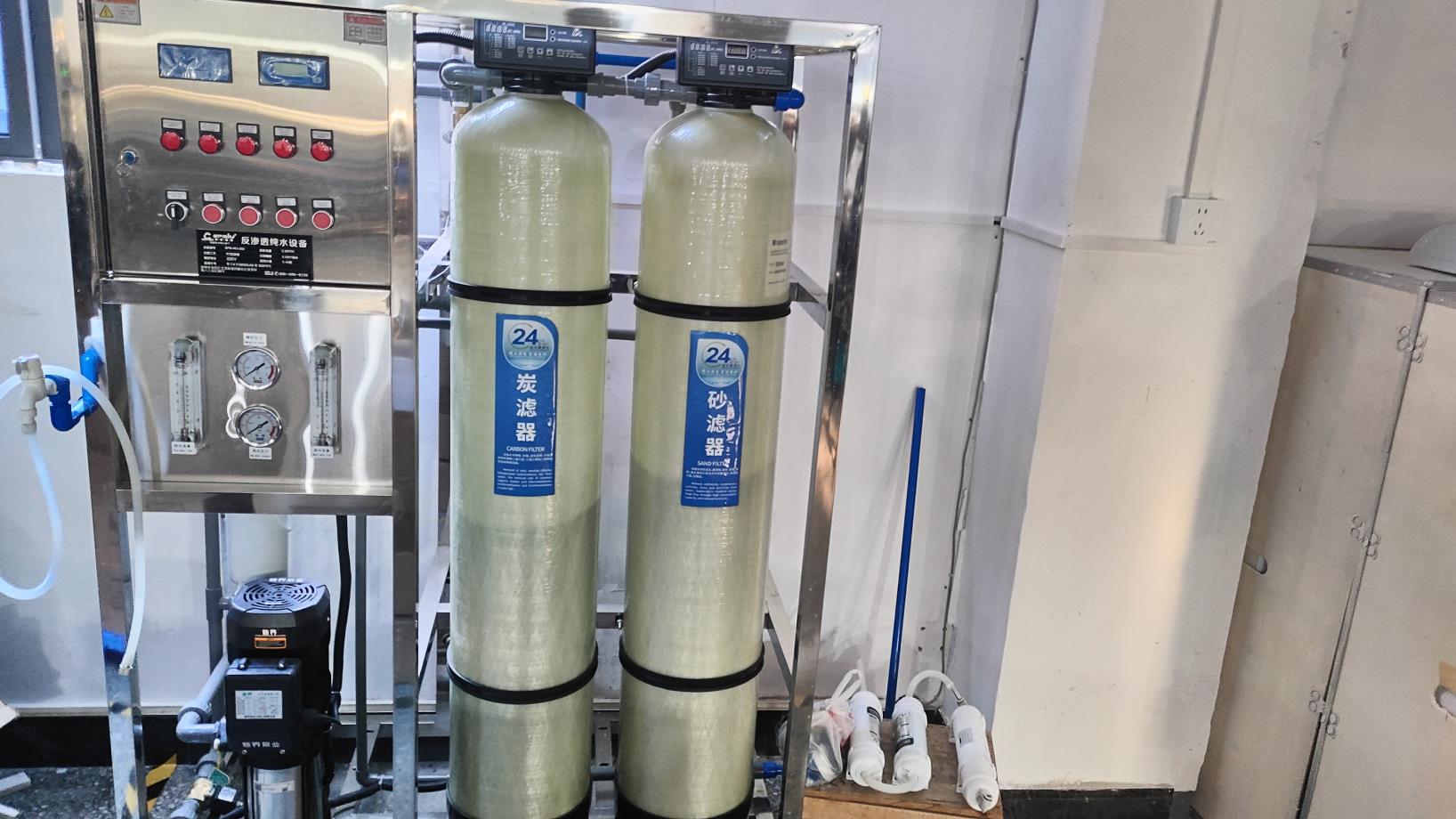
Water Filtration Lab
Our comprehensive supply chain infrastructure supports full OEM/ODM capabilities, enabling custom color matching, physical chassis design, multi-language GUI localization (Spanish, Portuguese, French, and English), and specific power regulation options designed for Central and South American grids (stable 110V/60Hz output configurations).
Optimized systems that combine high efficiency, clinical versatility, and portable ergonomics for modern aesthetic practices.
A practical guide to customs clearance, MINSA sanitary registrations, and utilizing the Colon Free Zone.
Exporting complex medical aesthetic devices like professional IPL machines to Panama requires rigorous adherence to local regulatory pathways and logistics workflows. The primary regulatory authority is the Ministry of Health of Panama (Ministerio de Salud - MINSA), which oversees the import, distribution, and commercial use of all biomedical, laser, and intense pulsed light technologies.
To successfully import IPL and DPL machines into Panama, distributors must secure a Sanitary Registry (Registro Sanitario). The registration dossier must include:
1. ISO 13485 Certificate of the manufacturer.
2. Free Sale Certificate (FSC) from the country of origin.
3. CE (Declaration of Conformity) or FDA 510(k) approval documentation.
4. Full technical product specification documentation in Spanish.
5. Clinical test reports demonstrating safe application on human skin.
By partnering with an experienced OEM/ODM manufacturer like Shenzhen Yiki Beauty Co., Ltd., Panama importers receive complete documentation packages, including electrical safety reports (EN 60601-1) and electromagnetic compatibility certificates (EN 60601-1-2). This significantly speeds up the local MINSA evaluation process, reducing time-to-market from the typical nine months down to just 90-120 days.
For regional distribution across Central and South America, importing through the Colon Free Zone (CFZ) is highly advantageous. Equipment can be imported duty-free, stored in modern logistics warehouses, and consolidated with other aesthetic consumables. When an order is placed by a clinic in Costa Rica, Colombia, or Peru, the goods can be dispatched from the CFZ immediately, bypassing the long transit times of direct international shipping and avoiding Panama's domestic sales taxes (ITBMS).
Understanding the integration of AI, IoT telemetry, and multi-wavelength laser technologies in the next generation of devices.
The global aesthetic device industry is evolving rapidly, driven by demand for shorter treatment times, higher safety profiles, and integrated clinic management features. Over the next five years, the development of IPL and photorejuvenation platforms will focus on several key pillars:
1. AI-Powered Skin Analysis & Parameter Calibration: Future workstations will integrate high-resolution optical sensors and machine learning algorithms directly into the handpiece. By scanning the patient's skin type, hydration levels, and melanin index, the system will automatically calculate the optimal pulse width, energy density, and cooling levels, virtually eliminating human error and minimizing the risk of epidermal burns.
2. IoT Telemetry & Preventive Maintenance: High-end clinical networks require 100% uptime. Next-generation IPL platforms will feature Wi-Fi and 5G connectivity to upload system telemetry, energy stability profiles, and lamp shot counts to a cloud-based server. Manufacturers can monitor machine performance in real-time, sending automated replacement alerts for handpieces or filters before a system experiences unscheduled downtime.
3. Multi-Wavelength Hybrid Handpieces: The boundary between IPL and solid-state lasers is blurring. The integration of narrow-spectrum DPL filters with diode laser arrays within a single handpiece will allow clinical operators to treat complex, multi-layered dermatological conditions (e.g., deep melasma coexisting with fine surface telangiectasia) in a single session, maximizing clinic ROI.
Get authoritative answers on clinical specs, shipping logistics, customs, and OEM/ODM personalization options.
Partner with a leading OEM/ODM medical-grade beauty equipment manufacturer. Get direct factory pricing, certified equipment quality, and comprehensive logistical support for the Panama market.
Send Inquiry Now Yiki Beauty