Analyzing the paradigm shift in non-invasive skin remodeling from mechanical abrasion to precision wave-induced dermal cavitation.
In the contemporary global skincare market, consumers and clinical experts are increasingly moving away from harsh chemical exfoliants and coarse mechanical scrubs. Instead, they are turning towards high-precision, non-invasive biophysical modalities that deliver predictable, repeatable, and trauma-free results. The Ultrasonic Skin Scrubber (often referred to within clinical dermatology circles as an ultrasonic skin spatula) has emerged as an indispensable cornerstone of both premium medical-spa facilities and home-use beauty routines. Using piezoelectric ceramics, these devices generate micro-vibrations between 24,000Hz and 28,000Hz (24kHz to 28kHz), driving liquid medium atomization to facilitate deep follicular cleansing, desquamation of devitalized keratinocytes, and targeted transdermal active delivery.
The latest generation of clinical and home-care ultrasonic scrubbers combines high-frequency mechanical waves with secondary modalities such as Microcurrent EMS (Electrical Muscle Stimulation), Galvanic Ionophoresis (+/- Ions), and low-level light therapy (Red/Blue LED). This synergy maximizes treatment efficacy and optimizes time-in-booth for beauty clinics.
According to medical device market analysis, the global demand for ultrasonic skin spatulas is experiencing a compound annual growth rate (CAGR) of over 7.8% from 2024 to 2030. Key drivers include the rapid expansion of aesthetic clinics in the Asia-Pacific region, rising consumer awareness of skin barrier integrity in North America and Western Europe, and a growing B2B demand for customizable OEM/ODM form-factors that support private label branding. For premium distributors, understanding these micro-technical specifications and selecting a qualified, audit-compliant manufacturer is no longer just a purchasing decision; it is a critical competitive advantage.
At the center of any high-performance ultrasonic scrubber is the transducer element, typically fabricated from lead zirconate titanate (PZT) ceramic formulations. When alternating high-frequency electrical voltage is applied to the transducer, it contracts and expands axially. This mechanical energy is transmitted directly to a hand-finished stainless steel blade (commonly surgical-grade SUS304 or titanium-coated SUS316). When this oscillating blade contacts a liquid film applied to the skin (such as physiological saline, purified water, or enzyme-rich desincrustation gels), it triggers a biophysical phenomenon known as acoustic cavitation. High-velocity micro-jets and sudden micro-bubbles form and collapse within the liquid, lifting debris, oxidized sebum, comedones, and environmental pollutants directly out of the pilosebaceous units without inflicting micro-tears or disrupting the acid mantle.
Decoding the core variables that separate high-yield clinical systems from low-cost consumer commodities.
B2B procurement professionals representing medical spas, distributor networks, or established cosmetic brands face a highly saturated supplier landscape. A frequent challenge is distinguishing between low-cost personal-use devices and high-durability, clinically viable devices capable of surviving continuous back-to-back treatment room duty cycles. When negotiating with an ultrasonic skin scrubber factory, procurement specialists must evaluate critical hardware parameters:
Inferior factories construct transducers using low-grade epoxies that degrade under thermal stress, leading to frequency drops. Premium systems maintain stable resonance even during extended operation.
Li-ion batteries must carry MSDS, UN38.3, and UL certifications. Poor quality controls risk cell swelling, charge loss, and fire hazards in medical-spa cabinets.
Nickel-rich alloys frequently trigger contact dermatitis. Sourcing factories must commit to SUS304/316 medical-grade stainless steel with option for anti-microbial coatings.
Beyond hardware component specifications, global logistics, tariff classification, and local custom compliance constitute the secondary tier of procurement headaches. Working with an ISO 13485-certified medical device OEM/ODM allows brands to circumvent complex regulatory reviews. An experienced factory supplier provides complete technical documentation files (DMF), clinical trials summaries, and factory testing records, ensuring smooth import customs clearances in key regions like North America (FDA registrations), Europe (MDR CE), and Australia (TGA approval).
A leading OEM/ODM aesthetic powerhouse delivering advanced engineered systems to global markets.
Shenzhen Yiki Beauty Co., Ltd. is a professional enterprise integrating R&D, design, manufacturing, and global sales of advanced aesthetic and beauty equipment. Built by a team of experienced technical engineers and product designers, the company boasts fully in-house capabilities ranging from industrial appearance design and electronic system development to assembly, testing, and packaging. Yiki Beauty is committed to providing a true one-stop solution for global customers, helping partners reduce complexity in product development, production, and branding. By combining innovative engineering with practical clinical and salon applications, the company continuously delivers safe, effective, and market-oriented beauty devices.
With a strong focus on quality control and technological innovation, Shenzhen Yiki Beauty Co., Ltd. supports OEM and ODM services, as well as private label branding. The company adheres to strict international quality standards and strives to build long-term partnerships with distributors, clinics, salons, and beauty chains worldwide.
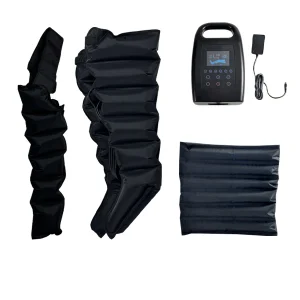
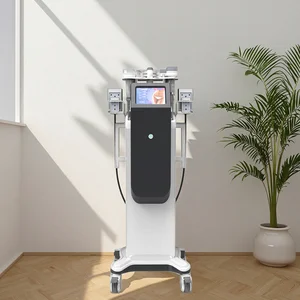
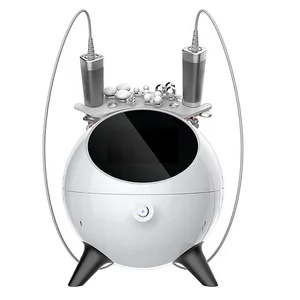
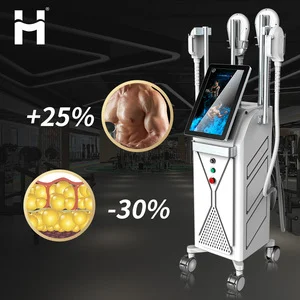
Our comprehensive product portfolio covers a wide range of advanced aesthetic technologies, including: HI-EMT body contouring machines, laser hair removal systems, Vela body shaping devices, shockwave therapy machines, TECAR therapy equipment, air pressure lymphatic drainage systems, 4D HIFU ultrasound machines, tattoo removal lasers, hydra dermabrasion systems, plasma pens, and various home-use beauty devices. Currently, Yiki Beauty exports to more than 15 major markets, including the United States, Germany, Australia, Canada, Italy, France, the United Kingdom, Spain, Russia, the Netherlands, Switzerland, Ukraine, Poland, Turkey, and Belgium, while continuously expanding its global footprint in emerging markets.

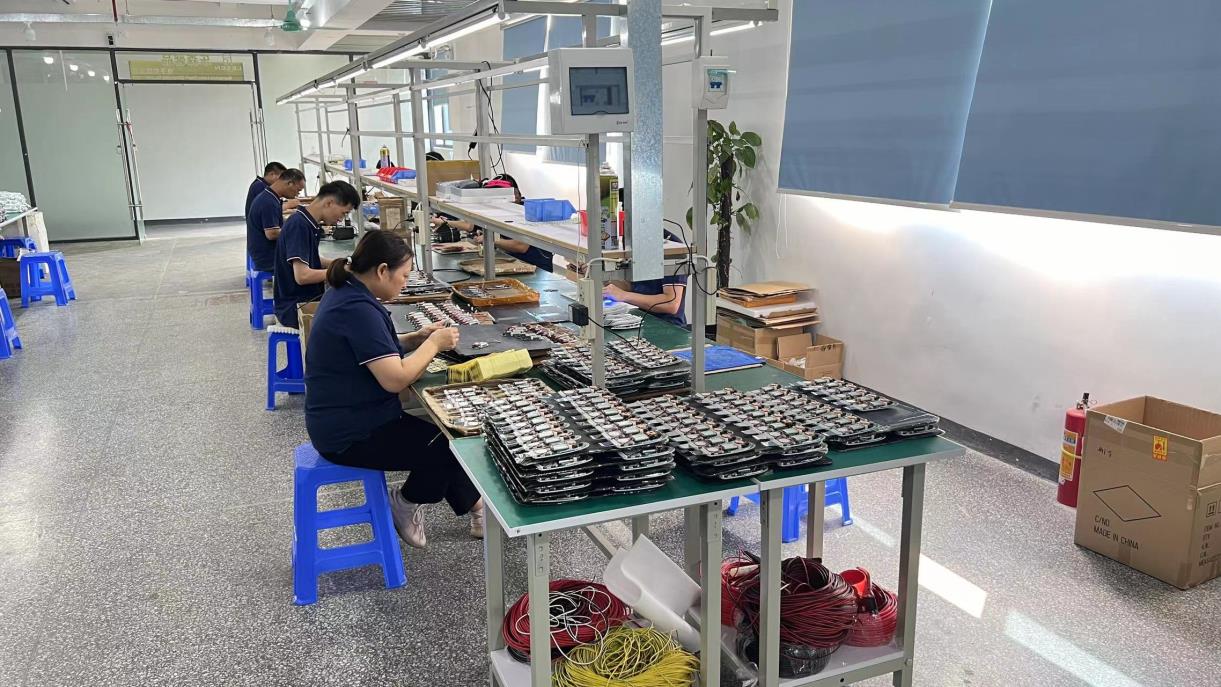
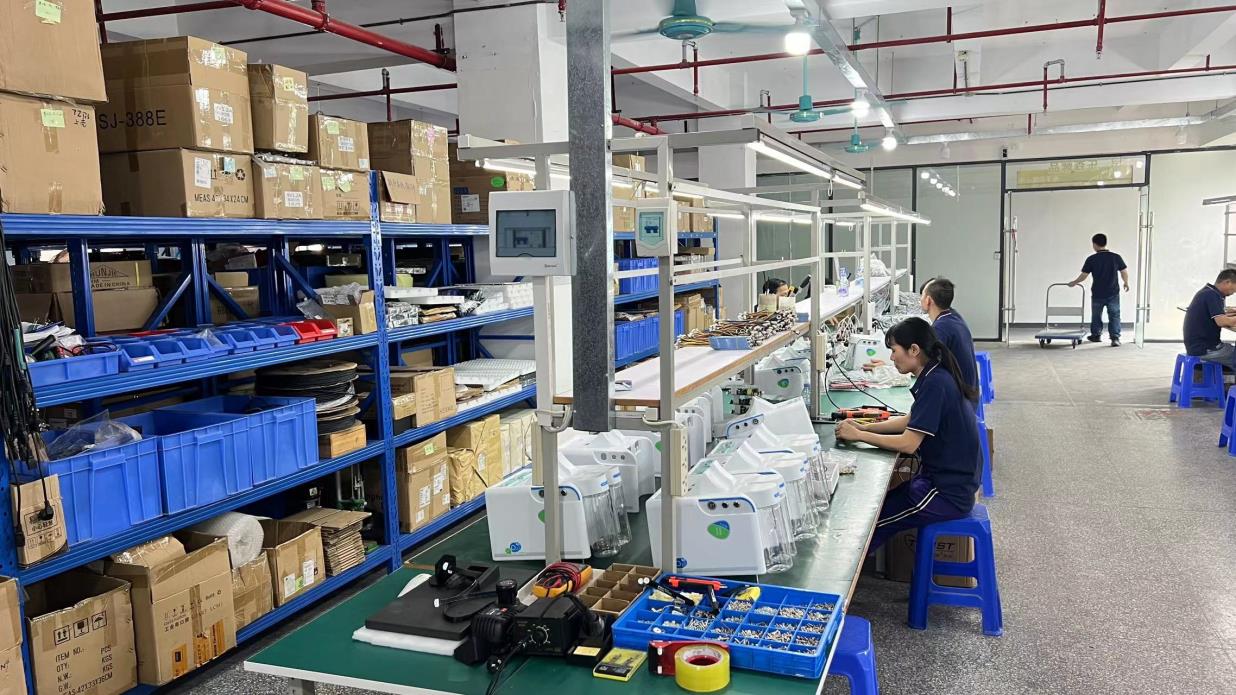
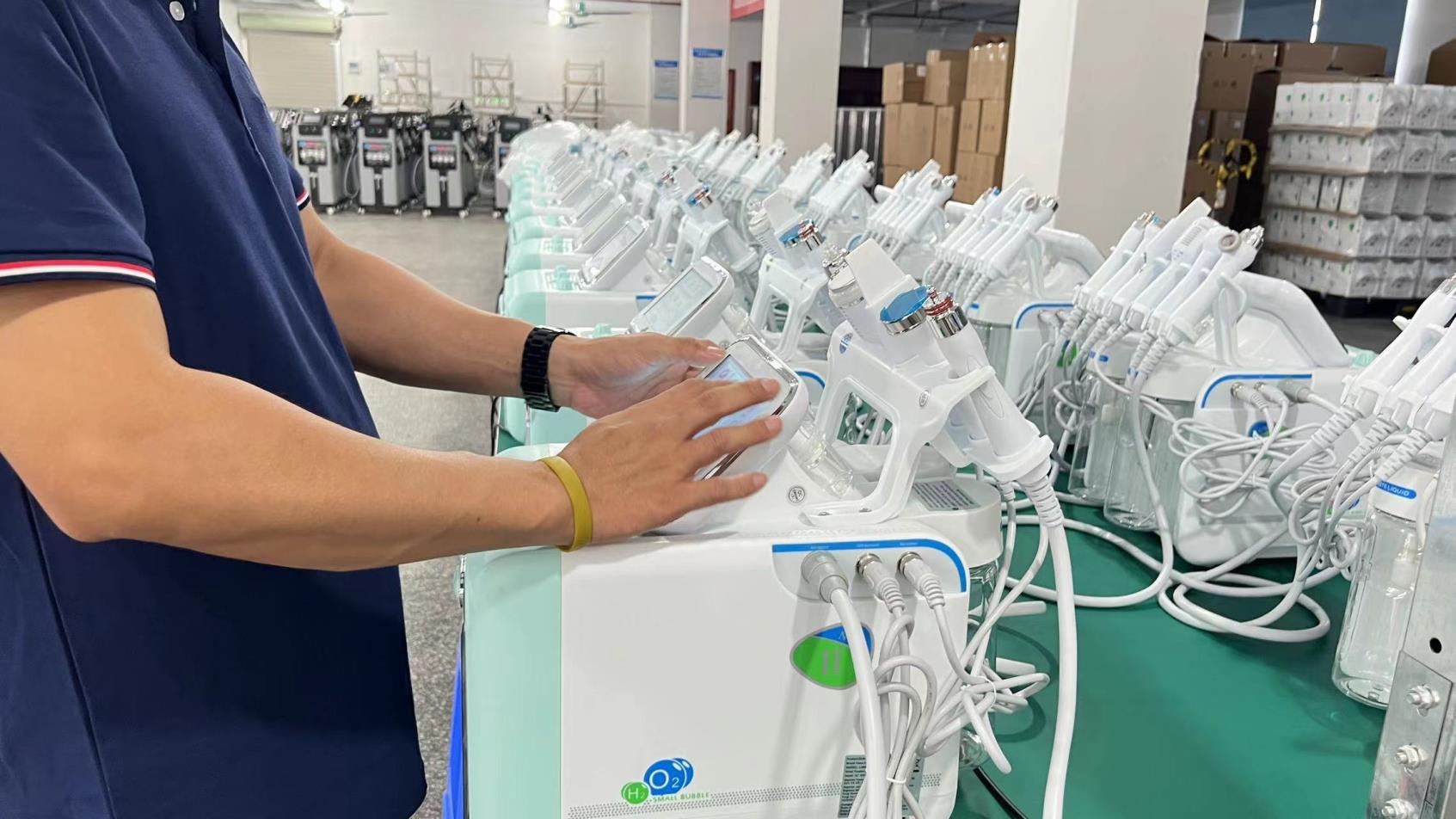
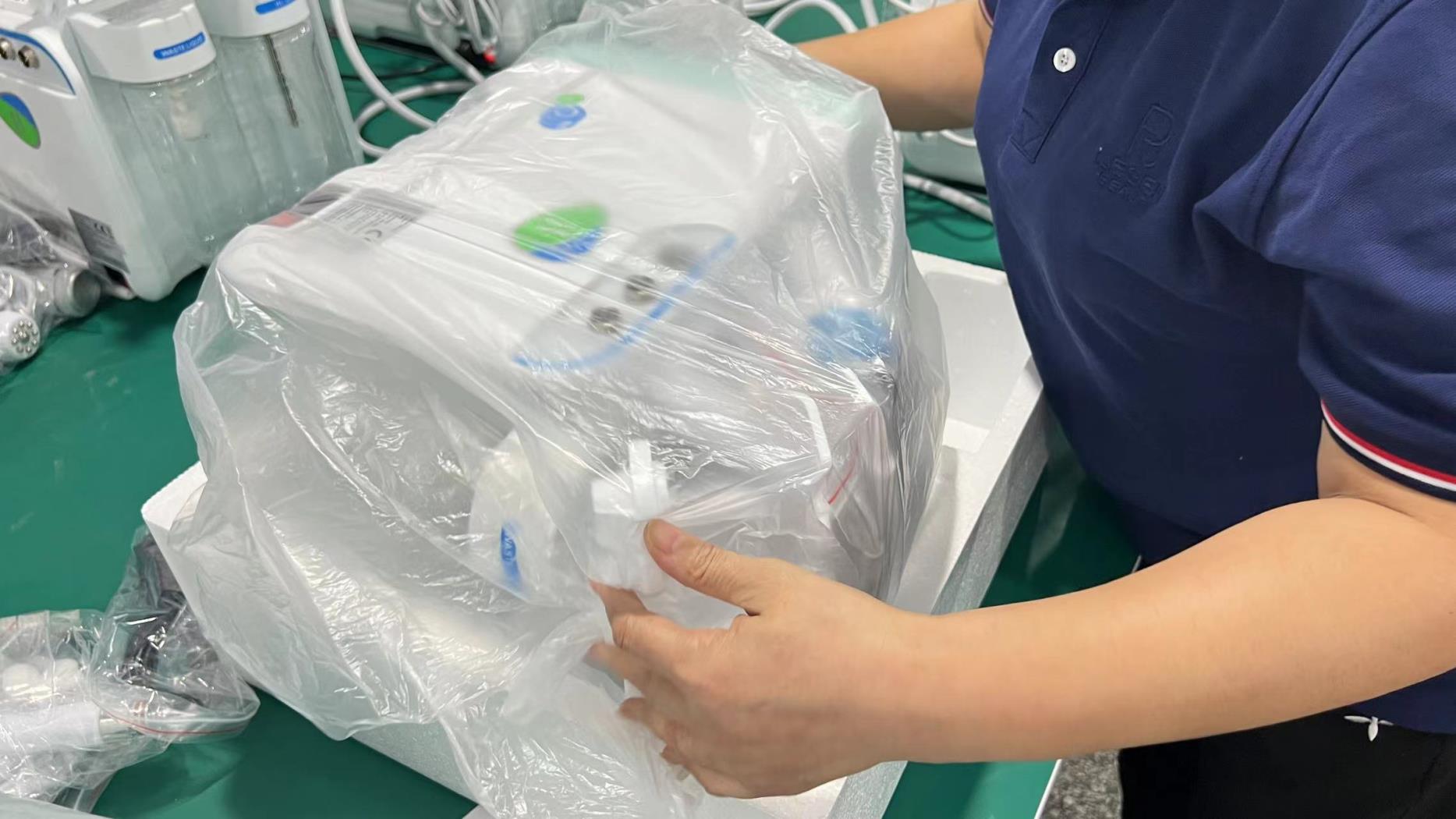
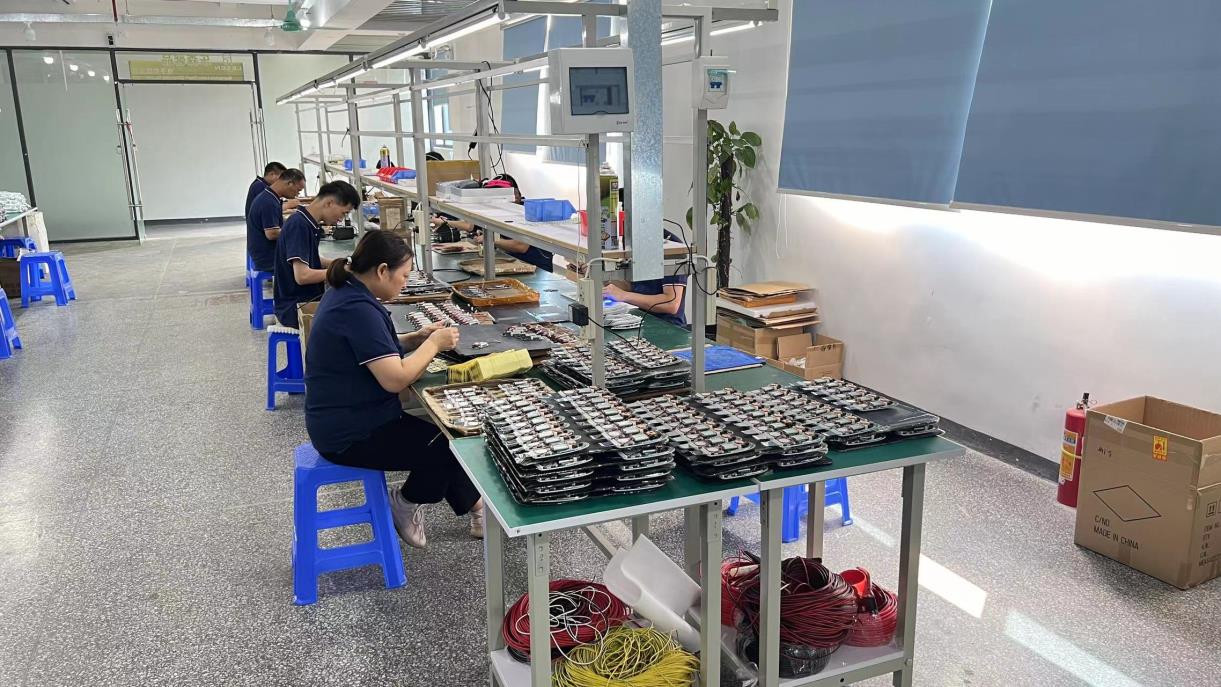
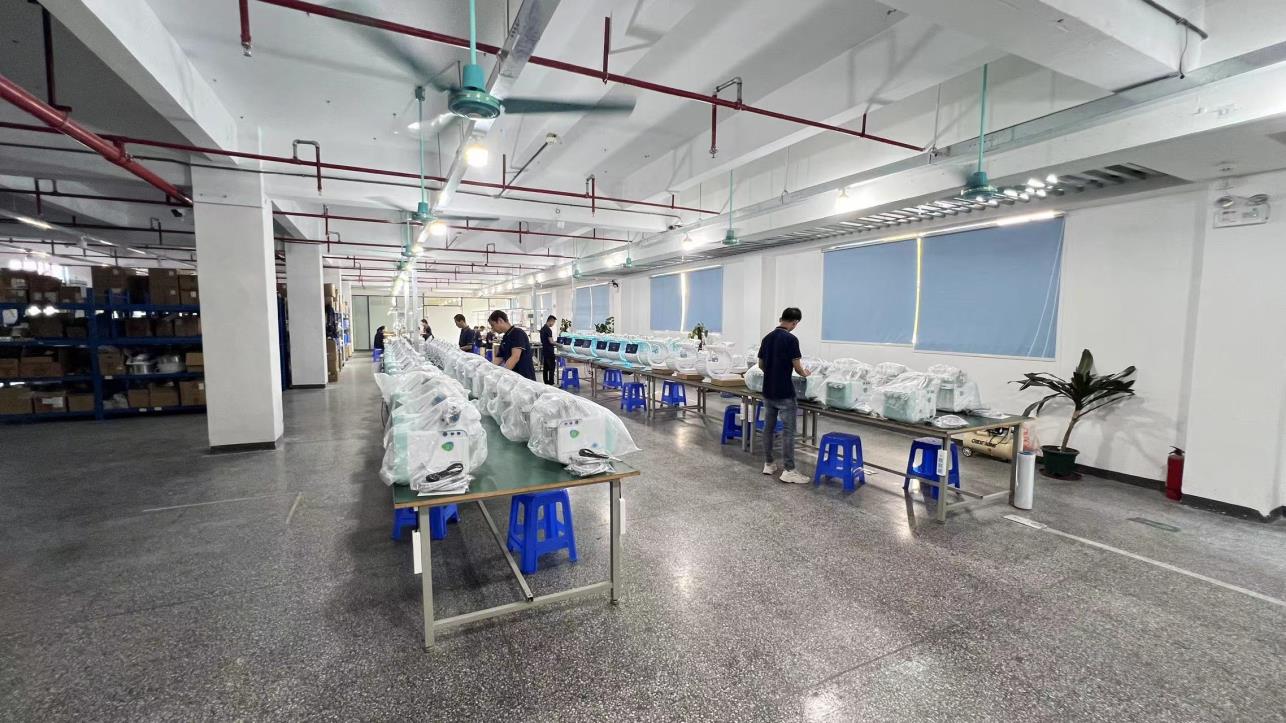
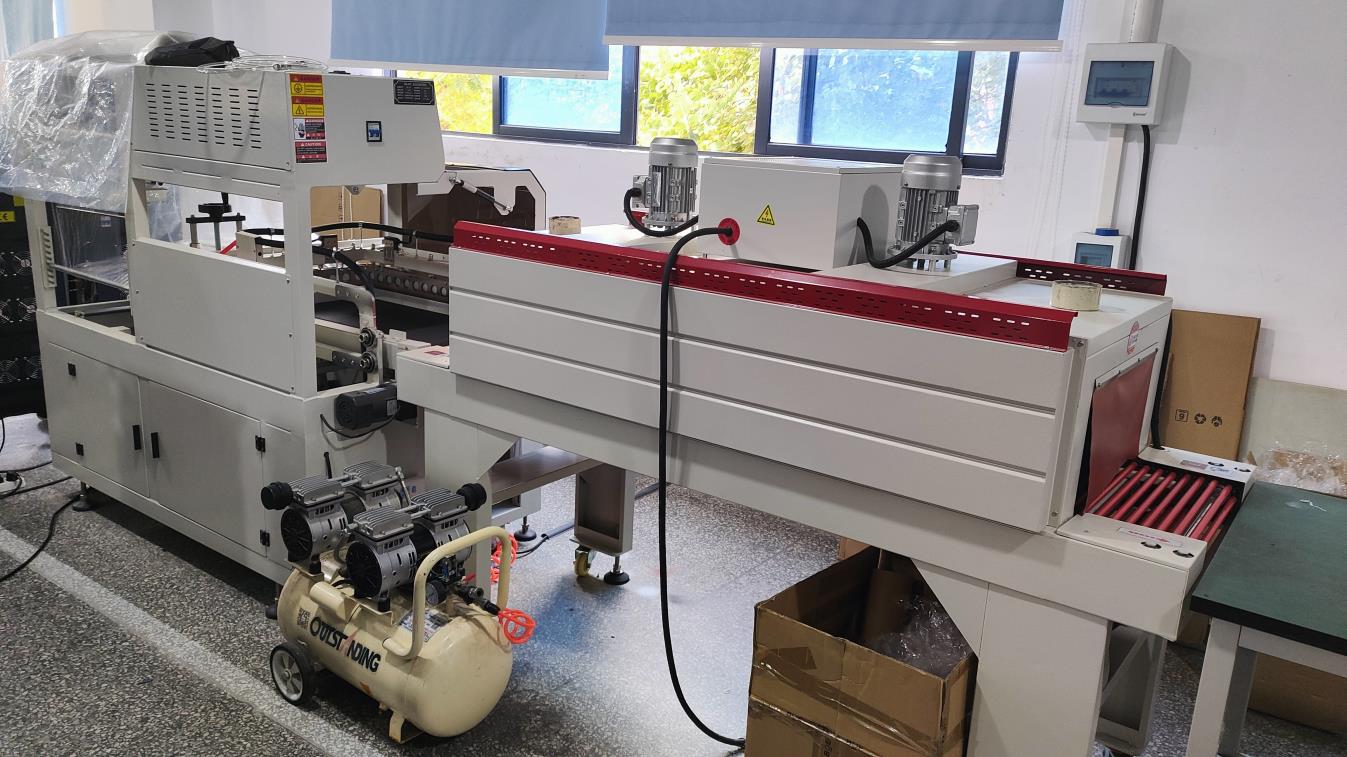
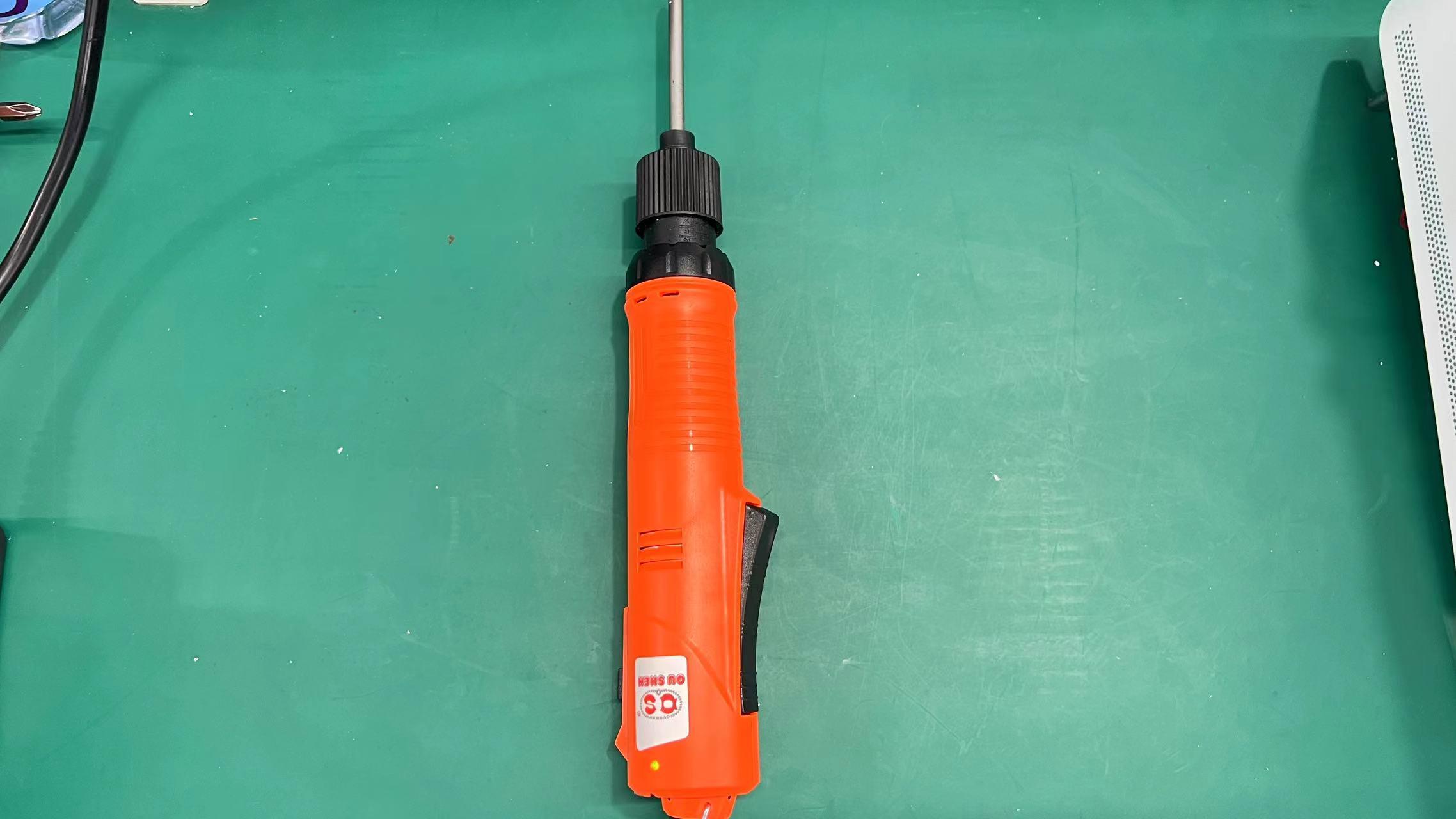
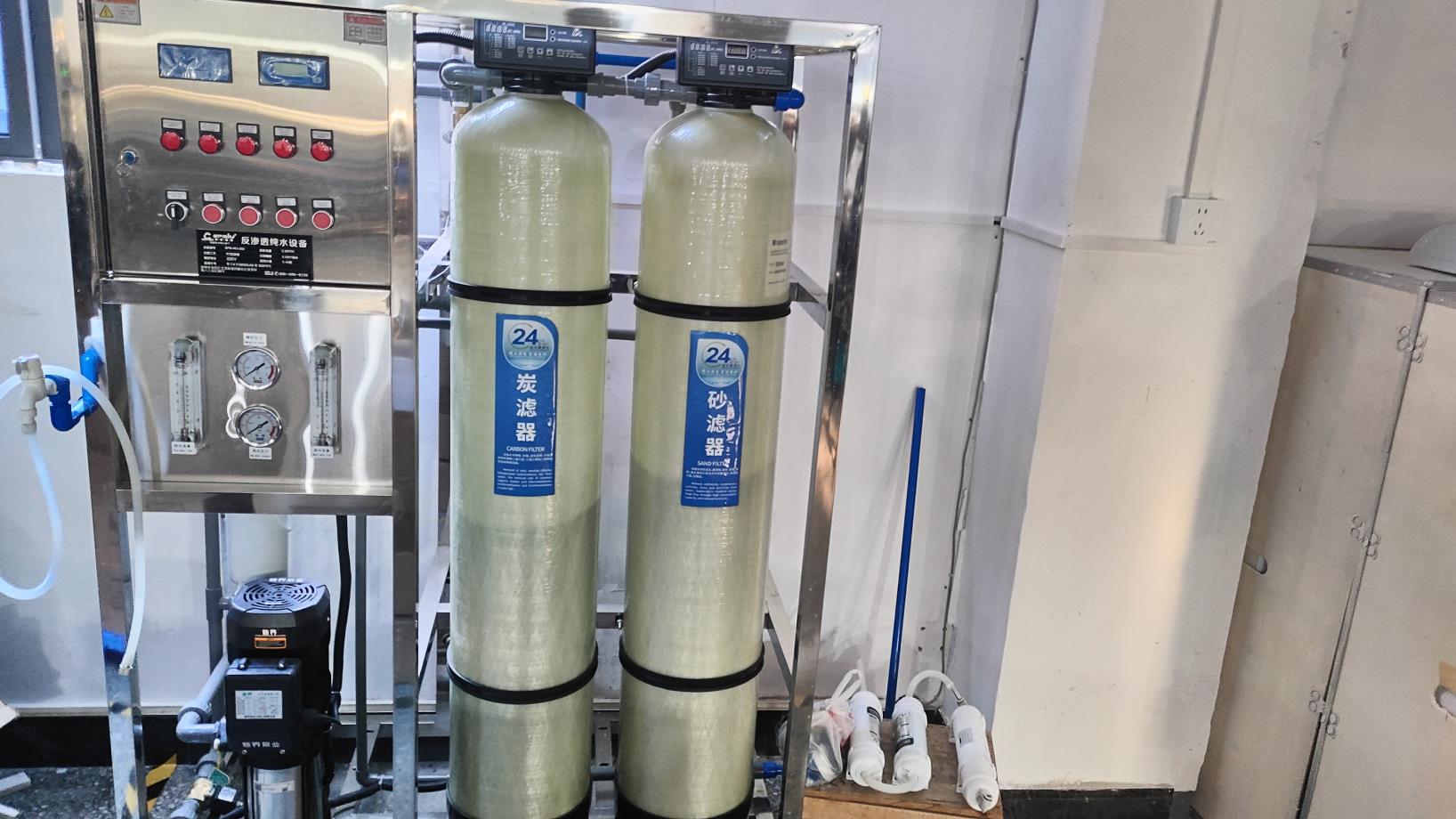
A structural look into high-precision cleanroom manufacturing and strict standard validation protocols.
For B2B buyers sourcing from Yiki Beauty or other high-tier factories, the primary concern centers around end-to-end traceabiity. An industrial-scale manufacturing process must operate under tight control limits to ensure each batch meets global standards. This begins with the incoming raw materials (PZT transducers, IC control boards, casing plastics, and batteries) and continues through final packaging. Yiki Beauty's production workflow leverages a dedicated multi-phase QA system:
To operate smoothly in target markets such as the USA, Germany, and Australia, aesthetic devices must align with the respective regional regulatory standards. Compliance goes beyond self-declaration to involve rigorous third-party validation:
Discovering upcoming innovations in smart skin scrubbers, dynamic impedance matching, and app-connected diagnostic systems.
As micro-electronics continue to advance, the next generation of ultrasonic skin scrubbers is moving towards closed-loop smart systems. By integrating bio-impedance sensors into the surgical-grade blade, future devices will actively measure skin moisture levels and tissue resistance in real time. The device will then automatically adjust its output frequency (e.g., from 24kHz up to 26kHz) and shift the vibration amplitude to match the user's specific skin type. This dynamic control prevents over-exfoliation on sensitive areas like the cheeks while providing deep cleansing on the T-zone.
Furthermore, IoT integration is playing an increasingly vital role in medical-spa operations. Clinicians can track treatment duration, blade wear cycles, and battery health via mobile dashboards. These advancements will help spa managers predict maintenance needs and minimize downtime, allowing salons to keep their devices in peak working condition and optimize operational efficiency.
Addressing the technical, regulatory, and commercial inquiries of B2B buyers and professional distributors.
 Yiki Beauty