Direct factory supply of high-end clinical aesthetic equipment. Highly customized configurations available for global distributors.
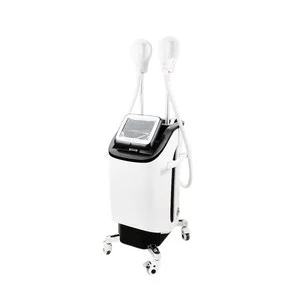
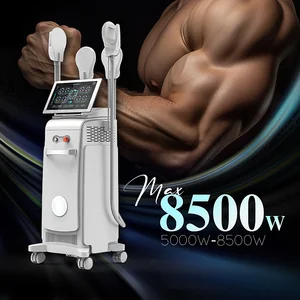
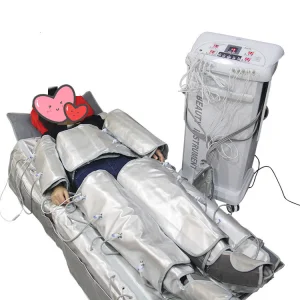
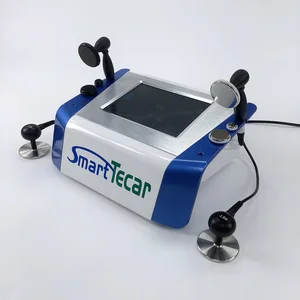
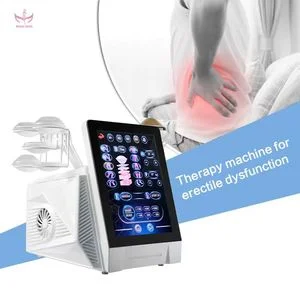
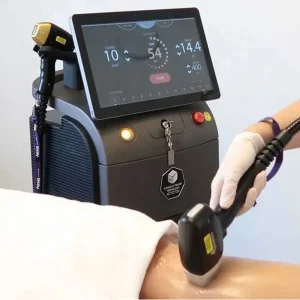
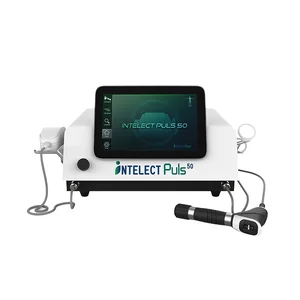
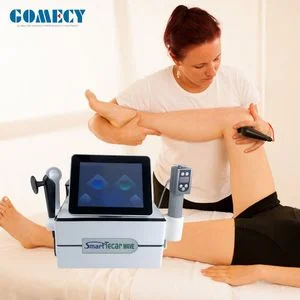
The global demand for non-invasive body contouring has surged over the past five years, driven by consumer preference for zero-downtime procedures. Ultrasound cavitation—specifically localized high-intensity micro-acoustic energy systems—remains a cornerstone technology in professional aesthetic clinics, wellness hubs, and medical spas globally. For distributors, sourcing directly from top-tier Chinese manufacturing ecosystems like Shenzhen Yiki Beauty Co., Ltd. offers a key competitive advantage: advanced component integration, FDA/CE compliance pathways, and localized application engineering at sustainable cost structures.
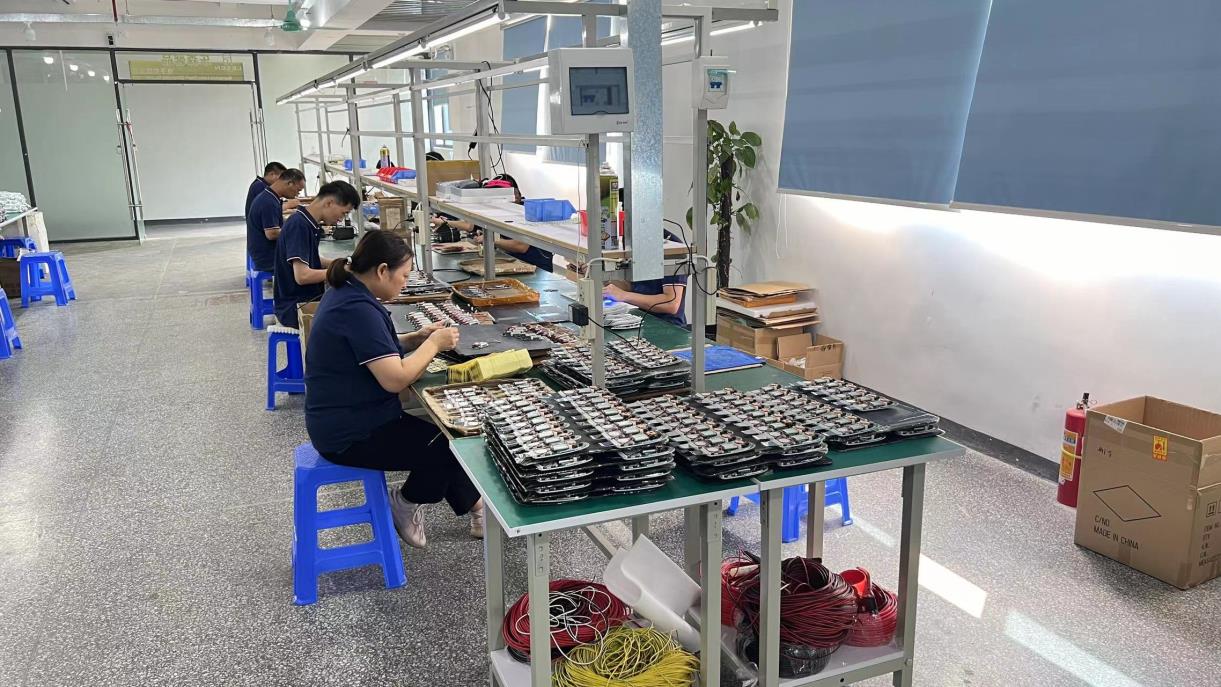
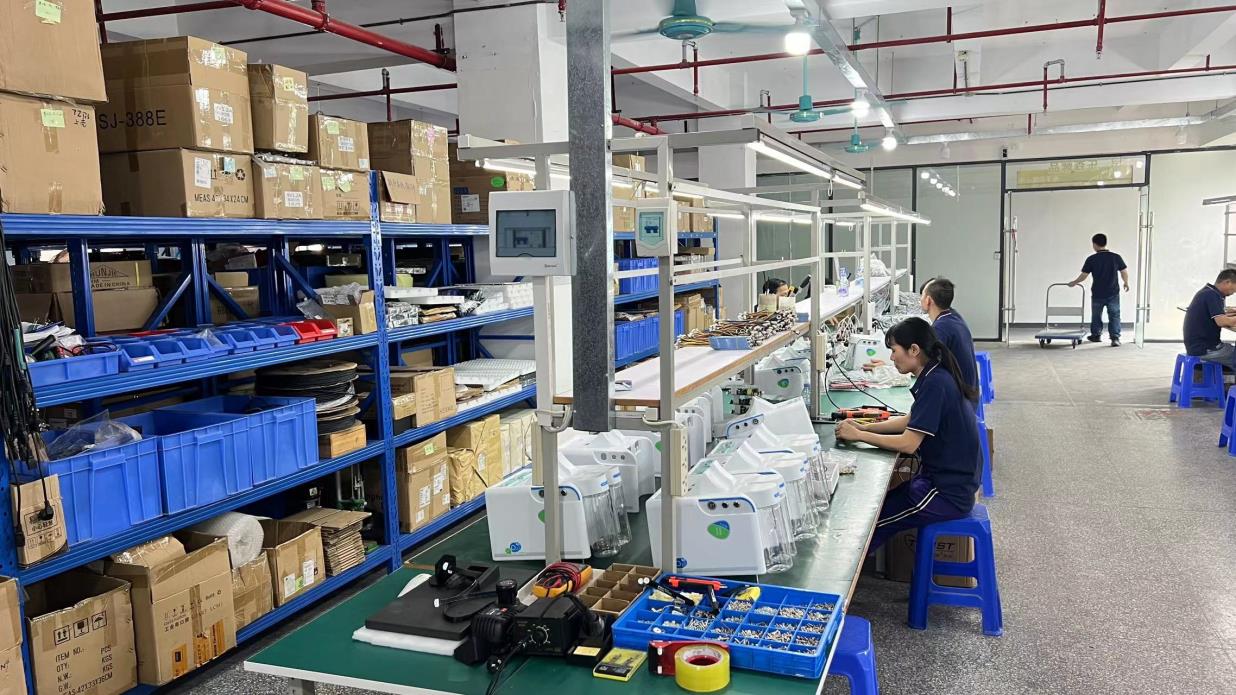
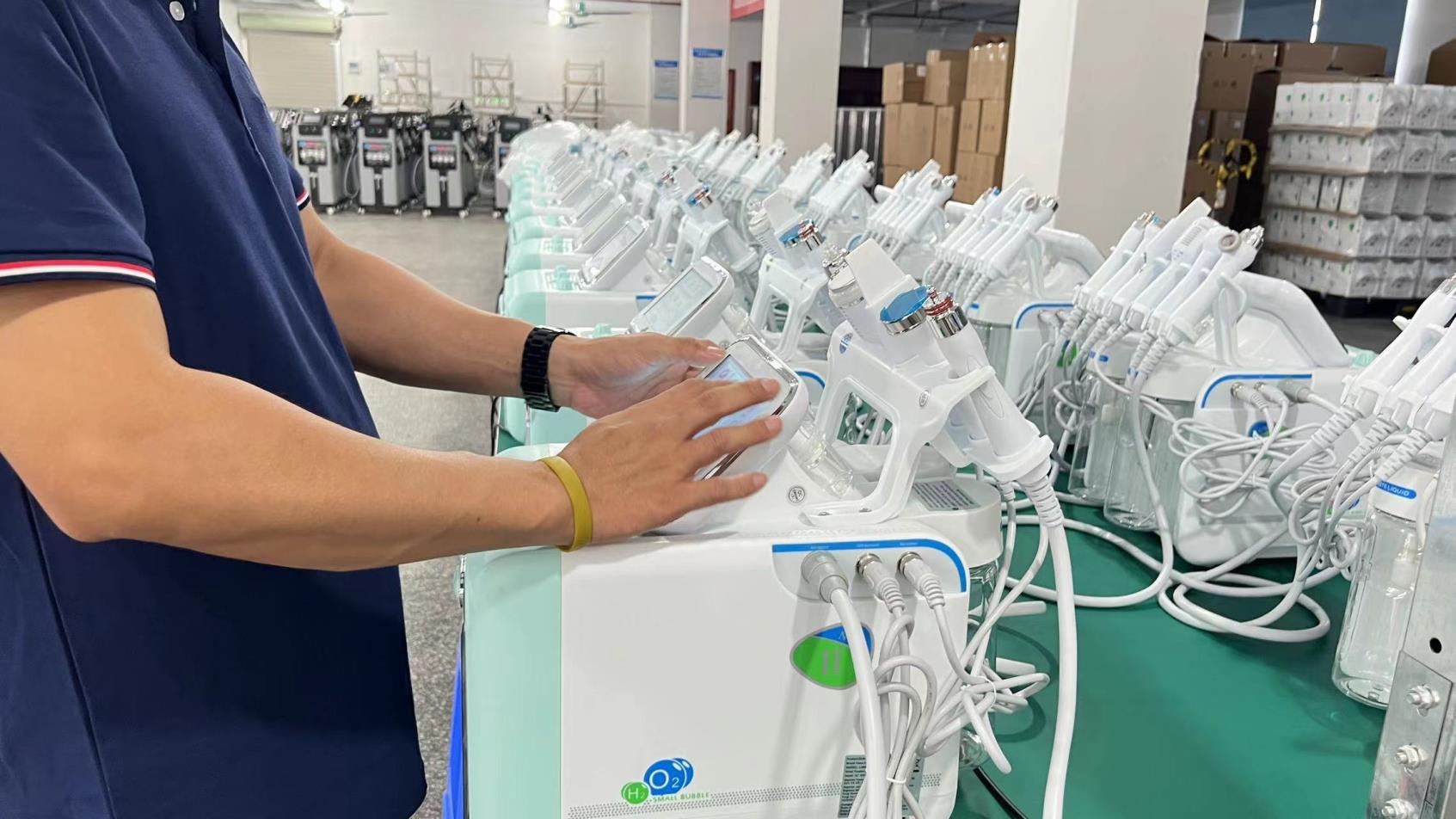
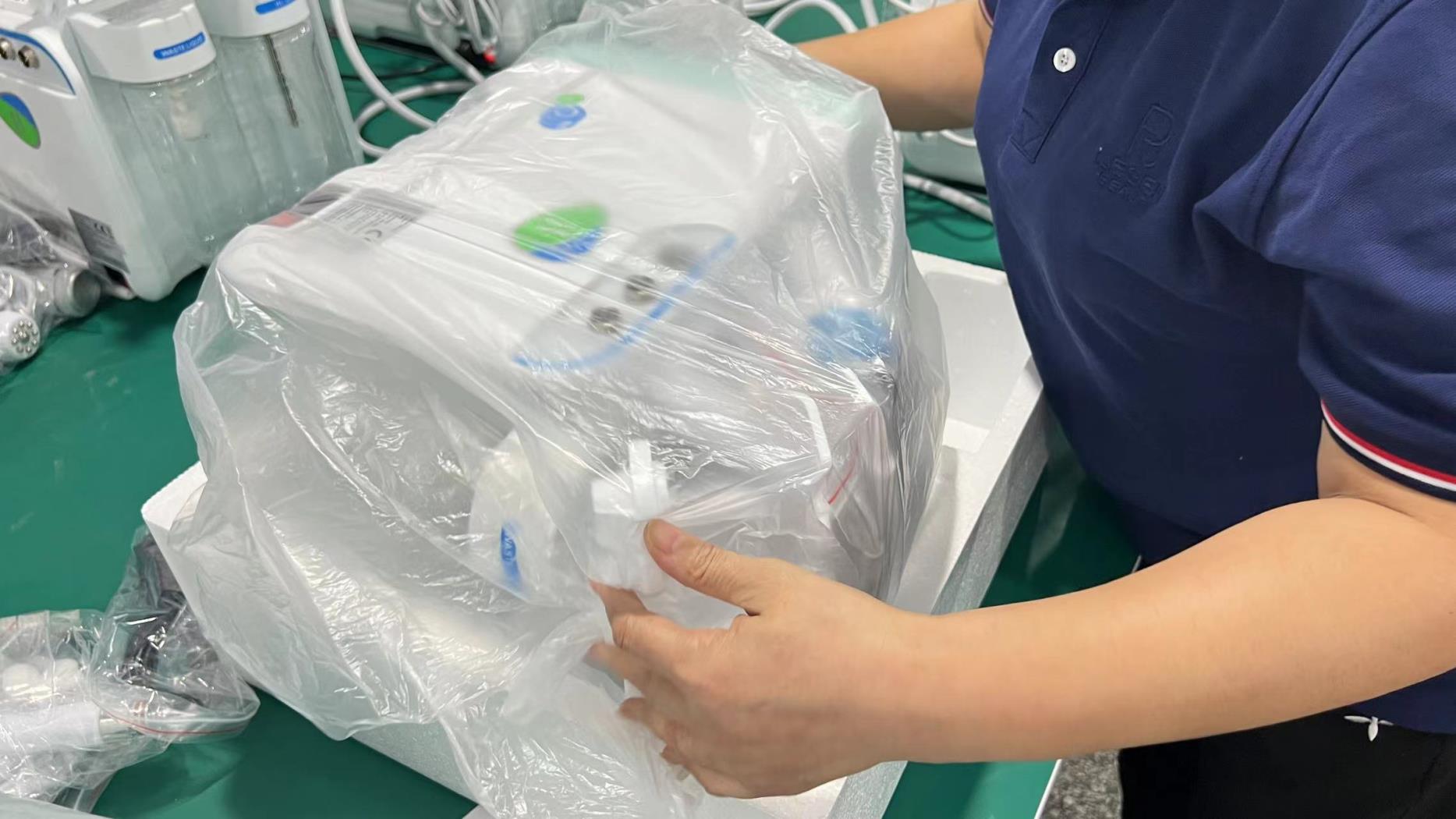
Shenzhen Yiki Beauty Co., Ltd. is a professional enterprise integrating R&D, design, manufacturing, and global sales of advanced aesthetic and beauty equipment. Built by a team of experienced technical engineers and product designers, we manage full in-house capabilities ranging from industrial appearance design and electronic system development to assembly, testing, and packaging.
We are committed to providing true one-stop solutions for global B2B clients, helping partners reduce complexity in product development, manufacturing, and international branding. By combining innovative engineering with clinical applications, we deliver safe, highly effective, and market-oriented aesthetic devices.

Step inside our state-of-the-art facility where strict quality standards govern every step from raw materials to final packaging.
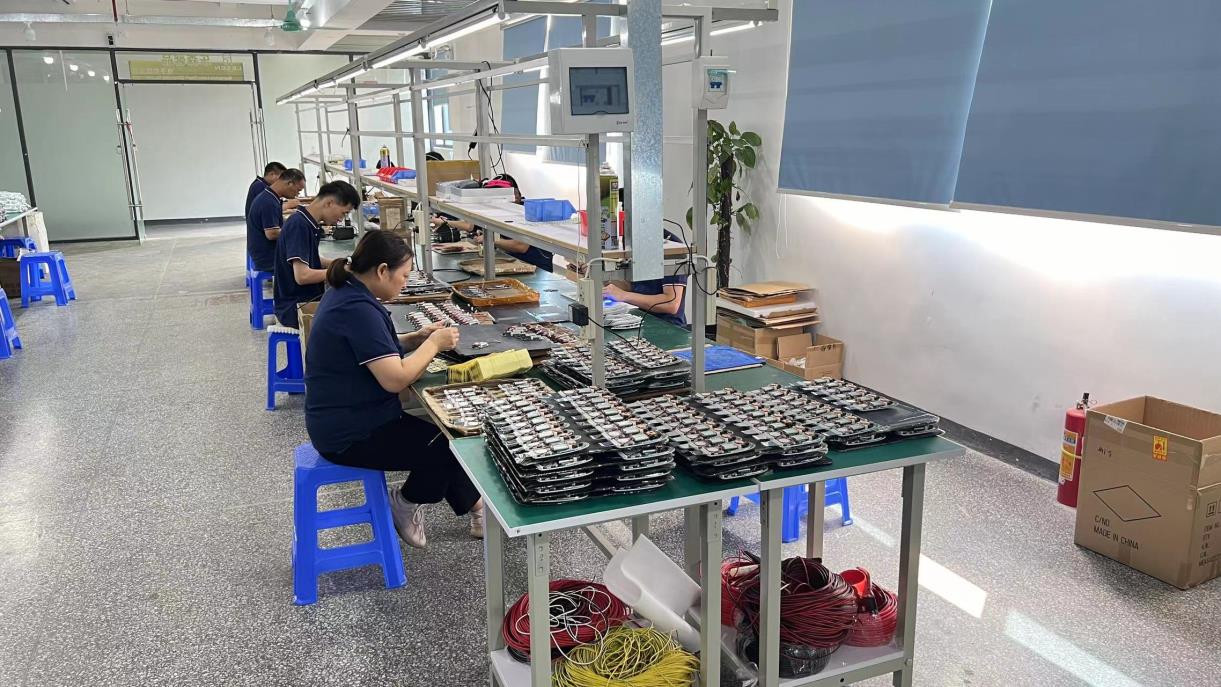
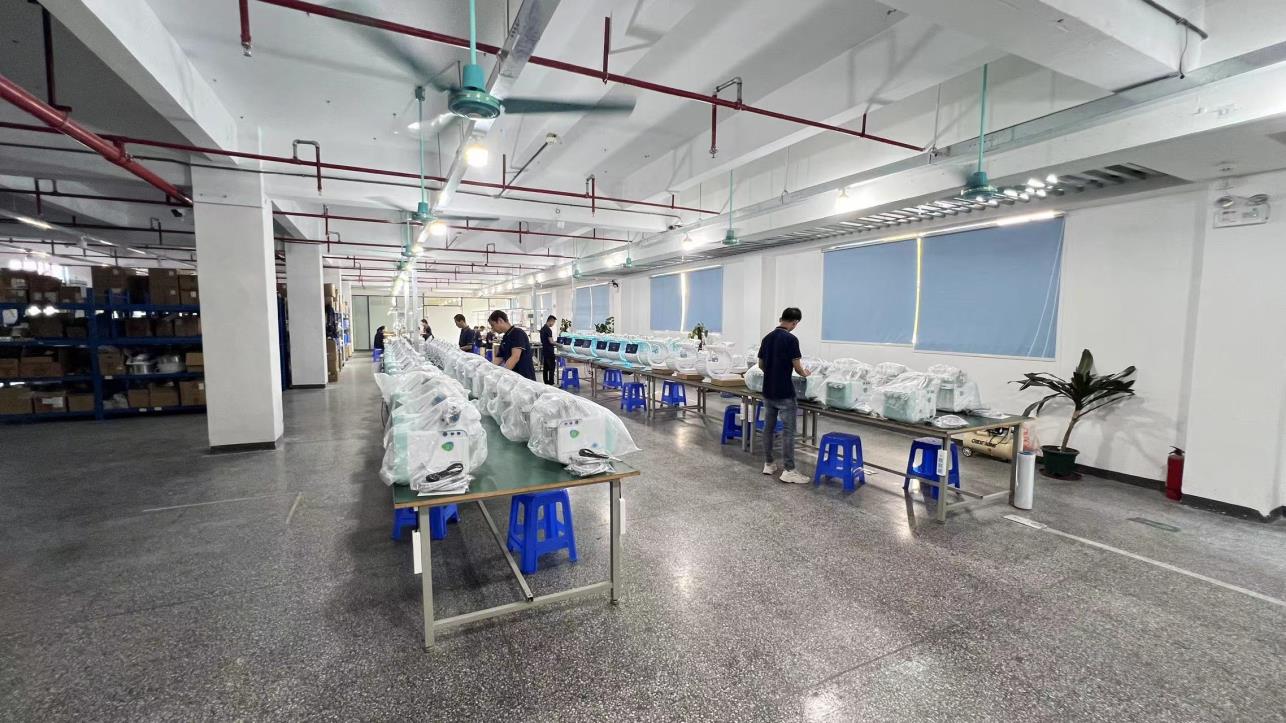
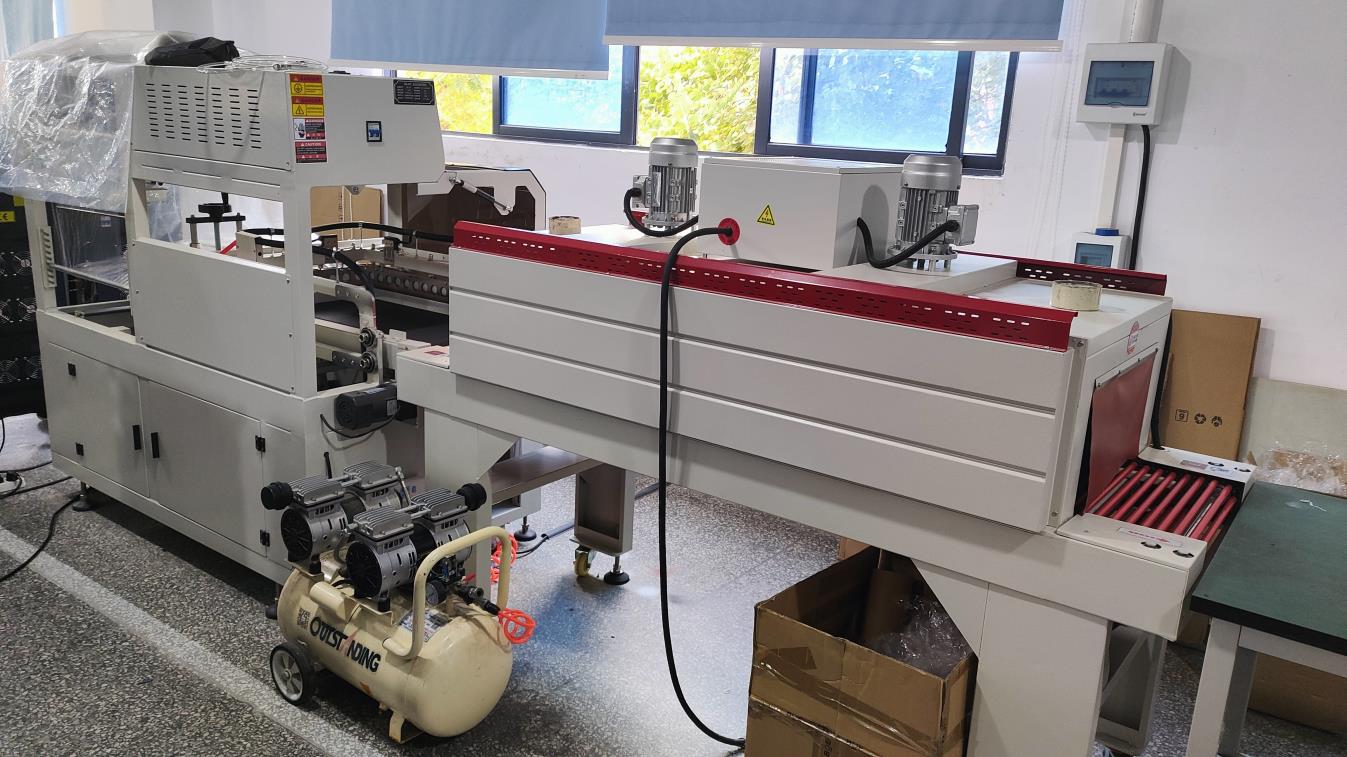
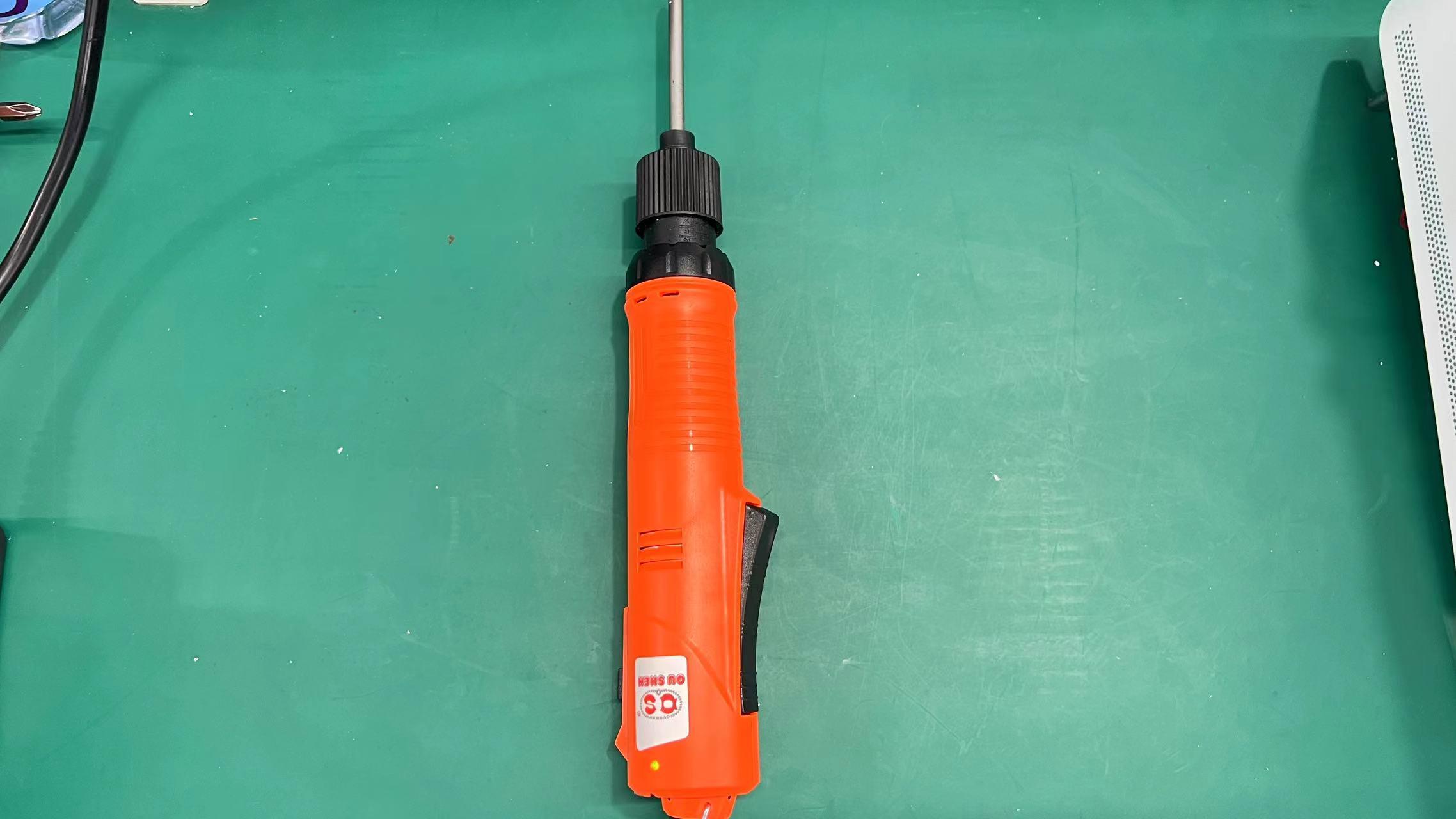
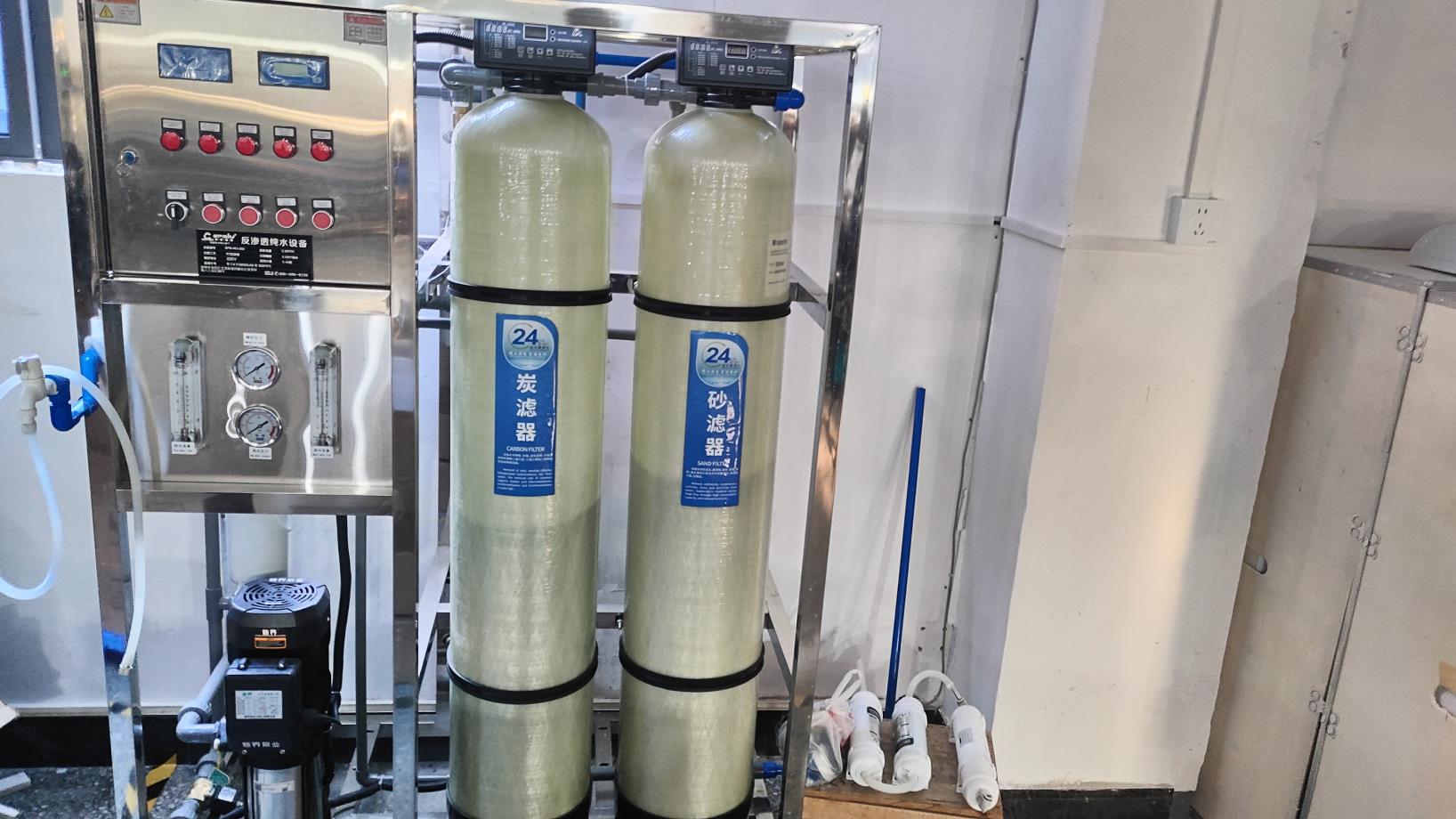
Understanding the underlying clinical mechanics that separate industrial-grade equipment from low-performance consumer copies.
Ultrasound cavitation employs focused low-frequency sound waves (typically 28KHz to 40KHz) to induce localized high-pressure changes in subcutaneous adipose layers. This cycle of compression and expansion creates micro-cavities (bubbles) inside the interstitial fluid, which implode to rupture adipocyte cell membranes without damaging surrounding blood vessels, nerves, or connective tissues.
The quality of the piezoelectric ceramic transducer dictates the conversion efficiency of electrical energy to mechanical sound. Low-quality manufacturers use synthetic polymers that degrade and lose frequency calibration, while our transducers use aerospace-grade lead zirconate titanate (PZT) to ensure consistent, stable resonance output over thousands of treatment cycles.
Stable cavitation requires continuous skin contact and efficient transducer cooling. Real-time temperature sensors integrated into the handle probe actively monitor thermal thresholds. This is coupled with advanced Peltier thermoelectric cooling arrays to deliver comfort and eliminate the risk of thermal skin damage during long treatments.
From single-frequency legacy devices to advanced multi-modal, software-driven aesthetic workstations.
How different global markets configure, market, and deploy body contouring solutions to meet local consumer demands.
Focus is heavily placed on regulatory compliance (USFDA approval path) and high ROI throughput. Clinicians prefer multi-functional platforms that combine cavitation with vacuum lymphatic drainage to offer comprehensive, high-margin weight management packages.
Strict adherence to CE Medical Device Regulation (MDR) standards is essential. European partners prioritize electrical safety, EMC shielding, and ecological packaging materials. Popular configurations focus heavily on localized cellulite reduction treatments.
High demand for rapid body contouring systems. Platforms with multi-polar RF and vacuum rollers are popular in these regions, allowing salons to design customized, high-intensity circumferential reduction protocols.
For distributors, importers, and brand owners: key metrics to evaluate when selecting a manufacturing partner in China.
Ensure the factory holds legitimate ISO13485 certification and offers actual EMC and LVD test reports from recognized labs. Check that the CE mark matches the correct directives for active medical devices.
Ask for cavitation probe lifecycle test logs. Top-tier manufacturers subject their transducers to at least 48 to 72 hours of continuous stress-testing to guarantee that the output frequency remains stable.
Evaluate the manufacturer's ability to customize hardware chassis, modify software GUIs, and integrate secondary technologies like pressotherapy or vacuum massage within a single cohesive interface.
Technical, operational, and commercial insights for B2B buyers evaluating cavitation technology.
Discover our comprehensive range of body contouring, skin rejuvenation, and laser therapy systems.
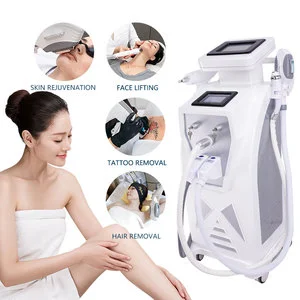
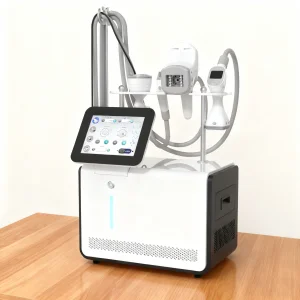

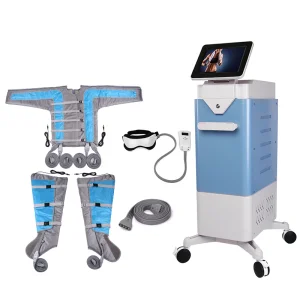
 Yiki Beauty