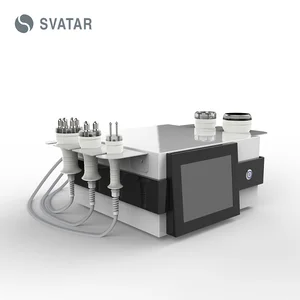
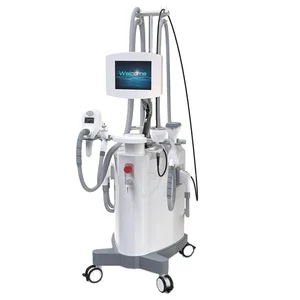
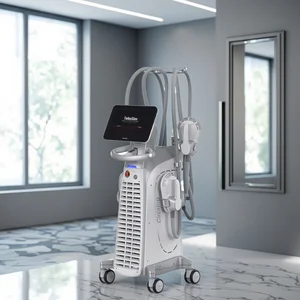
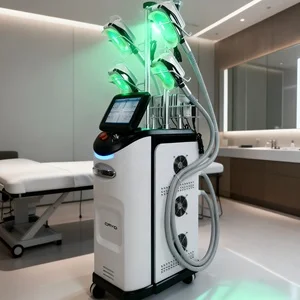
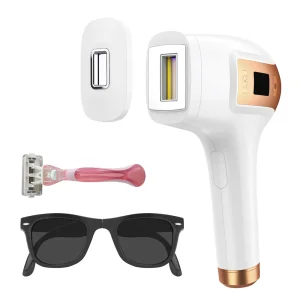
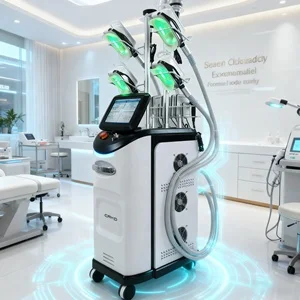
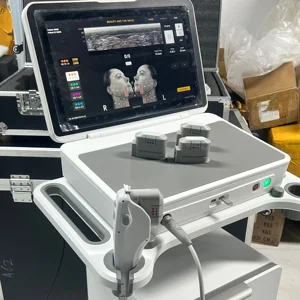
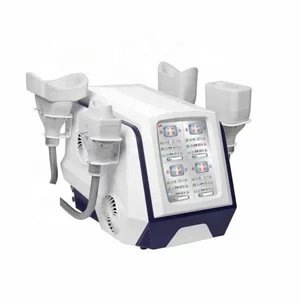
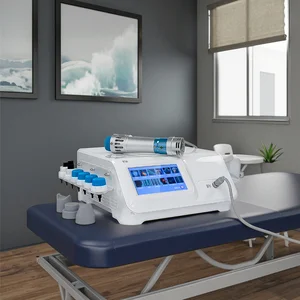
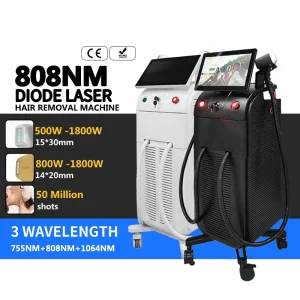
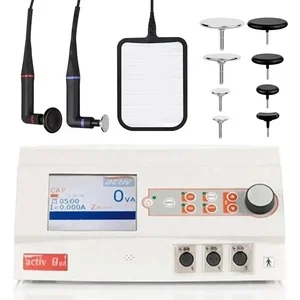
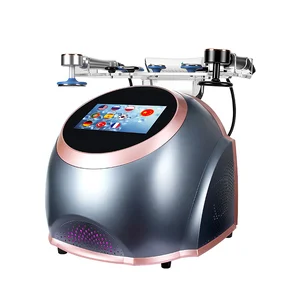
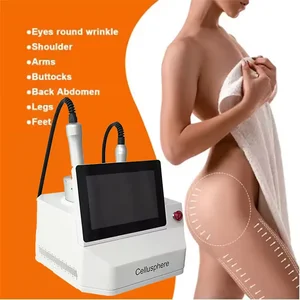
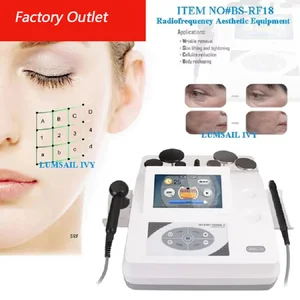
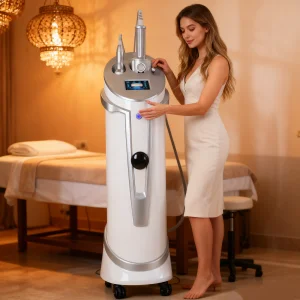
Engineered medical-grade platforms designed for high-throughput spa, clinical, and aesthetic center distributions.
The professional aesthetics landscape is undergoing a monumental paradigm shift. Modern clinics and medical spas are transitioning from aggressive, ablative laser protocols toward non-invasive, progressive cellular nourishment therapies. At the absolute center of this structural shift is the hydration machine—specifically medical-grade hydro-dermabrasion, vortex infusion, and transdermal serum delivery platforms. As global demand for non-surgical facial treatments swells towards an estimated compound annual growth rate (CAGR) of 12.4% between 2025 and 2030, finding an elite, compliant hydration machine manufacturer has become a top priority for global aesthetic distributors and brand owners.
This whitepaper addresses the core pain points of medical aesthetic procurement teams, biomedical engineers, and commercial distributors. We outline the technical benchmarks that separate raw-assembly shops from true original design manufacturers (ODMs), analyze the technical roadmaps shaping the industry, and present the criteria that define the global top 10 hydration and body shaping equipment factories.
For international business-to-business (B2B) buyers, selecting a reliable manufacturer is not merely about finding the lowest unit price; it requires looking at engineering, system resilience, and compliance. Below is the framework global procurement teams use to evaluate aesthetic and hydration machine suppliers:
| Evaluation Parameter | Entry-Level Standard | Advanced OEM/ODM Standard (World-Class) |
|---|---|---|
| Hydraulic System Integrity | Single-pump configurations with shared fluid paths | Independent dual-pump isolation (Clean vs. Waste), medical-grade peristaltic components |
| Chassis and Shielding | ABS plastics prone to chemical cracking | Heavy-gauge thermoformed polyurethane, anti-corrosive internal structural frames |
| Certification & Compliance | Self-declared CE mark (LVD/EMC directives only) | MDR-compliant CE, FDA 510(k) clearances, ISO 13485 Medical QMS registration |
| R&D and Customization | Basic logo placement on pre-existing molds | Complete industrial design (ID), custom GUI design, PCB layout engineering |
| System Integration | Standalone hydration loop | Multi-modality coupling (RET Tecar, 40Khz cavitation, smart IoT app sync) |
Ensuring consistent vacuum pressures (up to 700 mmHg) while offering targeted product micro-nebulization is a major challenge for cheap factories. Top-tier manufacturers solve this by utilizing high-performance brushless diaphragm pumps and customized fluidic manifold plates that prevent cross-contamination and handpiece clogging.
Shenzhen Yiki Beauty Co., Ltd. is a professional enterprise integrating R&D, design, manufacturing, and global sales of advanced aesthetic and beauty equipment. The company is built by a team of experienced technical engineers and product designers, with fully in-house capabilities ranging from industrial appearance design and electronic system development to assembly, testing, and packaging.
Yiki Beauty is committed to providing a true one-stop solution for global customers, helping partners reduce complexity in product development, production, and branding. By combining innovative engineering with practical clinical and salon applications, the company continuously delivers safe, effective, and market-oriented beauty devices.
With a strong focus on quality control and technological innovation, Shenzhen Yiki Beauty Co., Ltd. supports OEM and ODM services, as well as private label branding. The company adheres to strict international quality standards and strives to build long-term partnerships with distributors, clinics, salons, and beauty chains worldwide.
Currently exporting to over 15 major international markets, including the United States, Germany, Australia, Canada, Italy, France, the United Kingdom, Spain, Russia, the Netherlands, Switzerland, Ukraine, Poland, Turkey, and Belgium.
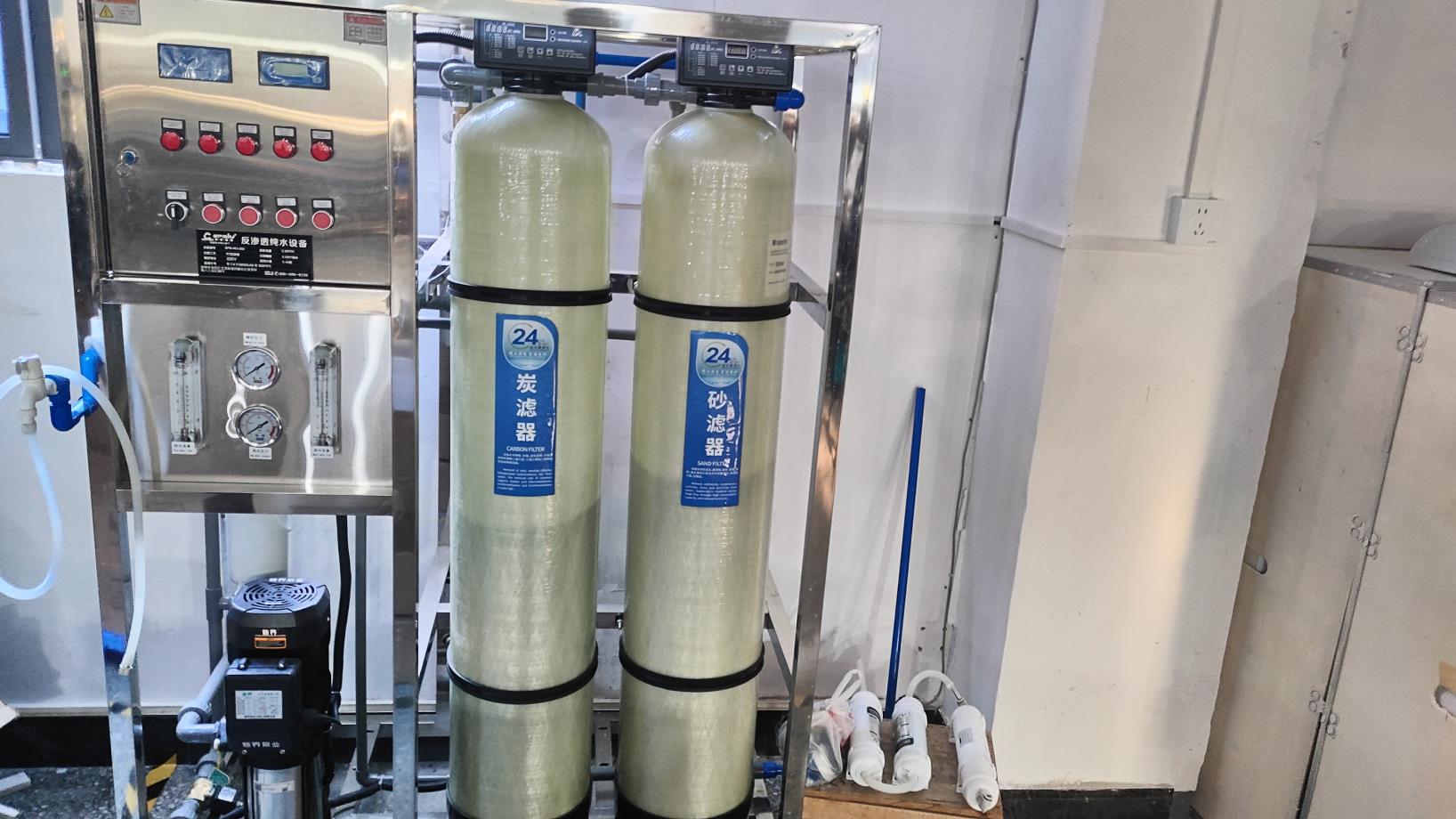
From raw material incoming inspection to final clean-room assembly and automated packaging, explore how our systems are constructed.
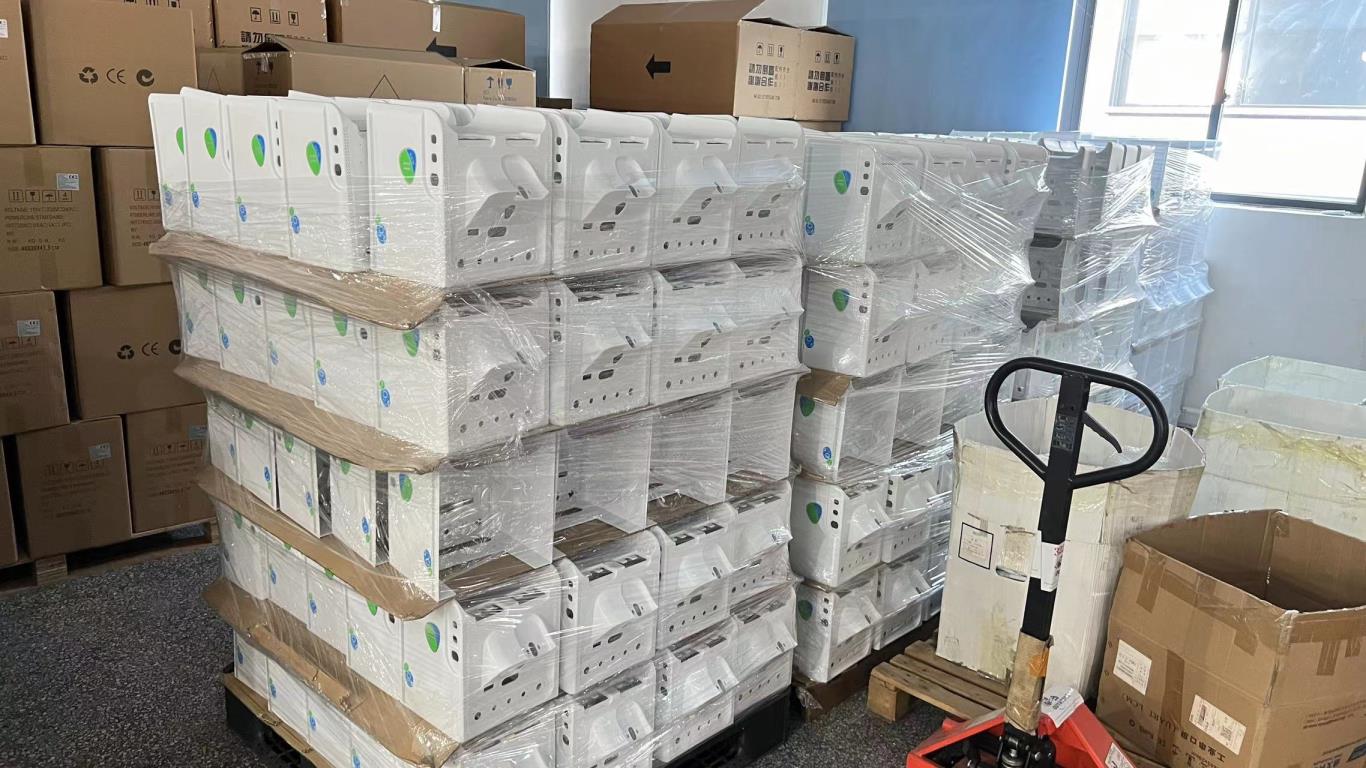
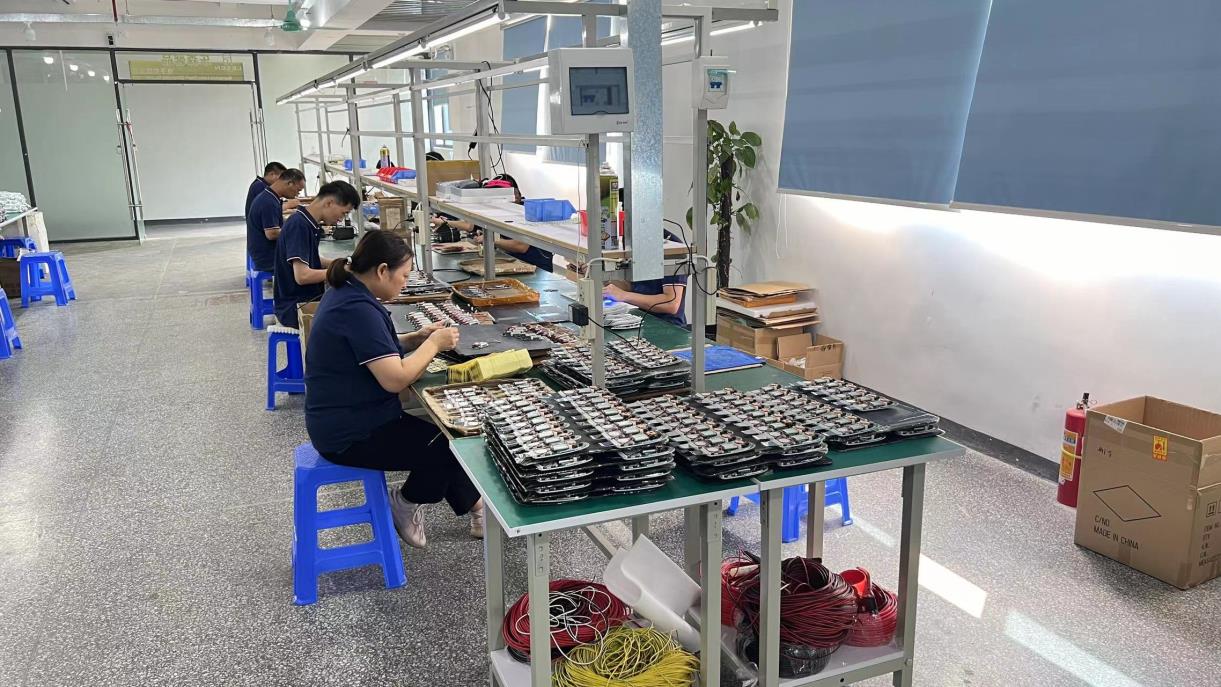
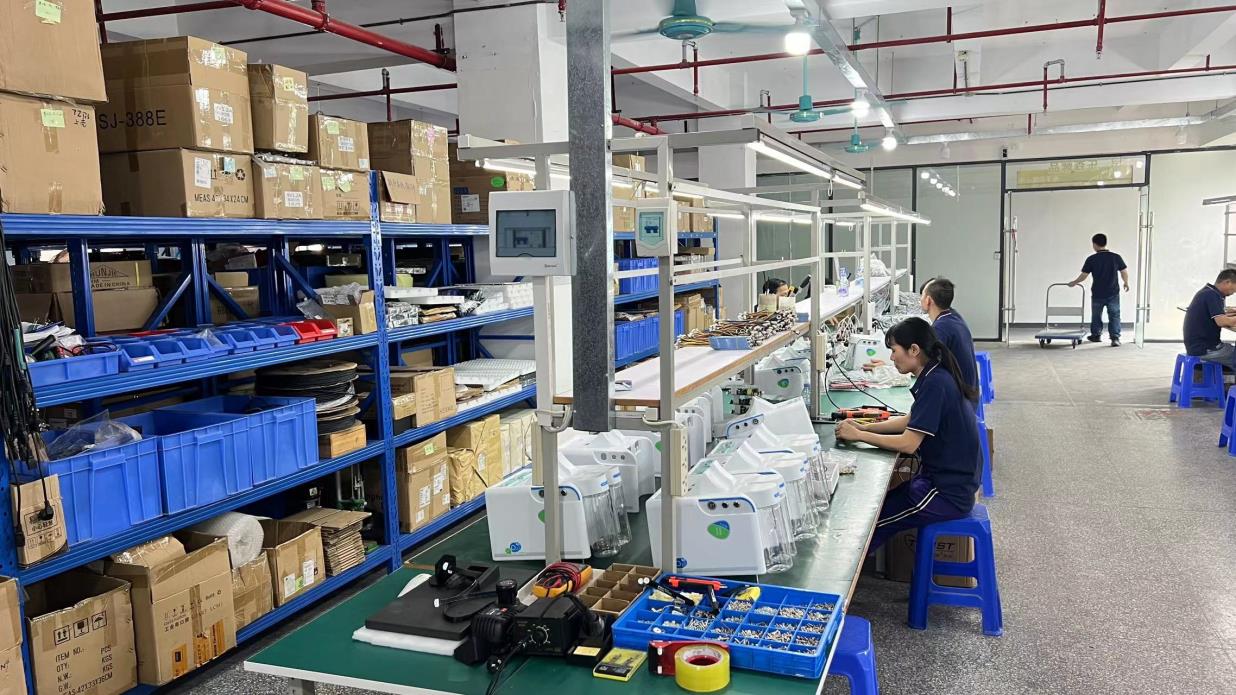
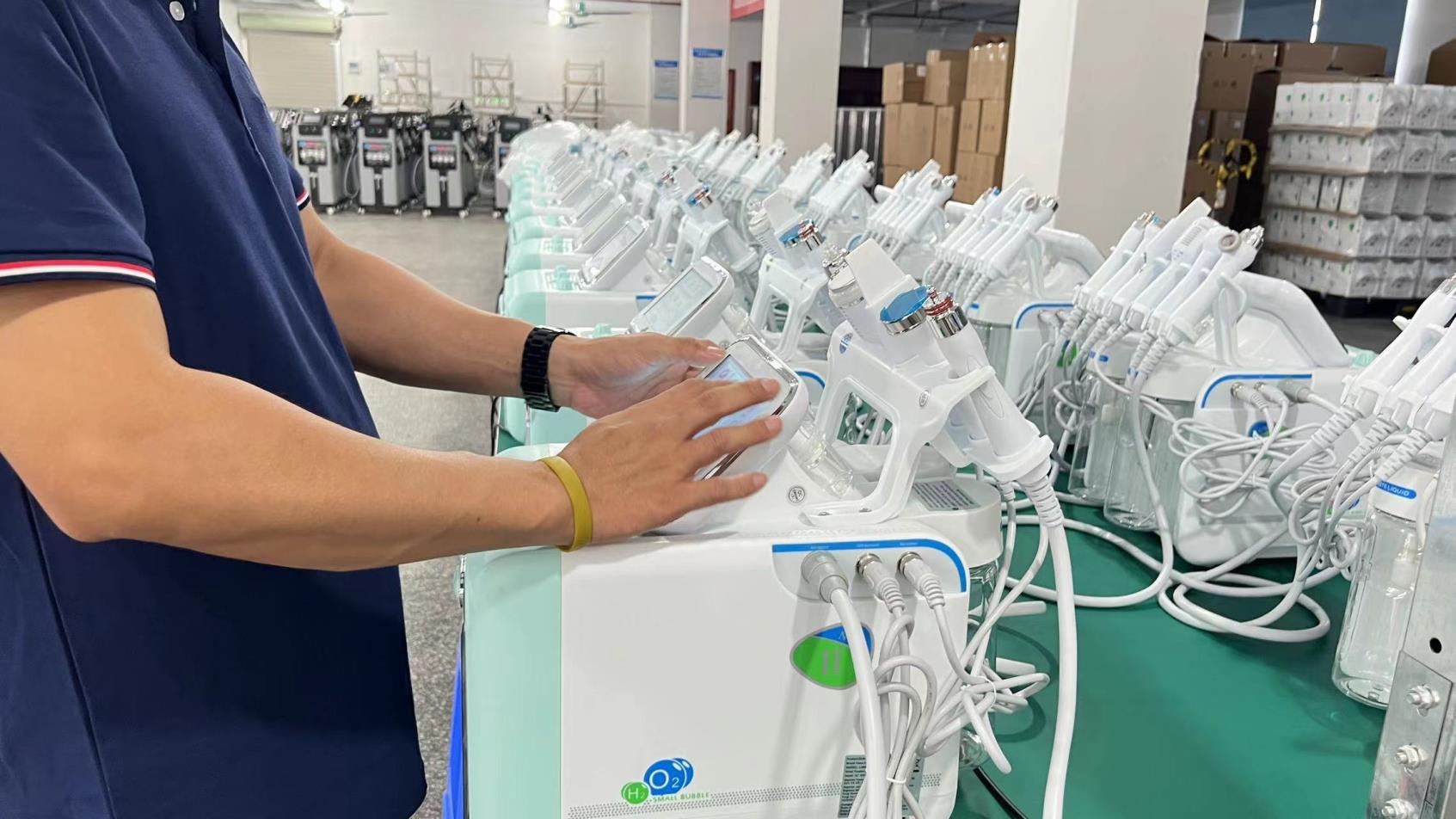
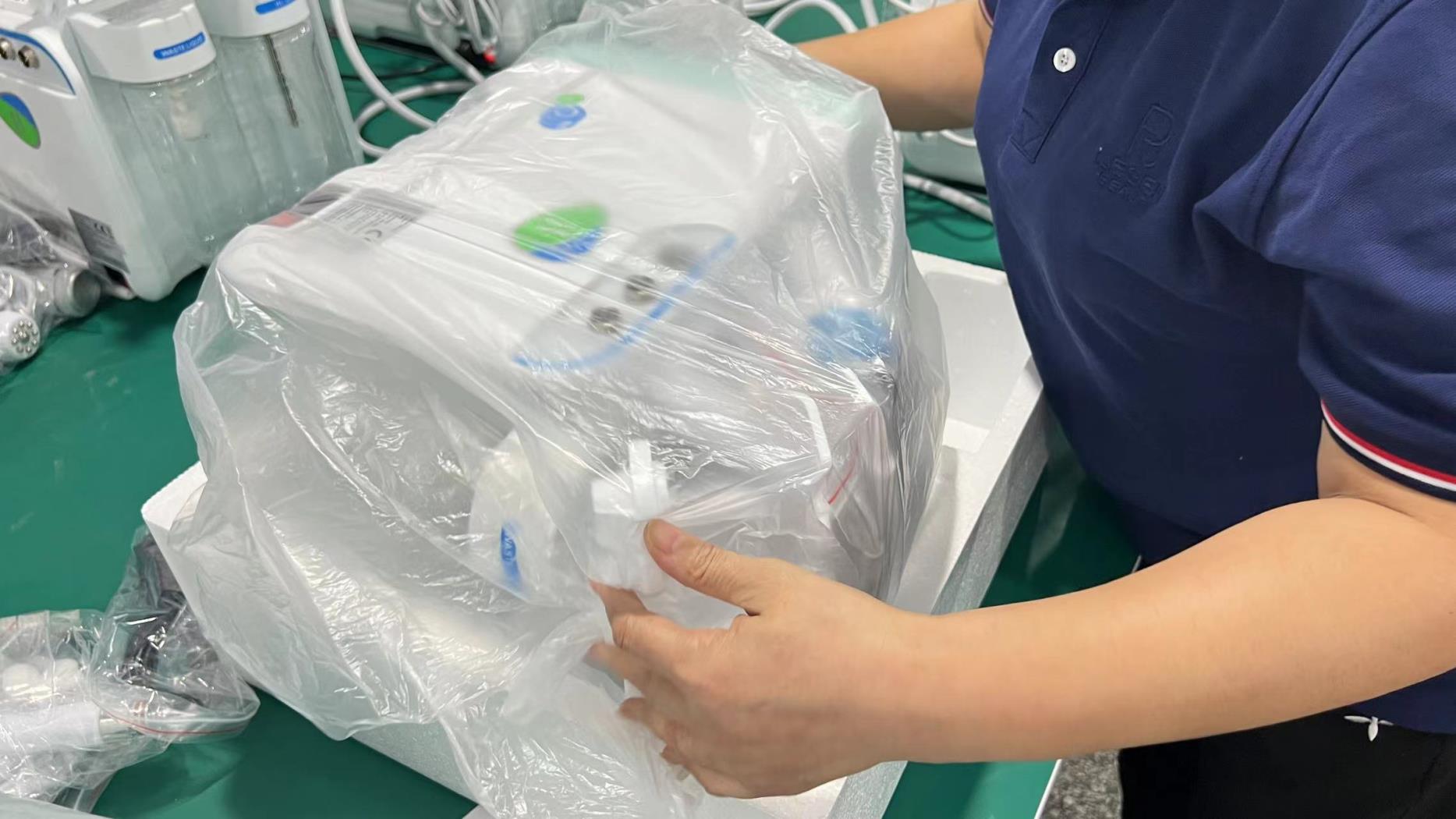
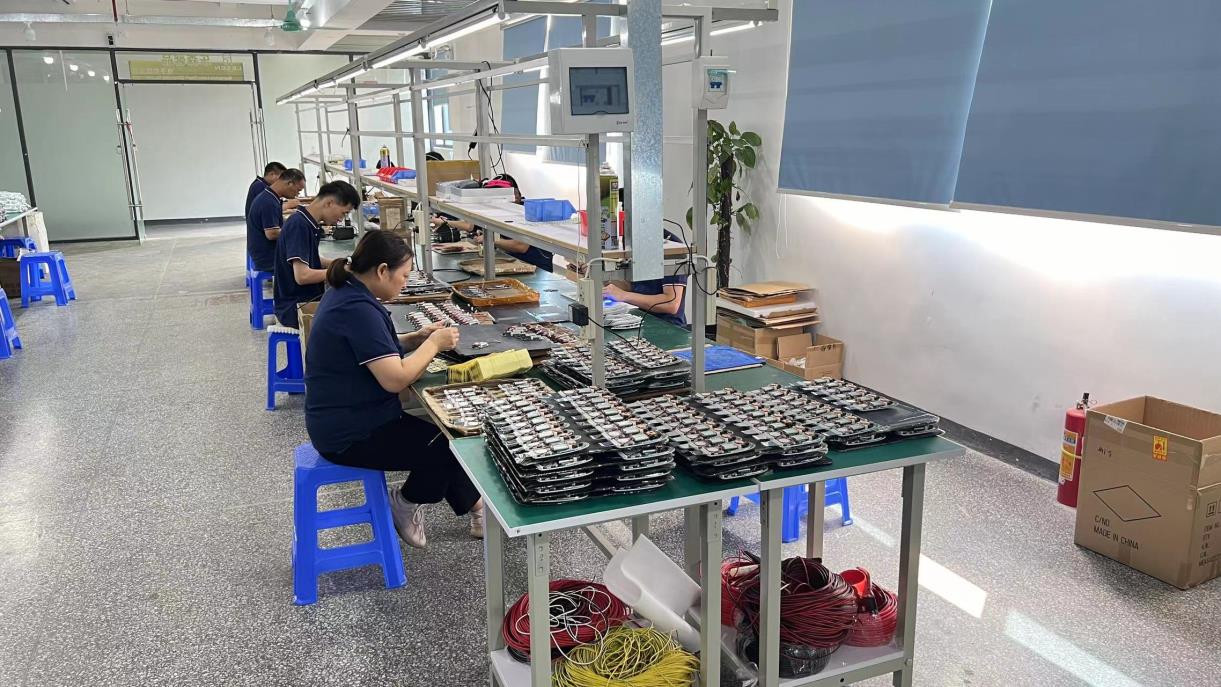
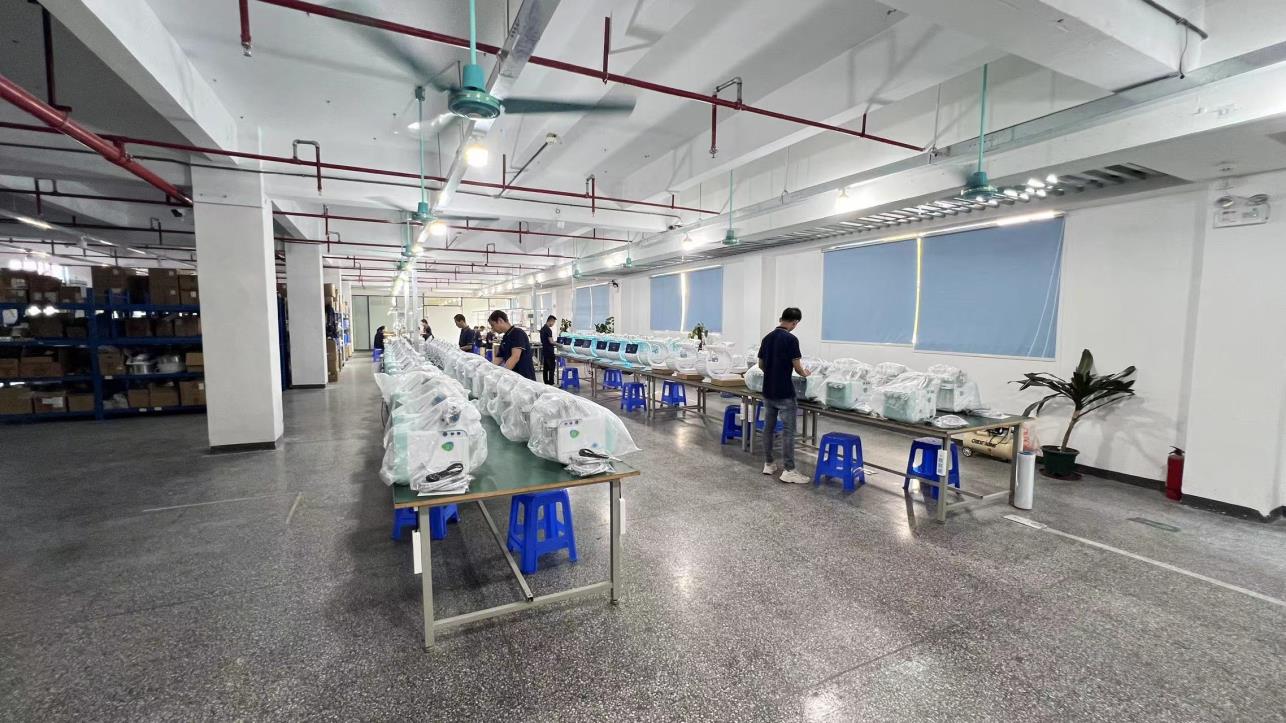
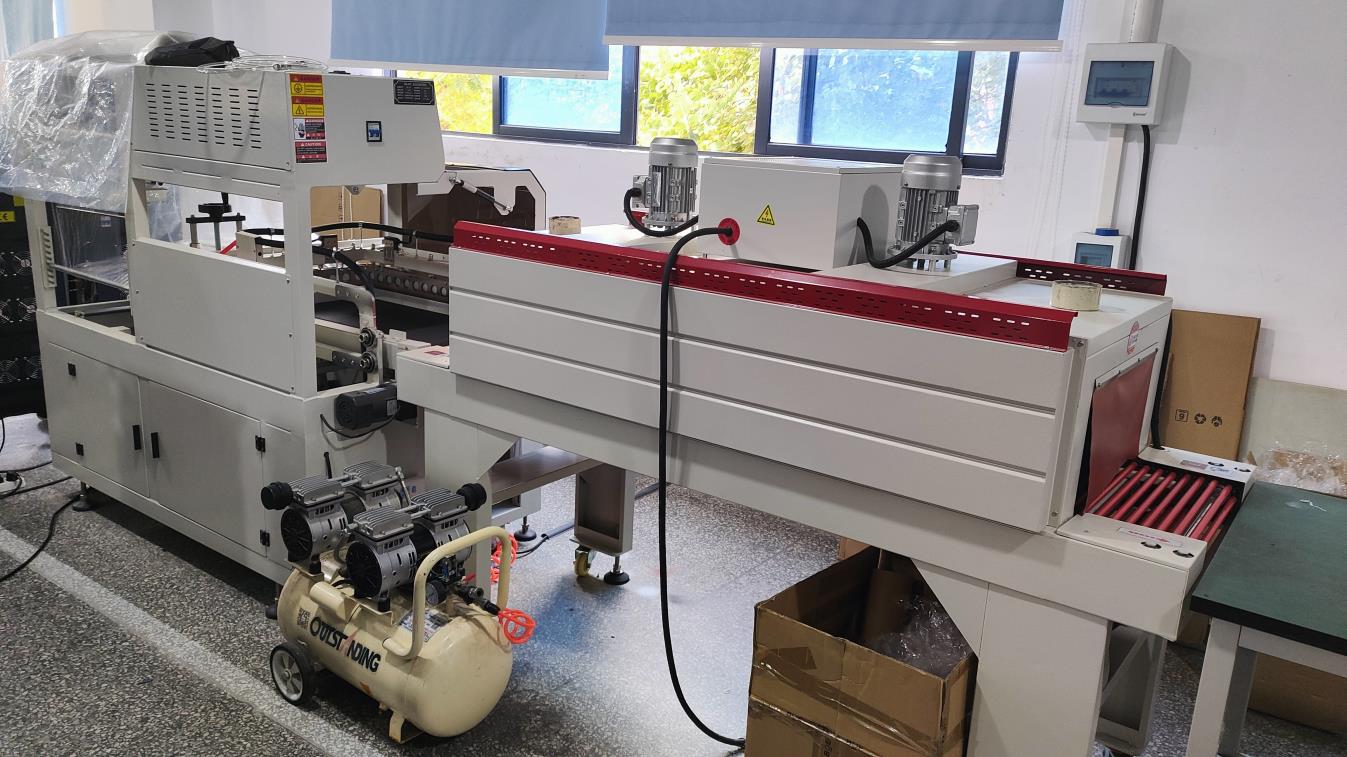
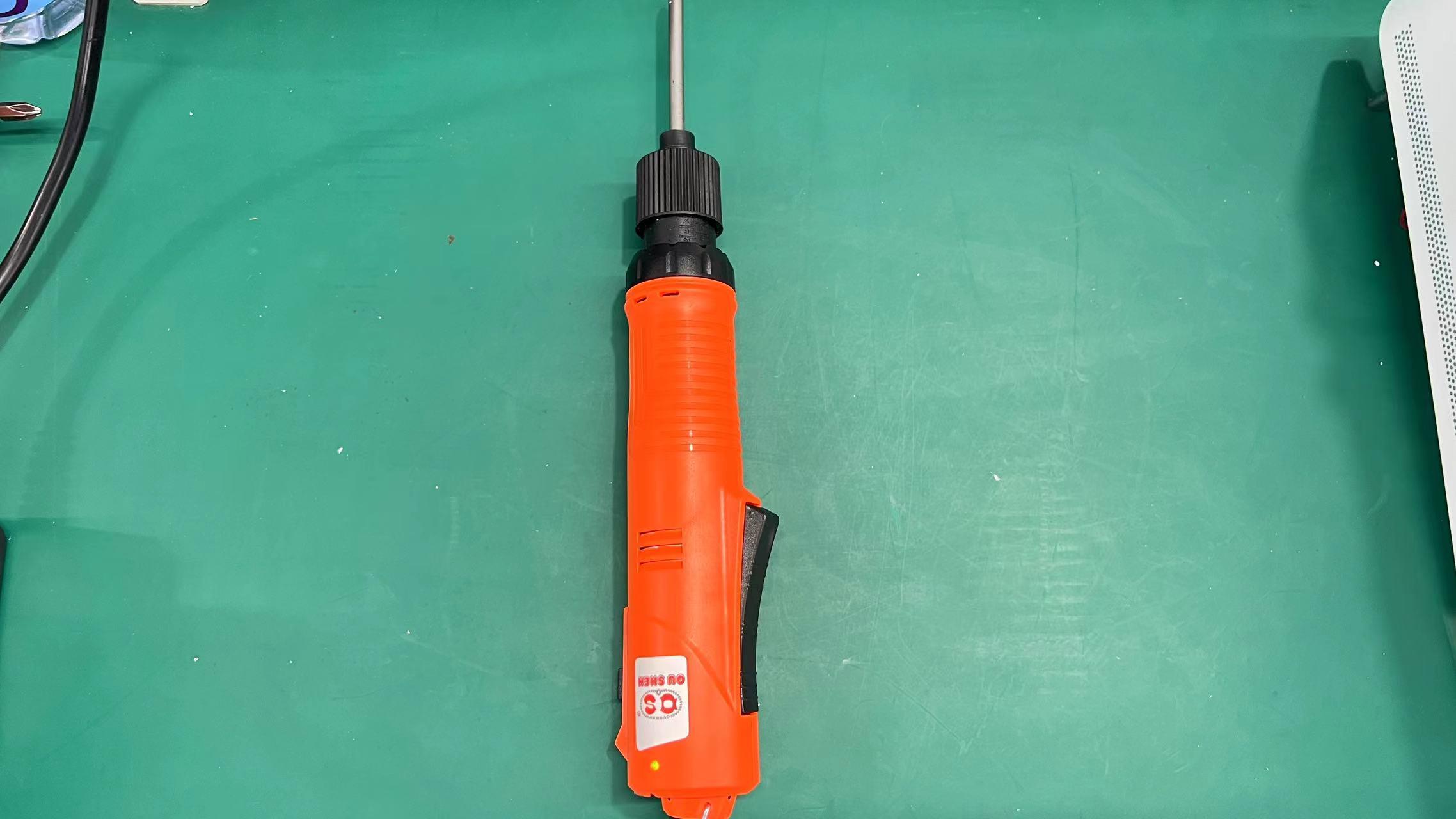
Operating in the global medical beauty space requires strict management of regional market demands. Different markets present vastly different usage contexts and regulatory standards.
For clinical settings with high daily patient volumes, machine durability is critical. In these environments, procurement teams prioritize hydration equipment equipped with high-efficiency cooling loops (such as semiconductor peltier cooling combined with oversized copper radiators) and automated internal decontamination system cycles. Our production lines resolve this by configuring intelligent automated rinsing loops, preventing formulation residues from forming biofilm inside the internal tubing.
For cosmetic and skincare brands looking to introduce proprietary hardware lines, customized appearance casing design and unique user interfaces are vital. Our design and structural engineering divisions provide a comprehensive solution:
The hydration and non-invasive fat-reduction industry is transitioning towards smart, integrated technologies. Here are the core technological trends that will shape the production lines of leading manufacturers in the coming years:
Historically, hydration machines, RF body shaping machines, and muscle-stimulating systems existed as isolated consoles. Tomorrow's leading engineering blueprints incorporate multi-modality capabilities. For instance, combining deep-tissue 448kHz thermal therapy (TECAR RET/CET) with active transdermal hydro-infusion allows practitioners to stimulate deep collagen synthesis while preparing the outer epidermal barrier for accelerated recovery.
The integration of IoT modules into professional aesthetic consoles is now standard practice. Device parameters, handpiece cartridge life cycles, vacuum power calibrations, and operator session times can be synced in real-time to cloud platforms. This allows distributors to offer remote diagnostics, reducing the need for costly on-site technical maintenance visits.
Entering major medical aesthetic markets requires navigating strict compliance frameworks. Without correct certifications, customs clearances can fail, and operators face significant liability risks.
Our factory lines maintain ISO 13485 (Medical Devices Quality Management Systems) certification, ensuring that from component sourcing to systemic assembly, every step is fully documented and traceable.
Expert answers regarding engineering, OEM customization pipelines, international logistics, and device implementation.
A: Clogging is caused by high-viscosity serums crystallizing inside the micro-channels. Our systems utilize an integrated automatic vacuum purge line that flushes the tubes with distilled water after every treatment session. Cross-contamination is prevented by utilizing distinct physical internal conduits and check-valves, ensuring clean solutions never interact with waste fluid lines.
A: Standard OEM projects (custom branding, case colors, GUI updates) take between 30 to 45 days. Complete ODM projects—including new industrial design mockups, PCB layout design, injection molding, and safety certification testing—require 90 to 120 days from initial design sign-off to first batch delivery.
A: Research demonstrates that the 448kHz frequency modulates cellular ion activity, promoting tissue regeneration and deep collagen remodeling without overheating the skin. It works synergistically with hydration platforms by increasing localized blood flow and micro-circulation, accelerating serum absorption.
A: Every system integrates electronic pressure sensor relays that monitor vacuum output in real-time. If the pressure exceeds preset safe limits (e.g., 750 mmHg), the system opens an emergency bypass valve to release suction instantly, preventing epidermal bruising or tissue trauma.
A: We provide complete technical documentation packages, including electrical schematics, explosive view diagrams, high-resolution media kits, and localized user manuals. Additionally, we offer training modules and direct video support for regional maintenance teams.
Explore our high-performance solutions for clinic-wide device integration.
 Yiki Beauty