The global non-invasive body contouring market is undergoing a rapid technological evolution. Among these modalities, cryolipolysis (popularly termed fat freezing) remains the gold standard for non-surgical localized adipose reduction. According to clinical consensus and market analysis, distributors, aesthetic clinics, and medical spas seek cryolipolysis machines that minimize treatment time while maximizing biological cell death (apoptosis) of fat tissue.
Historically, the industry struggled with long treatment protocols, surface frostbites, and uneven results. Modern procurement channels now prioritize direct factory partnerships over third-party trading groups. This structural shift allows buyers to verify engineering blueprints, request custom multi-applicator configurations, and ensure strict adherence to thermal safety guidelines.
For international medical spa chains and aesthetic equipment distributors, finding a certified fat freezing device factory is no longer just about lowest cost per unit. E-E-A-T (Experience, Expertise, Authoritativeness, and Trustworthiness) standards demand that manufacturers show real-time performance documentation, stable temperature feedback loops, and robust clinical verification data.
The core mechanism of cryolipolysis relies on the sensitivity of fat cells to temperature changes. Adipocytes crystallize at higher temperatures than surrounding tissues (such as nerves, skin, and muscle). To achieve predictable clinical outcomes, professional suppliers design systems with smart closed-loop thermal pathways.
Older platforms utilize two small cooling plates positioned opposite each other within the handpiece cup. This setup leads to uneven cooling gradients and requires higher energy settings, increasing the risk of cold injury. In contrast, 360-degree surrounding cooling modules cover the entire inner surface of the handpiece cup, providing a larger, more uniform cooling zone.
| Technology / Metric | Legacy Dual-Plate Cryo | Advanced 360° Surround Cooling | Impact on Clinical Practice |
|---|---|---|---|
| Cooling Uniformity | Uneven, restricted to side contact zones | 100% full cup area surface coverage | Higher fat reduction rate per session |
| Average Treatment Duration | 60 minutes per cycle | 35 to 45 minutes per cycle | Increases clinic capacity and hourly ROI |
| Vacuum Distribution | High concentrated suction at base | Even micro-chamber negative pressure | Significantly reduced post-treatment bruising |
| Peltier Module Lifetime | Estimated 3,000 to 5,000 hours | Over 10,000 hours (Industrial grade) | Lower machine failure rates and maintenance |
Leading fat freezing manufacturers are integrating complementary technologies like low-level laser therapy (LLLT) or shockwave systems directly into their cooling setups. Mechanical shocks or radiofrequency applications after cryolipolysis speed up the removal of dead fat cells and encourage skin tightening, reducing the need for separate treatments.
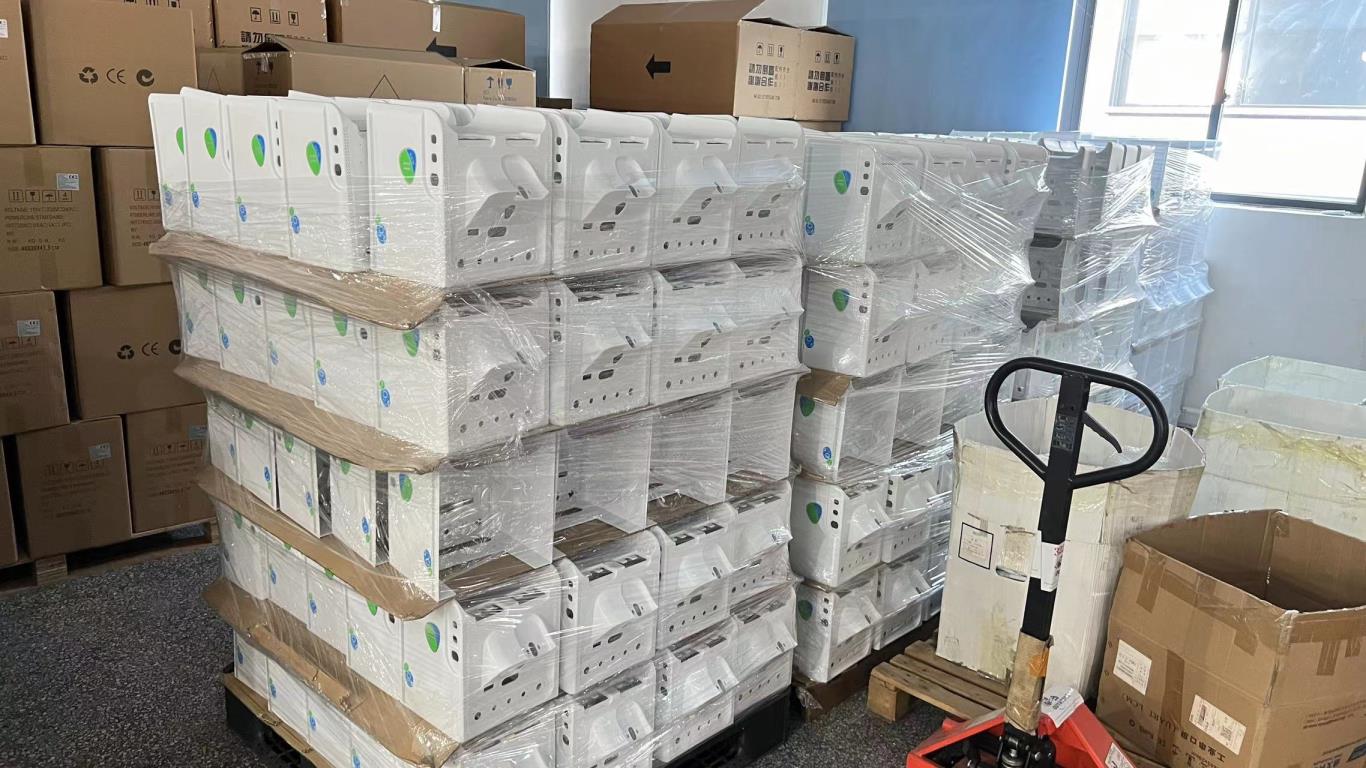
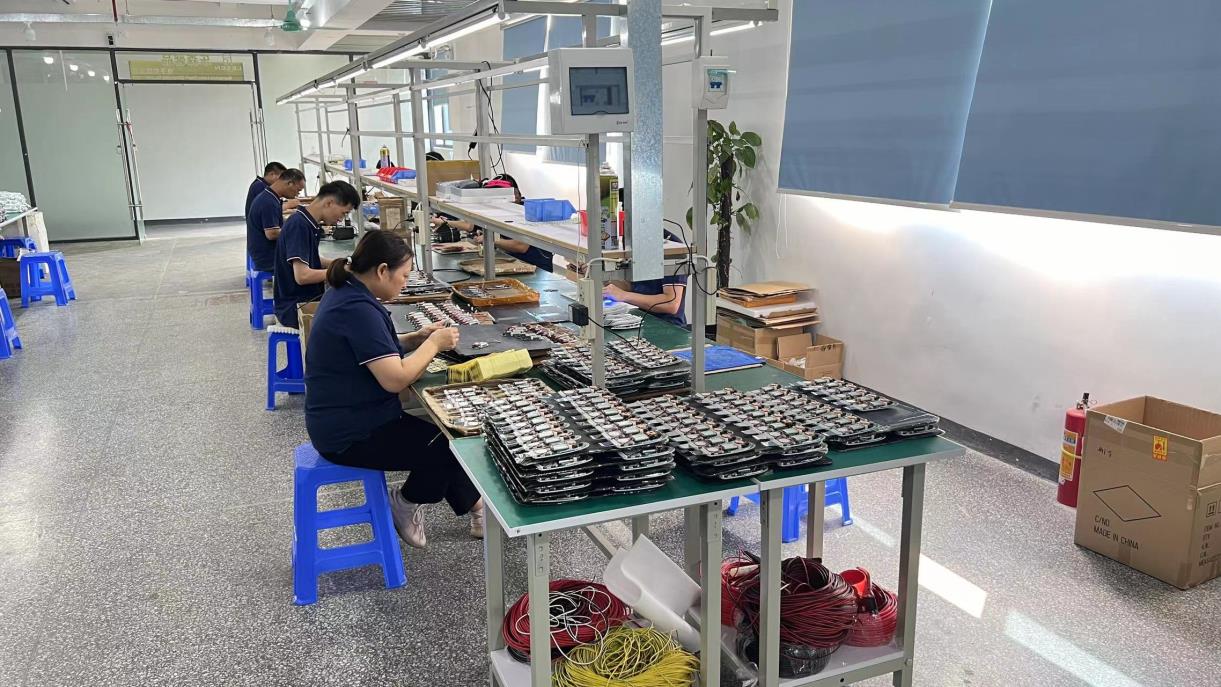
Shenzhen Yiki Beauty Co., Ltd. is an established manufacturer specializing in the research, design, production, and global distribution of advanced aesthetic and medical beauty equipment. The company's engineering team handles the entire lifecycle of device creation—ranging from initial industrial outer shell design and electronic control systems to physical assembly, testing, and final quality control.
Yiki Beauty aims to simplify the product development pipeline for global distributors by providing comprehensive OEM and ODM solutions. The company supports partners by offering custom designs, tailored software interfaces, and structural modifications to meet specific local market regulations.
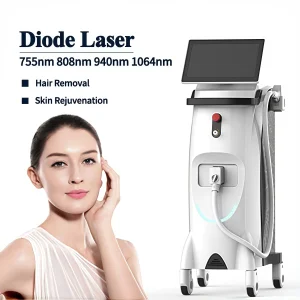
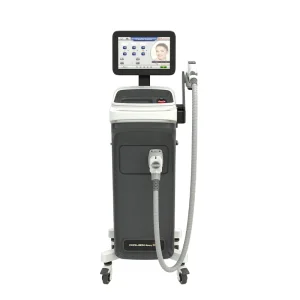
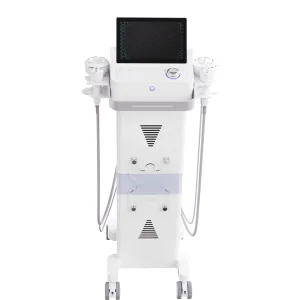
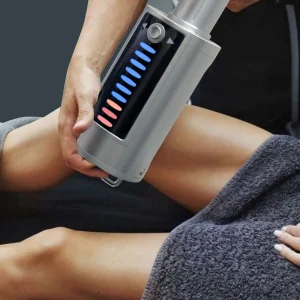
The company’s broad product line covers several major aesthetic technologies:
Exporting to over 15 major international markets, including the United States, Germany, the United Kingdom, Australia, Canada, Italy, and Spain, Yiki Beauty maintains a reliable supply chain. This global footprint makes the company a trusted B2B partner for distributors and aesthetic clinics seeking reliable, certified aesthetic machinery.
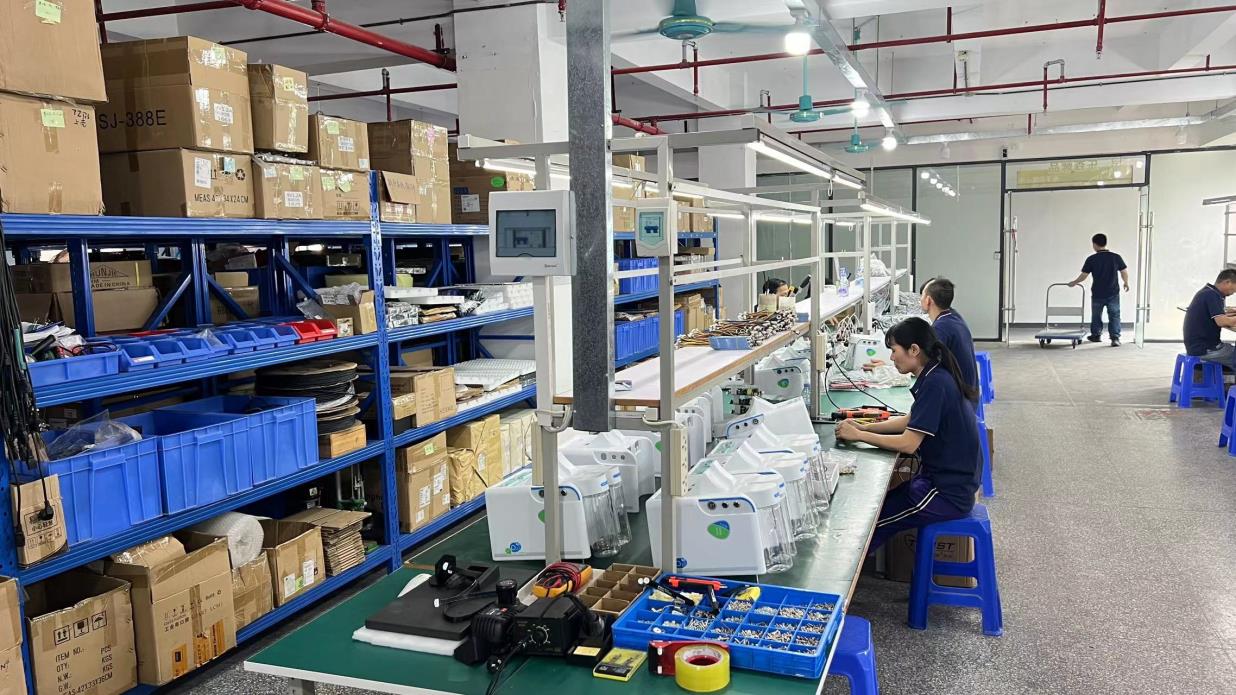
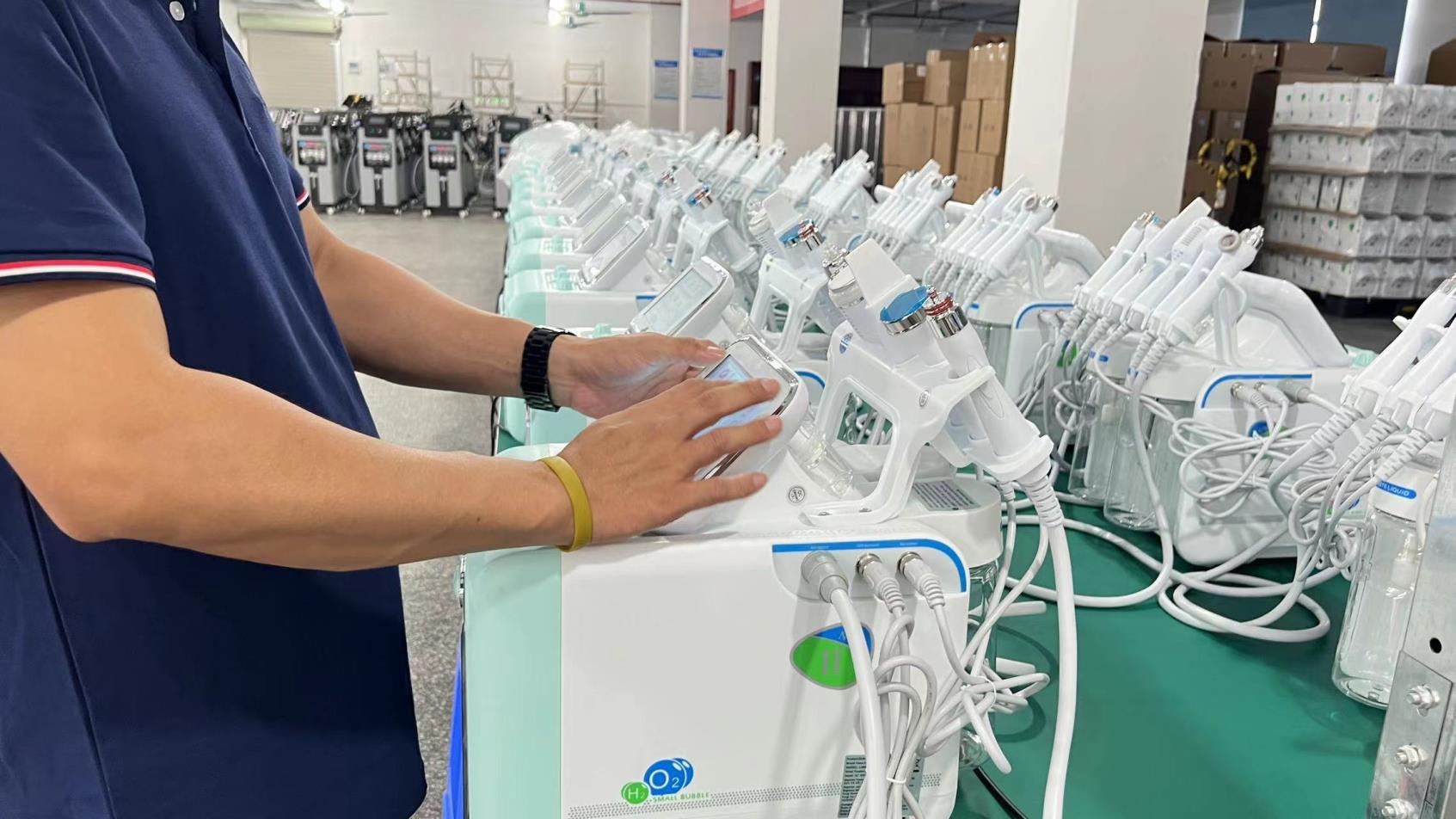
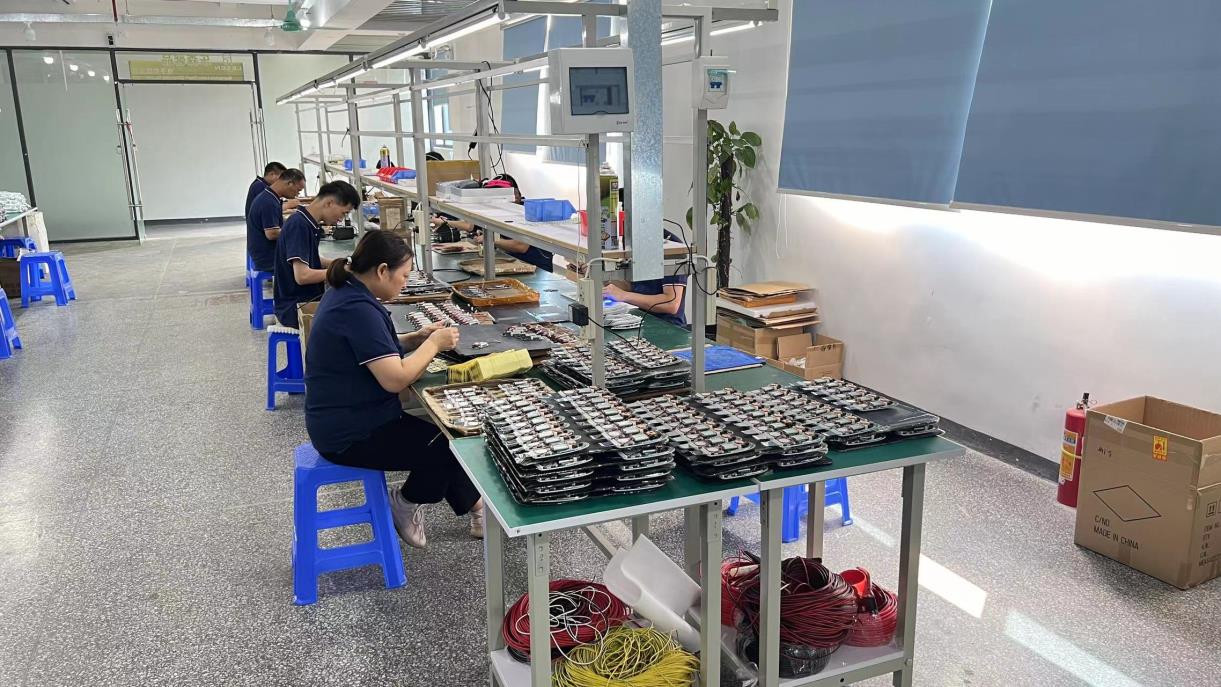
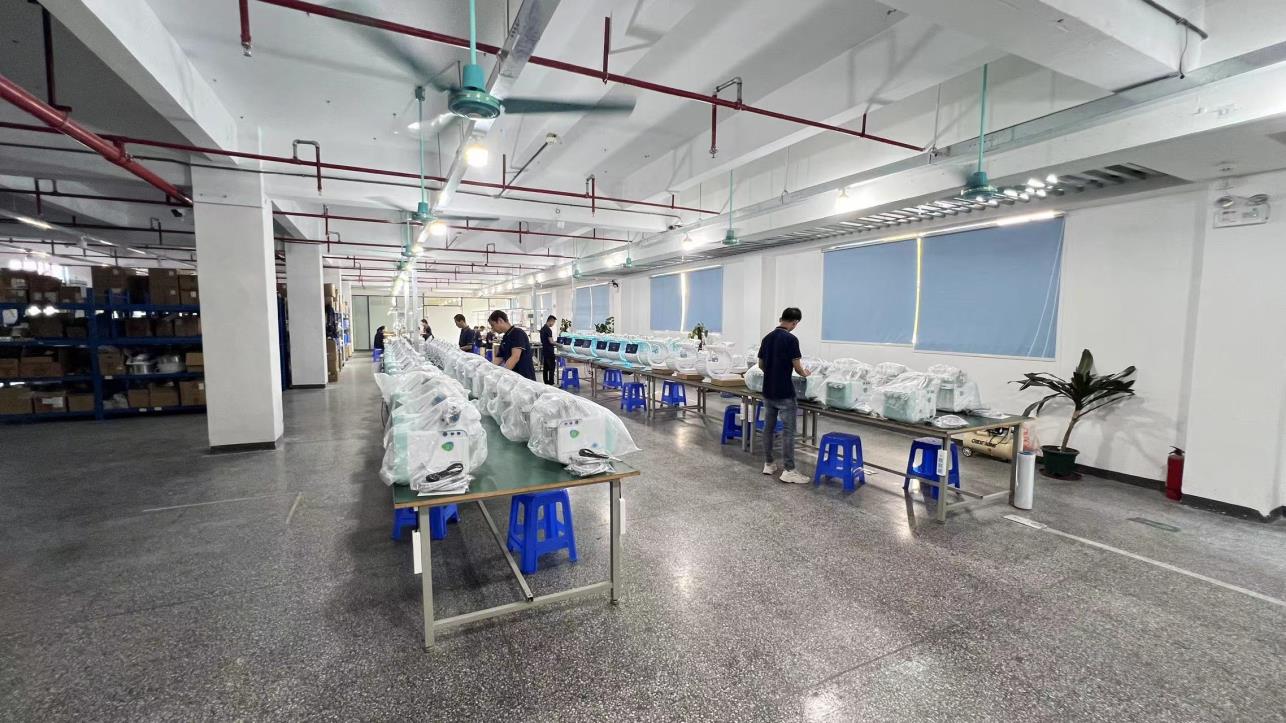
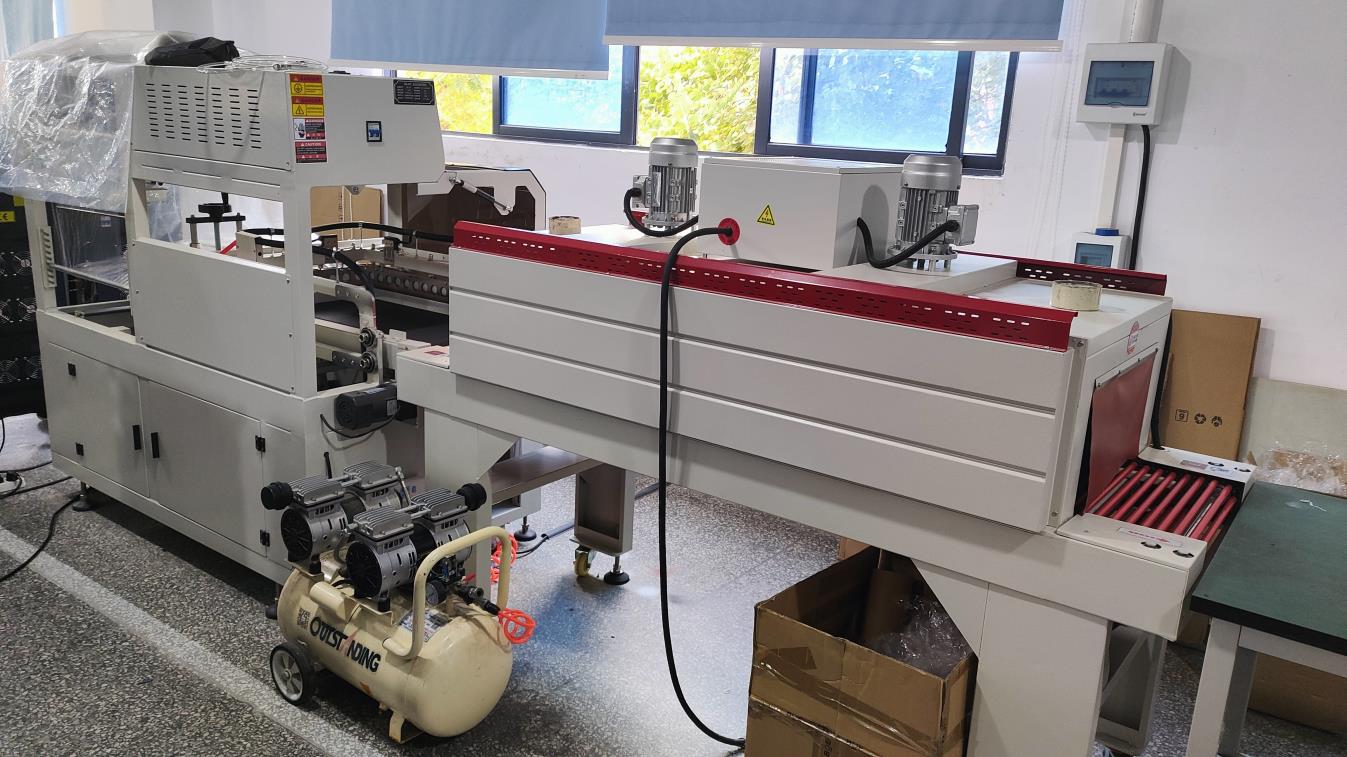
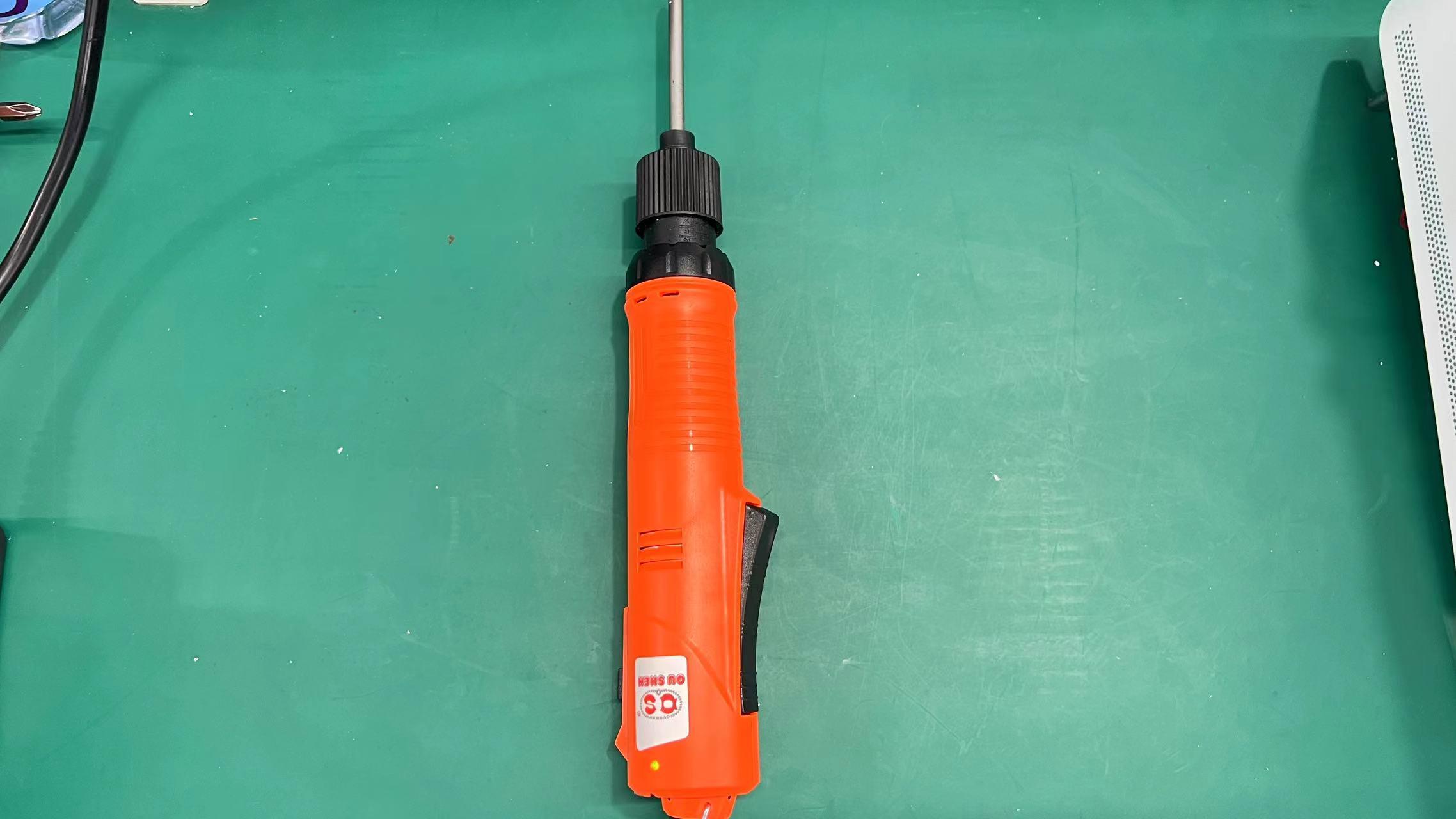
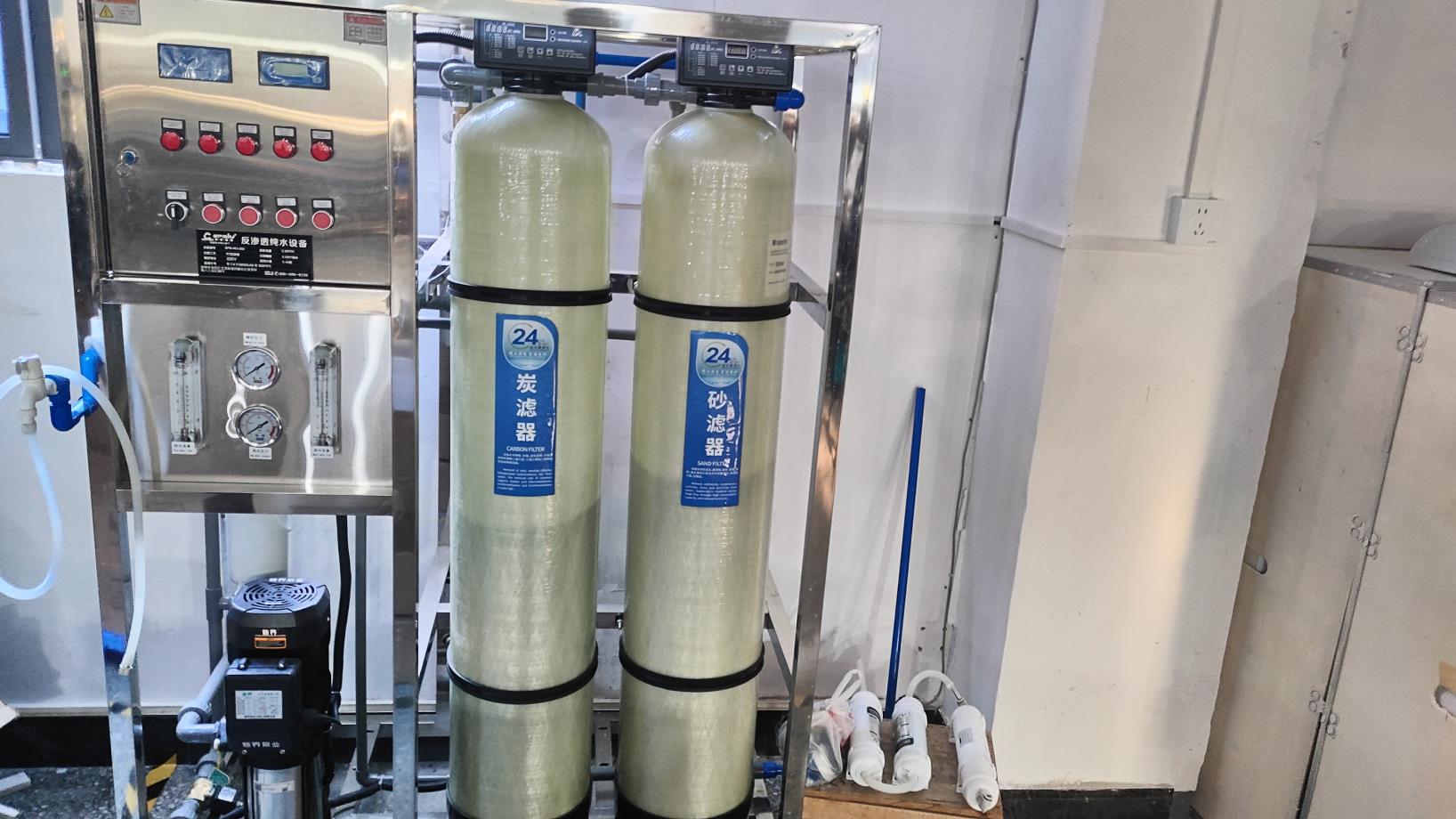
Because medical-grade fat freezing units operate at sub-zero temperatures, regulatory bodies monitor these systems closely. Distributors importing into the EU, US, and Latin America must verify safety documentation before importing.
Professional suppliers must meet several standards to ensure global product compliance:
To prevent shipping delays and customs holds, international buyers should request detailed documentation before shipping. A reliable manufacturer will provide certificates of conformity, full EMC test records, and comprehensive user manuals that meet global standards.
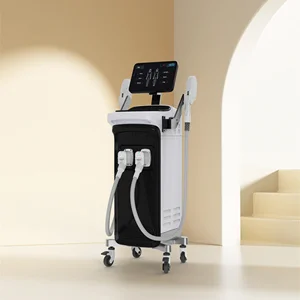
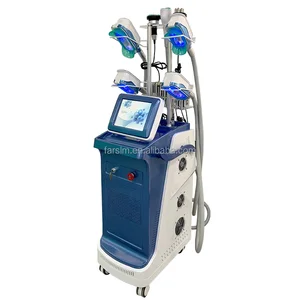
The primary clinical challenge with cryolipolysis is delivering sufficient cooling energy to freeze targeted fat cells while preventing superficial thermal injury. High-quality factories resolve this by adding real-time thermal sensors into each applicator.
Anti-freeze membranes are pre-saturated with a specialized glycol-based liquid solution. During treatment, this membrane acts as a protective thermal barrier, lowering the freezing point of water on the skin's surface and preventing frostbite while allowing fat tissue underneath to reach target cooling temperatures.
A professional fat freezing machine uses proportional-integral-derivative (PID) controllers to maintain steady cooling. Instead of simple on/off cooling cycles, PID controllers dynamically adjust power to the thermoelectric cooling (TEC) plates based on temperature sensor feedback. This keeps the applicator temperature stable within a tight range, ensuring safe and consistent treatment.
An effective medical-grade cryolipolysis device must maintain applicator temperatures between -5°C and -11°C. Modern systems can set target temperatures down to -15°C, which helps cool applicator cups quickly and ensures target fat tissue stays within the optimal temperature range for fat cell removal.
Standard flat plates only cool from two sides, which can leave warm areas in the center of the treatment cup. A 360° surround cup delivers cooling energy across the entire inner surface, ensuring even exposure, shortening treatment times by about 30%, and improving fat reduction results.
Importing into the European Union requires CE certification under the Medical Device Regulation (MDR) or General Product Safety directives. For the United States, importing medical body contouring equipment requires FDA 510(k) clearance or registration under specific aesthetic device categories.
Manufacturers prevent frostbite through two primary methods: using high-quality anti-freeze membranes that protect the skin surface, and integrating thermal sensors inside the cooling handpiece to monitor temperature in real time and automatically shut down the system if it drops below safe levels.
Yes, professional factories like Shenzhen Yiki Beauty Co., Ltd. offer comprehensive OEM and ODM support. This includes adding custom logos to the machine's body, modifying handpiece configurations, and updating the software interface with custom brand colors and startup screens.
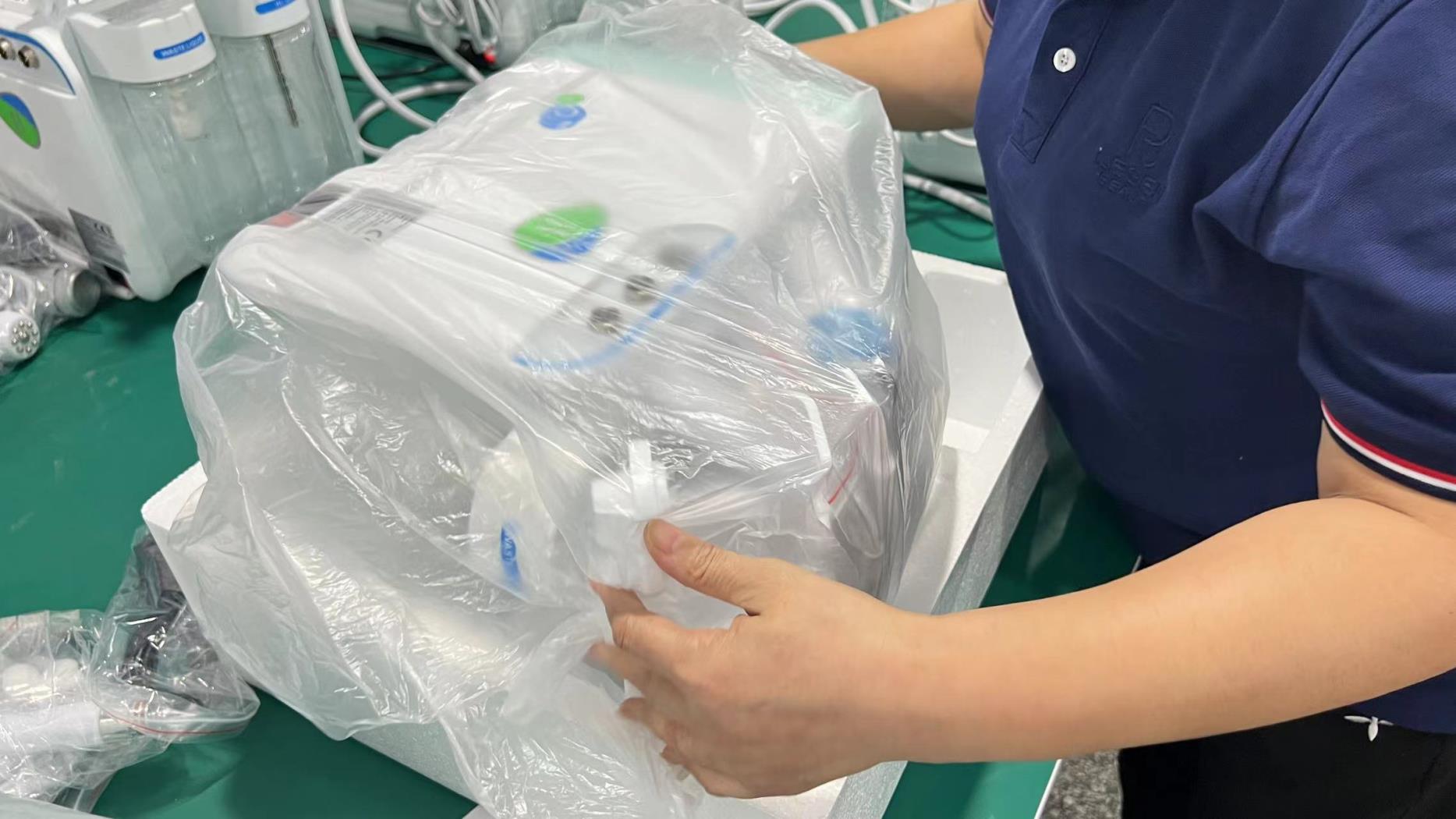
Typical manufacturing lead times range from 7 to 15 working days, depending on configuration and customization options. Shipments are typically packaged in reinforced flight cases or padded wooden boxes to prevent damage, and sent via air express or sea freight with comprehensive tracking.
 Yiki Beauty