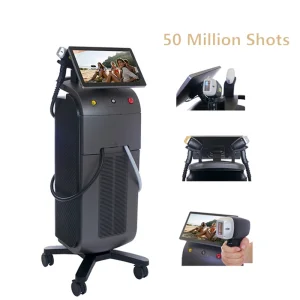
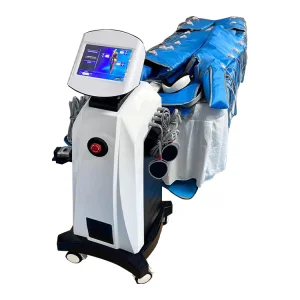
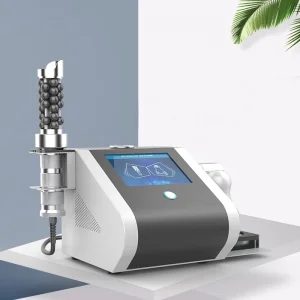
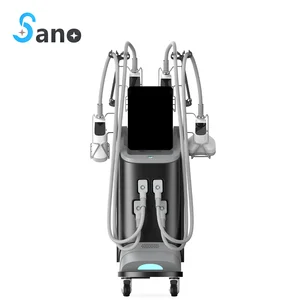
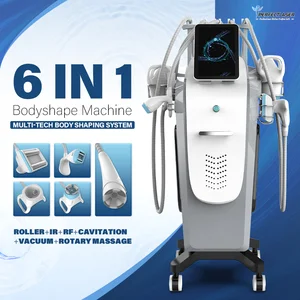
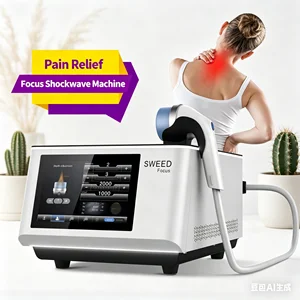
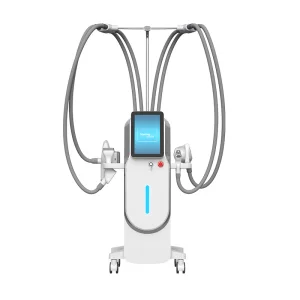
The global demand for non-invasive medical aesthetics and wellness treatment modalities has experienced exponential growth over the past decade. Driven by shifts in consumer preferences toward minimal downtime, safety, and highly targeted results, technologies such as high-intensity focused electromagnetic therapy (HI-EMT), cryolipolysis, radiofrequency (RF) vacuum massage, and shockwave therapy have transitioned from luxury clinical alternatives to fundamental staples of modern aesthetic infrastructure.
For international distributors, spa chains, franchise clinics, and wellness brands, selecting a manufacturing partner is no longer just about acquiring hardware. It requires navigating complex global regulatory frameworks, assessing the R&D maturity of suppliers, verifying engineering and assembly practices, and evaluating localized technical support systems. This whitepaper analyzes the top structural criteria that define premium body wellness equipment manufacturers, explores the unique industrial advantages of China's advanced manufacturing hubs, and provides a comparative reference framework for global B2B procurement decision-makers.
Leading medical-spa and cosmetic clinic systems do not source devices in isolation. They evaluate the longevity of the partner’s industrial design, the modularity of their internal board layouts (which dictates maintenance ease), and the manufacturer's ability to facilitate custom firmware changes (UI/UX localization). Aligning with a partner capable of unified OEM/ODM product cycles reduces time-to-market by up to 45% compared to purchasing from secondary trading brokers.
To qualify as an elite global manufacturer of advanced aesthetic machinery, players must possess integrated operations. These encompass deep electronic engineering expertise, ISO-certified assembly practices, strict internal quality assurance, and proactive post-sale servicing architectures. The following list represents the benchmark attributes and categories that define the world's top manufacturers:
Top-tier manufacturers maintain complete design ownership, encompassing PCB layout design, custom firmware architecture, industrial design, and cooling system engineering. This eliminates third-party licensing delays and guarantees robust quality control.
Global distribution necessitates adhering to strict regulatory certifications, including CE Medical Device Regulation (MDR 2017/745), FDA clearance, ISO 13485 quality systems, RoHS compatibility, and IEC electrical safety testing standards.
Medical-grade aesthetic outcomes rely on precision calibration. Elite manufacturers deploy automated oscilloscopes and laser power meters to verify that diode outputs, RF cycles, and electromagnetic fields function within clinical parameters.
Beyond European and American pioneers who traditionally commanded high premiums for brand equity, East Asian manufacturers—predominantly located in Shenzhen, China, and Seoul, Korea—have rapidly evolved to provide equivalent medical-grade performance. By combining high-density component supply chains with advanced assembly techniques, they offer superior return-on-investment (ROI) structures for global wellness networks.
Shenzhen Yiki Beauty Co., Ltd. is a professional enterprise integrating R&D, design, manufacturing, and global sales of advanced aesthetic and beauty equipment. The company is built by a team of experienced technical engineers and product designers, with fully in-house capabilities ranging from industrial appearance design and electronic system development to assembly, testing, and packaging.
Yiki Beauty is committed to providing a true one-stop solution for global customers, helping partners reduce complexity in product development, production, and branding. By combining innovative engineering with practical clinical and salon applications, the company continuously delivers safe, effective, and market-oriented beauty devices.
With a strong focus on quality control and technological innovation, Shenzhen Yiki Beauty Co., Ltd. supports OEM and ODM services, as well as private label branding. The company adheres to strict international quality standards and strives to build long-term partnerships with distributors, clinics, salons, and beauty chains worldwide.
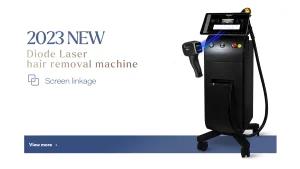
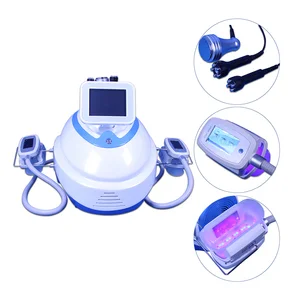
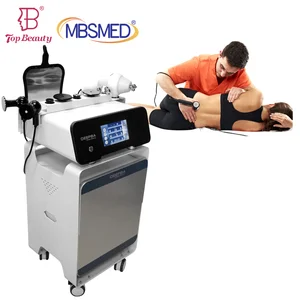
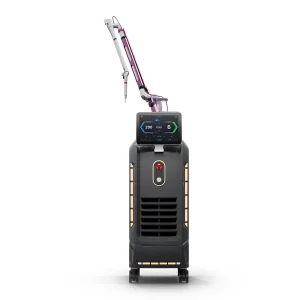
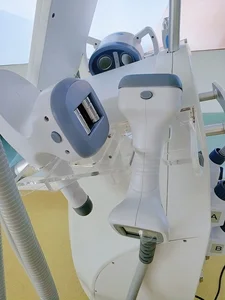
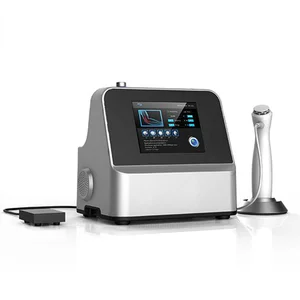
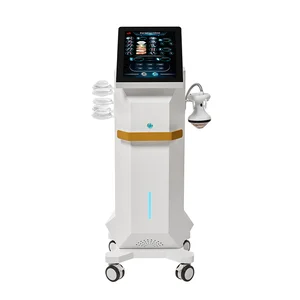
The company’s product portfolio covers a wide range of advanced aesthetic technologies, including: HI-EMT body contouring machines, laser hair removal systems, Vela body shaping devices, shockwave therapy machines, TECAR therapy equipment, air pressure lymphatic drainage systems, 4D HIFU ultrasound machines, tattoo removal lasers, hydra dermabrasion systems, plasma pens, and various home-use beauty devices. Yiki Beauty exports to more than 15 major markets, including the United States, Germany, Australia, Canada, Italy, France, the United Kingdom, Spain, Russia, the Netherlands, Switzerland, Ukraine, Poland, Turkey, and Belgium, while continuously expanding its global footprint in emerging markets.
To ensure the performance, electrical safety, and output stability of complex therapeutic machinery, Shenzhen Yiki Beauty Co., Ltd. enforces an audited, multi-stage production protocol. Every device follows a highly structured manufacturing pathway, documented below from raw material sourcing to export-ready packaging:
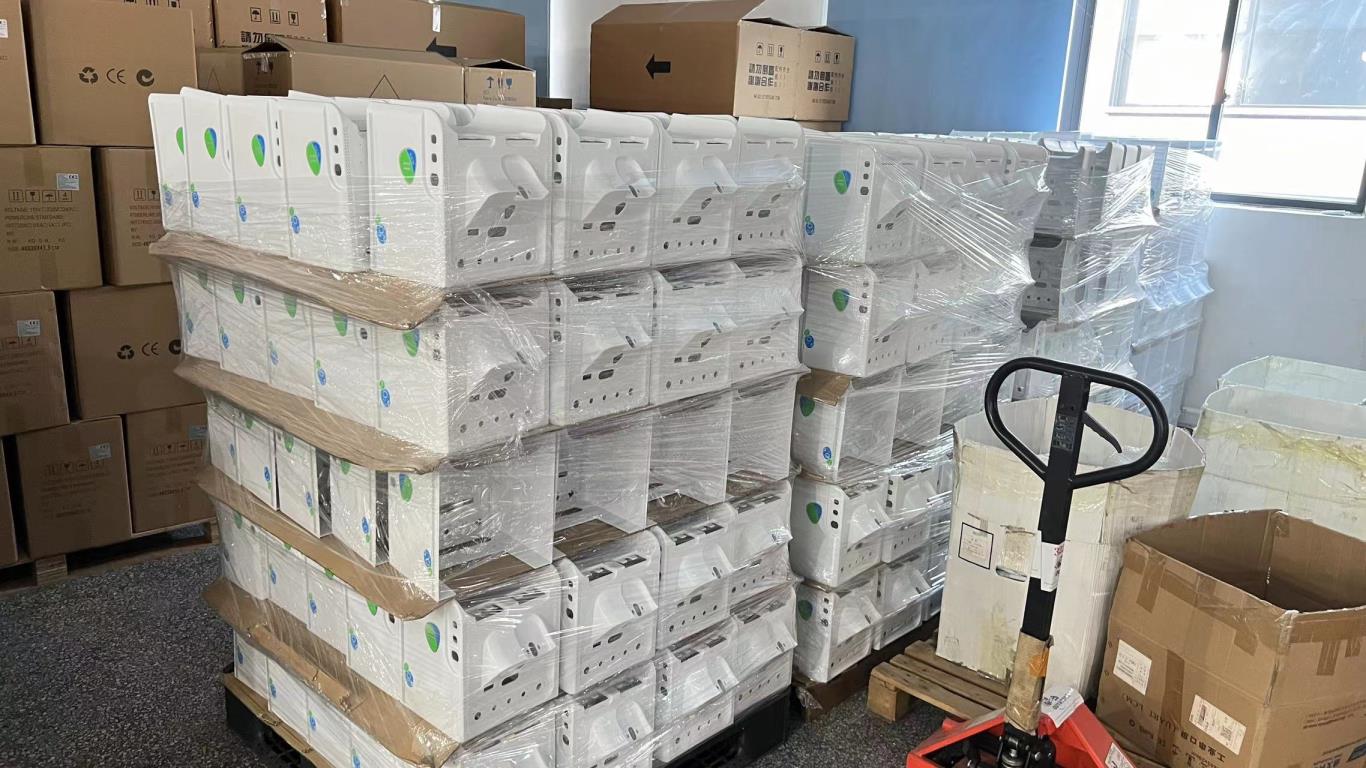
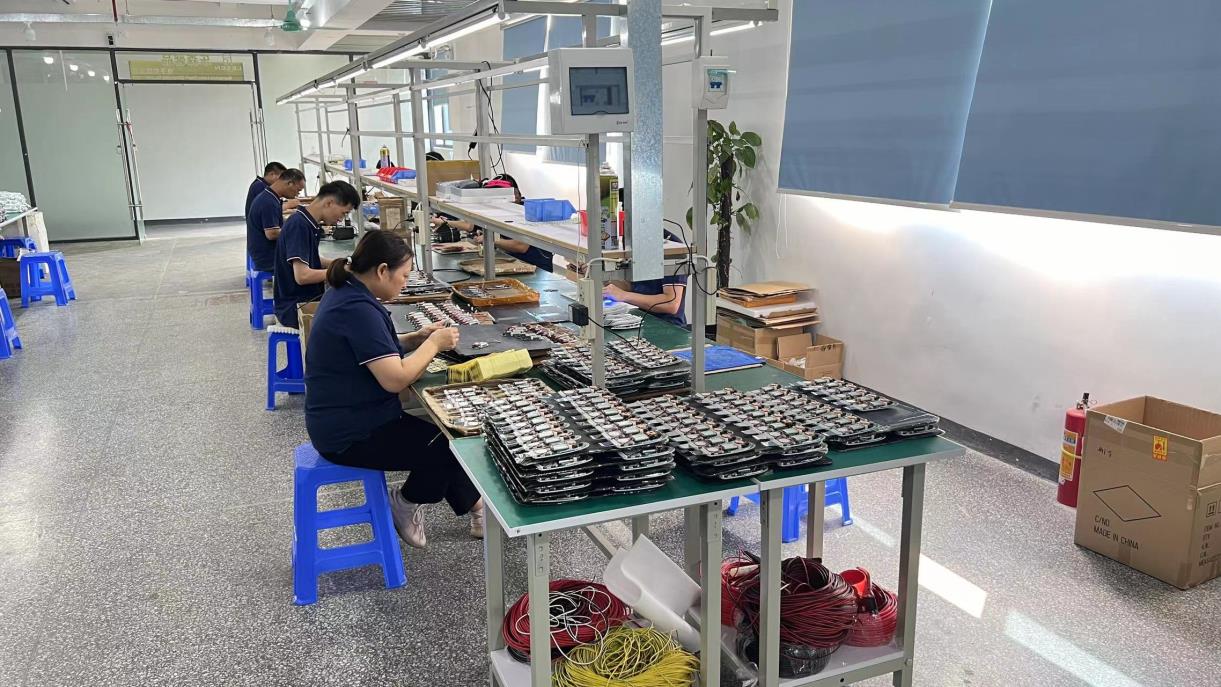
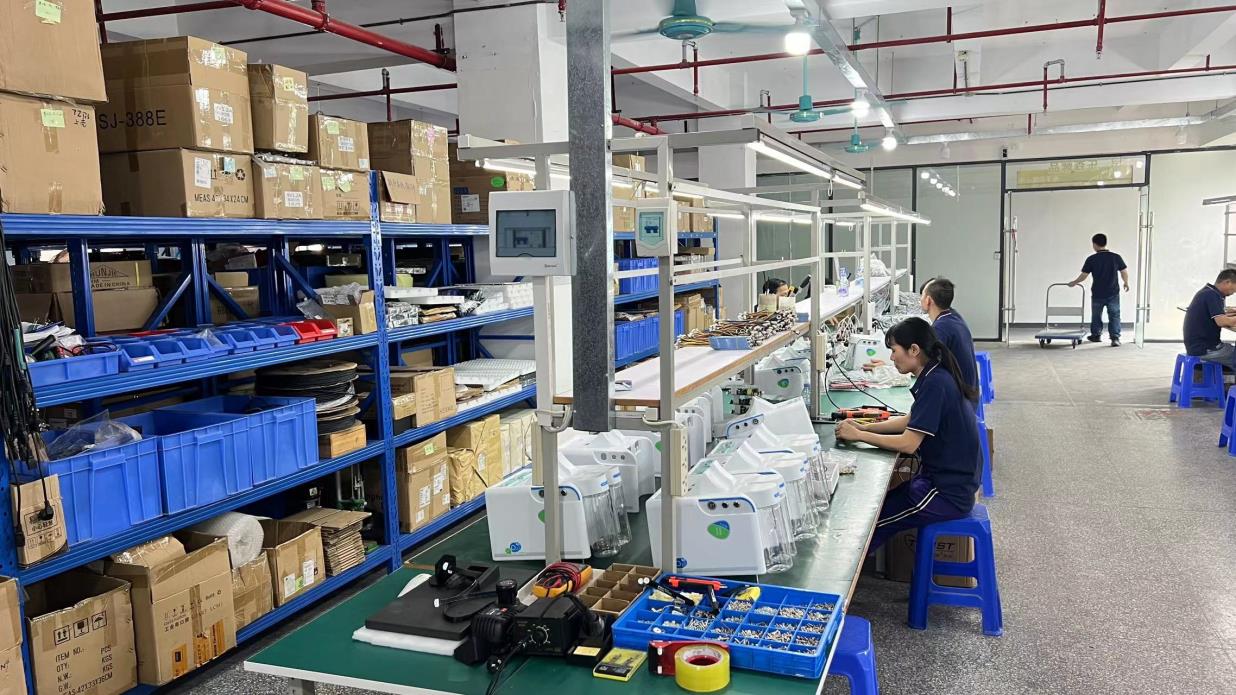
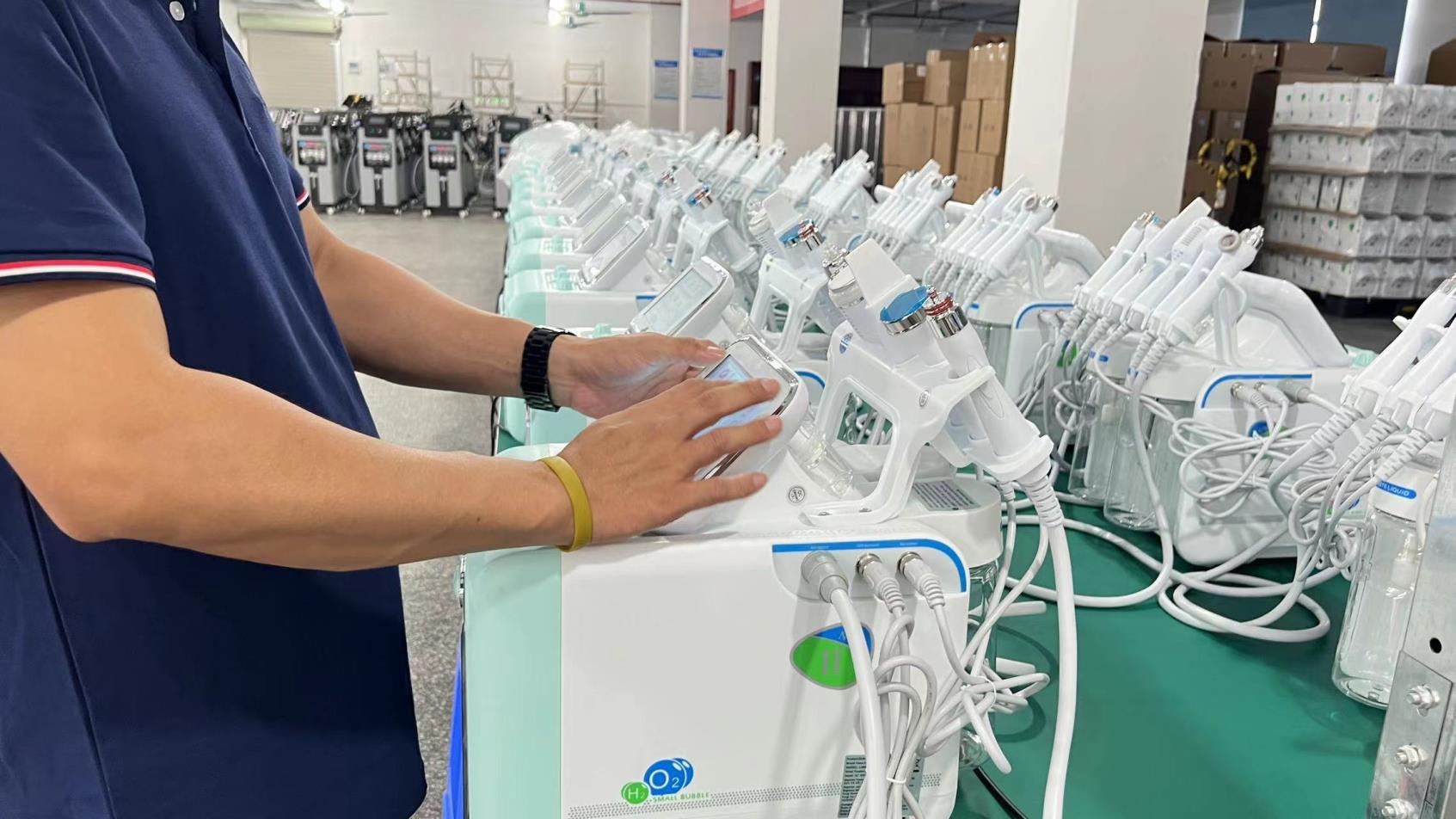
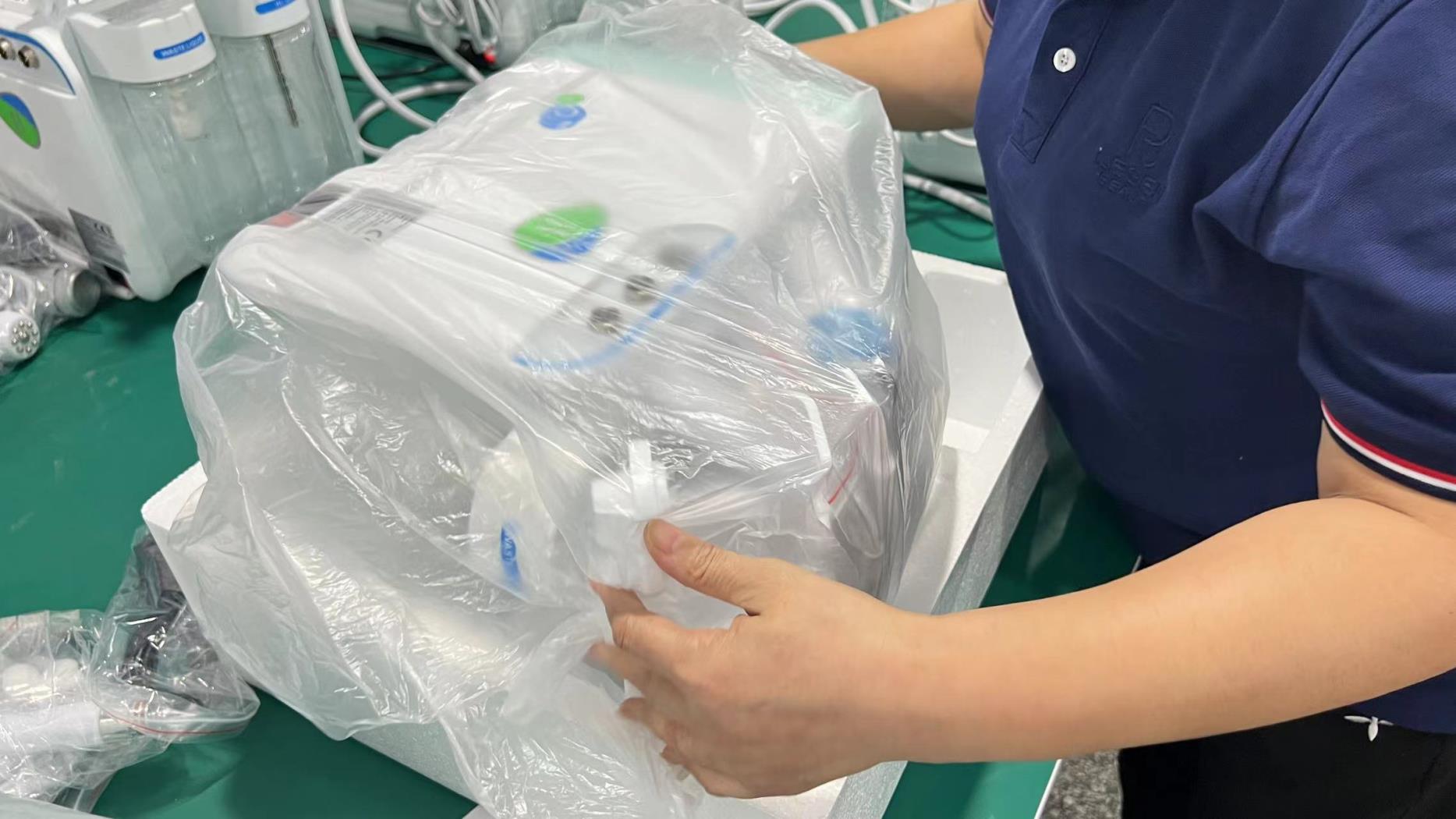
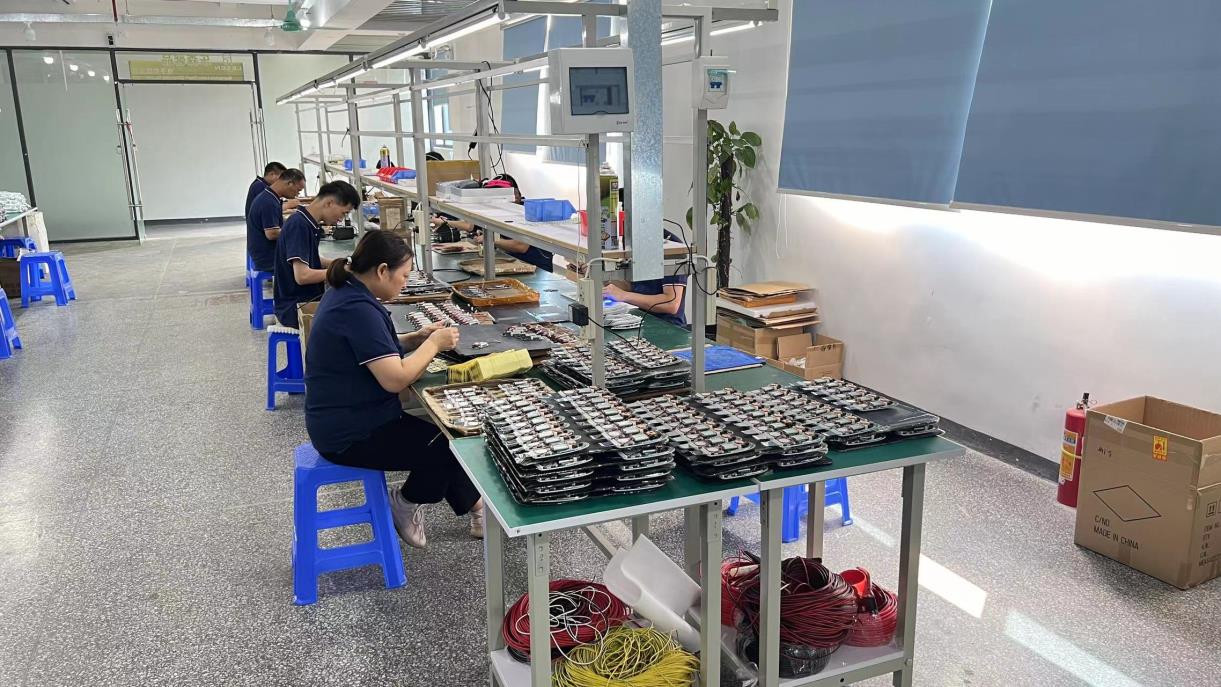
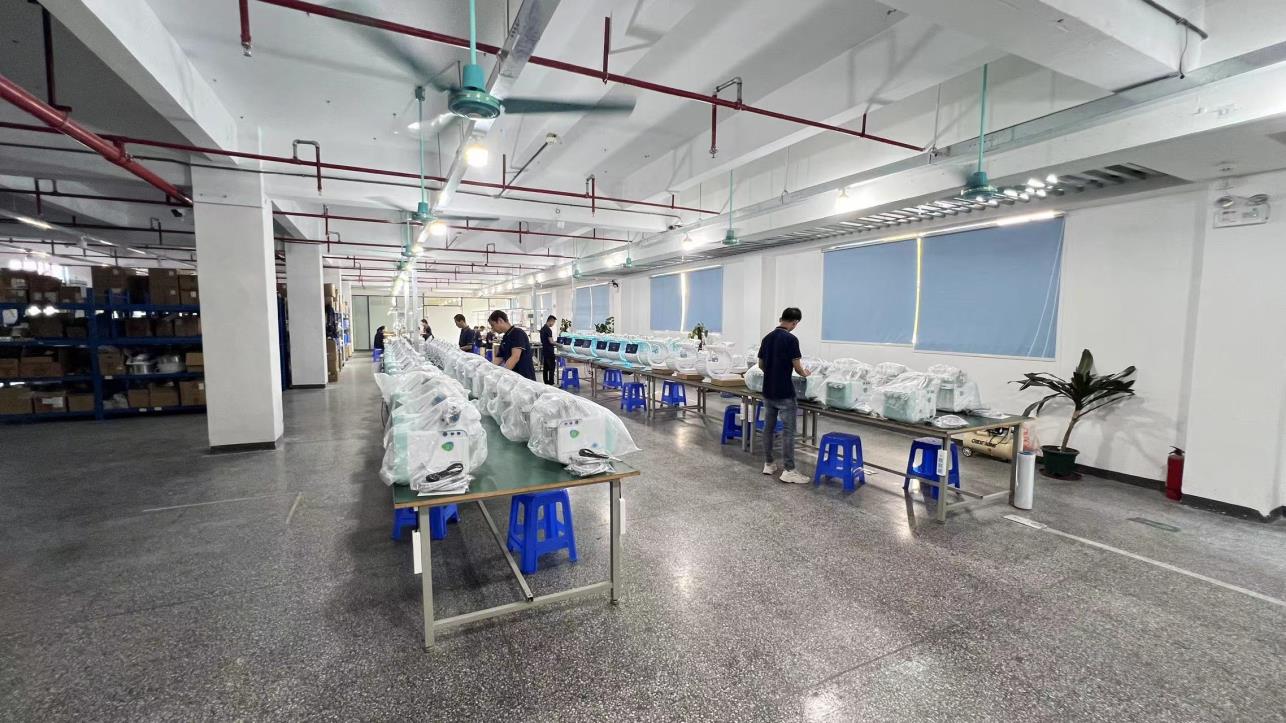
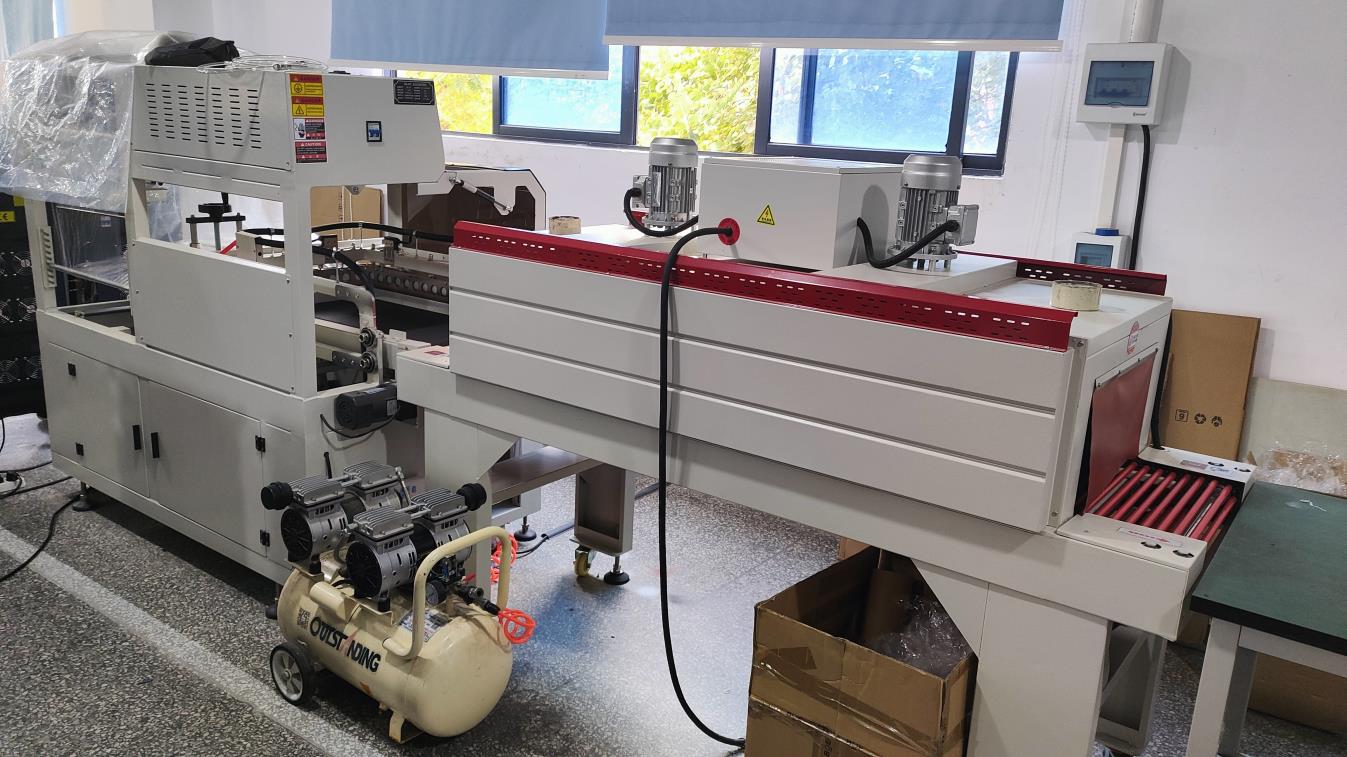
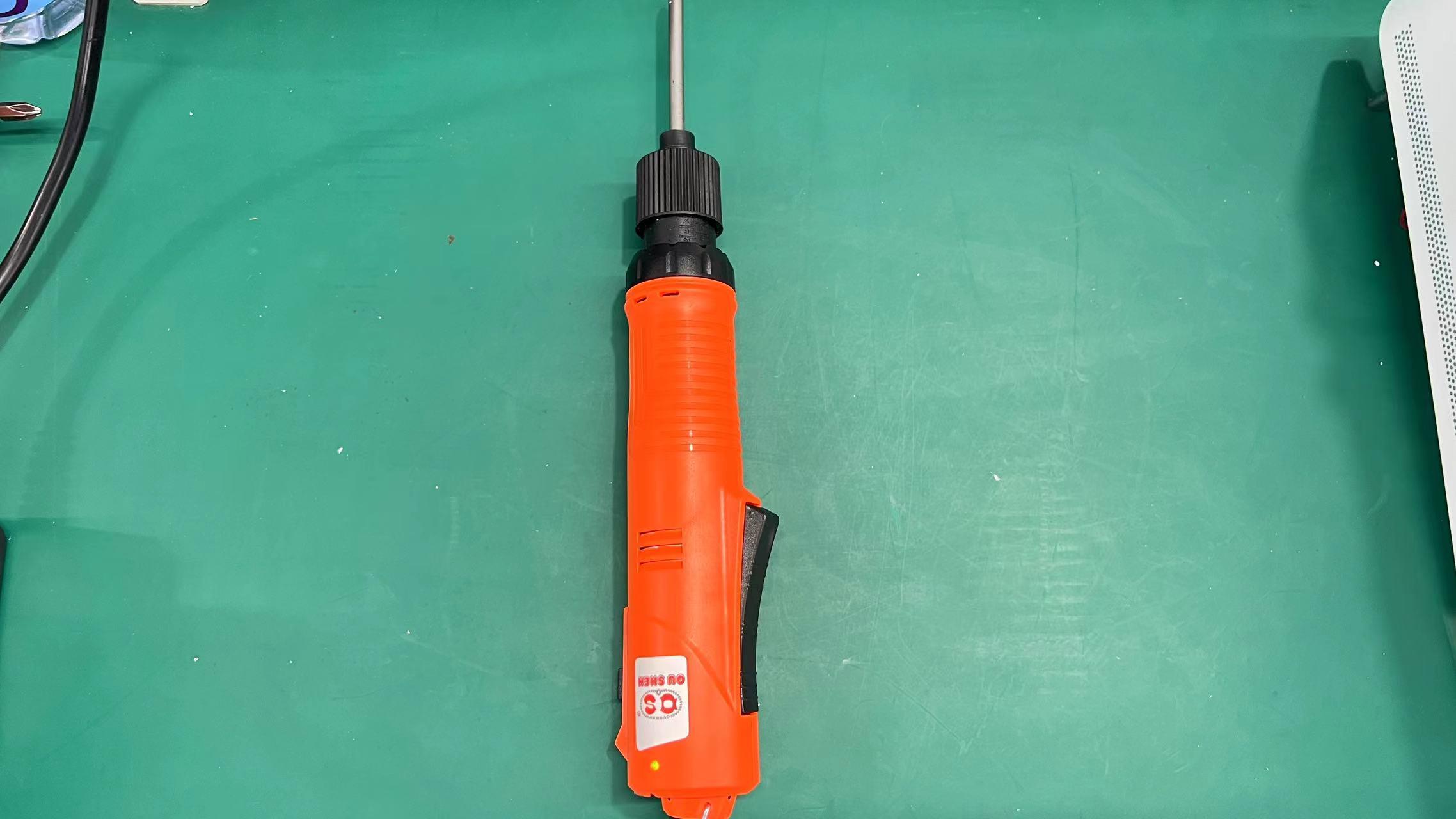
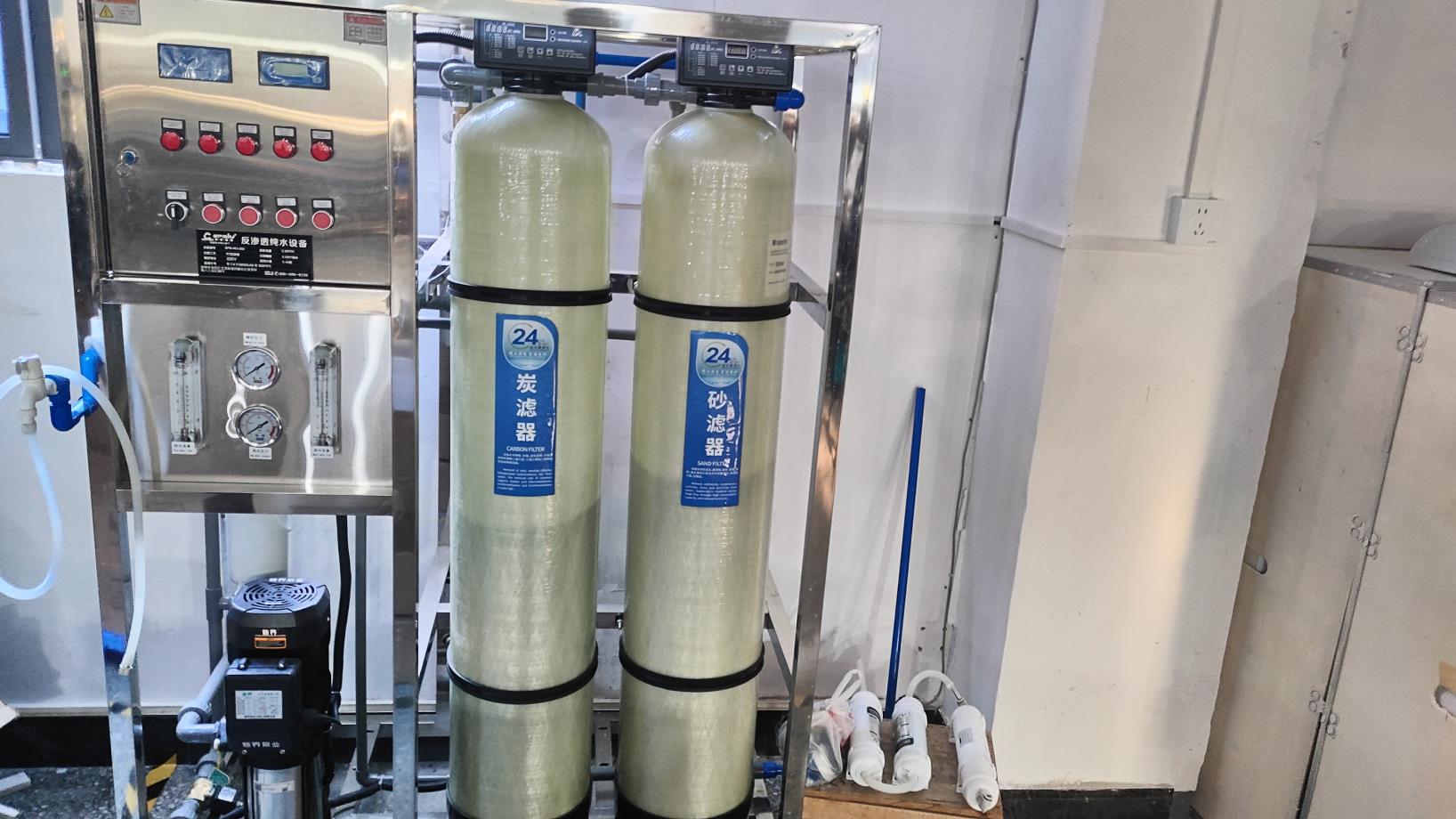
China, particularly the Shenzhen-Dongguan industrial corridor, manufactures a major share of the world’s electronic and optoelectronic hardware. This high concentration of components, logistics, and engineering talent has transformed Chinese factories from basic assemblers into hubs of technological innovation.
The primary benefit of this localized ecosystem is speed and cost efficiency. In traditional western manufacturing setups, sourcing customized injection-molded chassis, high-voltage power supplies, or specialized laser diode modules requires coordinating with vendors across multiple countries. This introduces customs delays and significant logistical markups.
In Shenzhen, all components are sourced from specialized local suppliers, including:
Furthermore, this cluster allows for real-time iterative prototyping. An OEM design modification that might take three to six months in other manufacturing centers can be completed, prototyped, tested for safety, and readied for production in weeks. This agility enables global brands to respond quickly to emerging aesthetic trends.
Operating in international markets requires navigating complex local regulatory frameworks and ensuring long-term product serviceability. Elite body wellness manufacturers prioritize comprehensive localization support and global compliance.
To be distributed and operated in clinical environments, equipment must meet strict international standards:
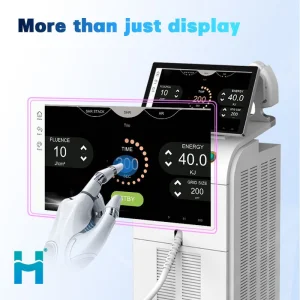
Modern aesthetic systems feature high-definition touchscreens running proprietary software. Quality manufacturers provide multi-language UI support (e.g., Spanish, German, French, Arabic, Italian) to ensure local operators can configure treatments accurately. They also allow for the integration of custom branding and logo configurations directly into the boot screen.
A clinic's biggest risk is machine downtime. Premium manufacturers offer modular component engineering, allowing local technicians to swap out plug-and-play components (like power supplies, pumps, or control boards) rather than shipping entire units back to the factory. They also provide comprehensive video training databases and digital manuals.
Enterprise buyers—including distributors, multi-site franchise clinics, and large resort spas—must mitigate risk during the purchasing process. The following framework outlines a structured vetting procedure for high-value aesthetic equipment orders:
The aesthetic device industry is evolving rapidly, driven by automation and connectivity. Key trends shaping the future of these technologies include:
Understanding how target consumers utilize aesthetic systems helps clinics select the right technology mix for their specific business models:
 Yiki Beauty