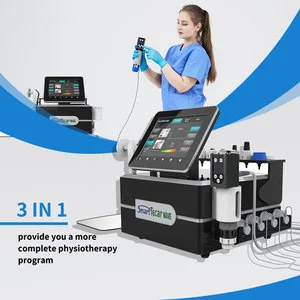
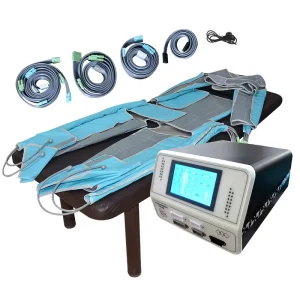
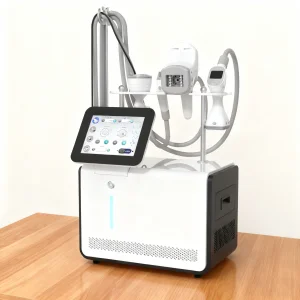
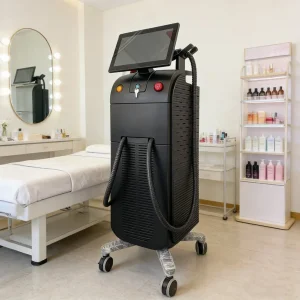
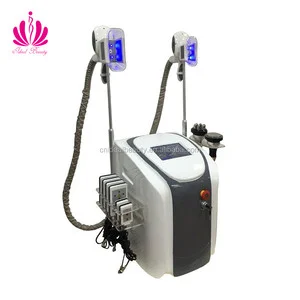
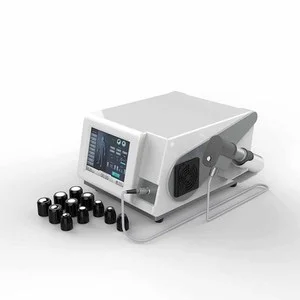
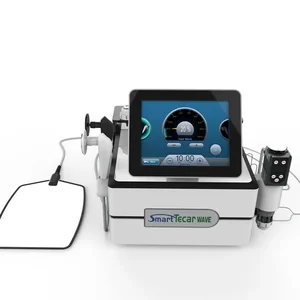
Explore our premium machinery array integrating advanced clinical energy profiles and system architectures for top-tier skincare results.
Global Export Markets
Advanced Technologies R&D
In-House Testing & Quality Check
Rapid Engineering Support
In the highly competitive medical aesthetics and professional beauty markets, data validation is no longer optional; it is the cornerstone of clinical efficacy and client conversion. A modern Skin Analyzer Machine acts as the diagnostic interface between practitioner expertise and patient confidence. By converting invisible physiological markers into measurable digital parameters, these devices quantify skin pathology with scientific precision.
To support corporate procurement leads, aesthetic chains, and global distributors, this white paper outlines the core technologies, manufacturing methodologies, and quality standards driving the development of next-generation skin diagnostic instruments.
Advanced diagnostic skin systems rely on precise wavelengths of light to evaluate different structures within the dermal and epidermal layers:
Static imaging is only the first step. The value of modern skin analysis lies in the diagnostic engine. By integrating neural networks trained on millions of dermatological images, our systems compare real-time multi-spectral captures against validated datasets. This enables automated, objective scoring of skin conditions like hydration levels, sebum excretion index, structural elasticity, and chronological aging progression. These data points allow clinics to build targeted, traceable skin care regimes and objectively prove treatment success.
How Shenzhen Yiki Beauty Co., Ltd. transitions abstract client specifications into market-leading, clinically validated aesthetic devices.
We craft ergonomic, modern housing designs that match your brand identity. Using 3D prototyping and advanced CNC machining, we validate structure and heat dispersion before high-volume mold tooling begins.
Our software team provides customizable options, including UI modifications, local database setups, and robust REST APIs. This allows seamless integration of diagnostic data with your existing ERP, CRM, or client management software.
Our designs meet strict safety and security standards, including CE (LVD/EMC) and RoHS. We also implement secure data handling processes to support GDPR and HIPAA compliance for sensitive patient records.
Under the strict supervision of Shenzhen Yiki Beauty Co., Ltd., we combine lean production methods with rigorous quality controls to ensure consistent equipment quality.
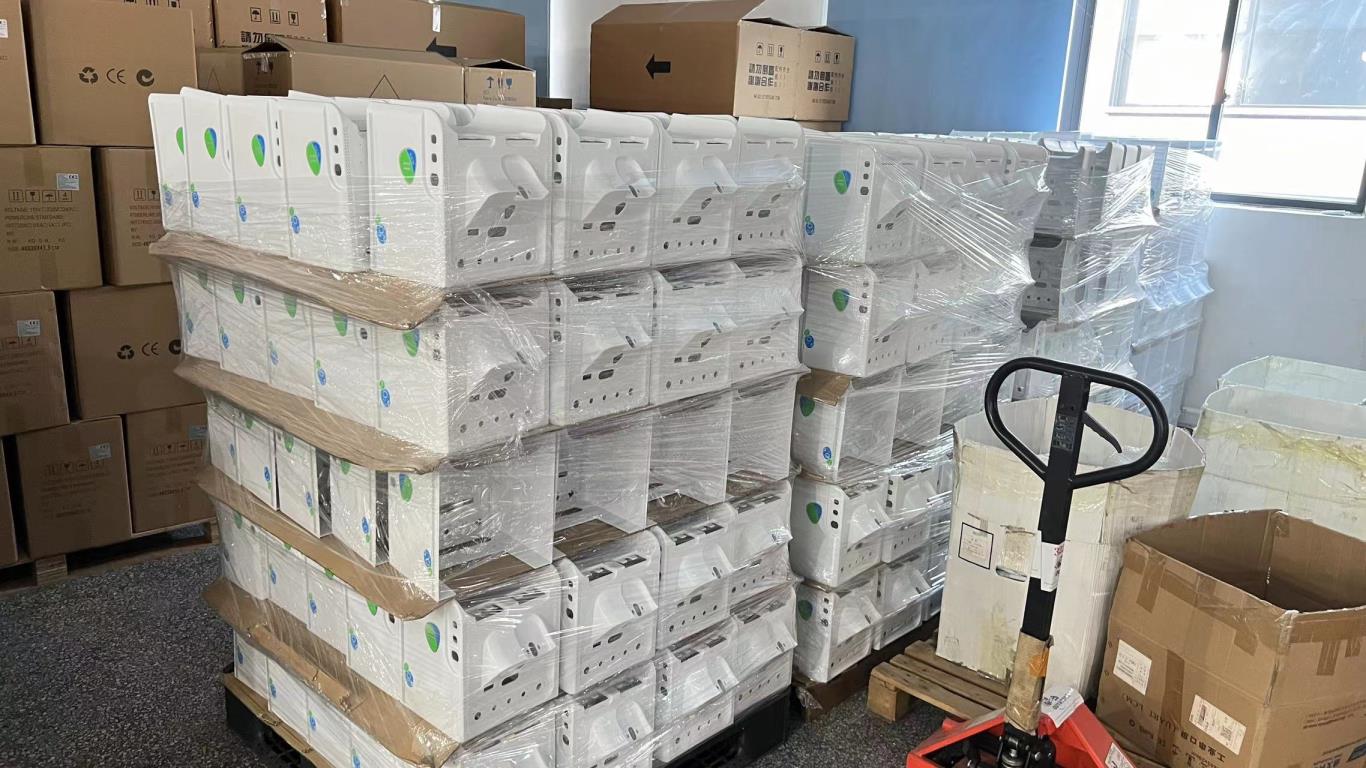
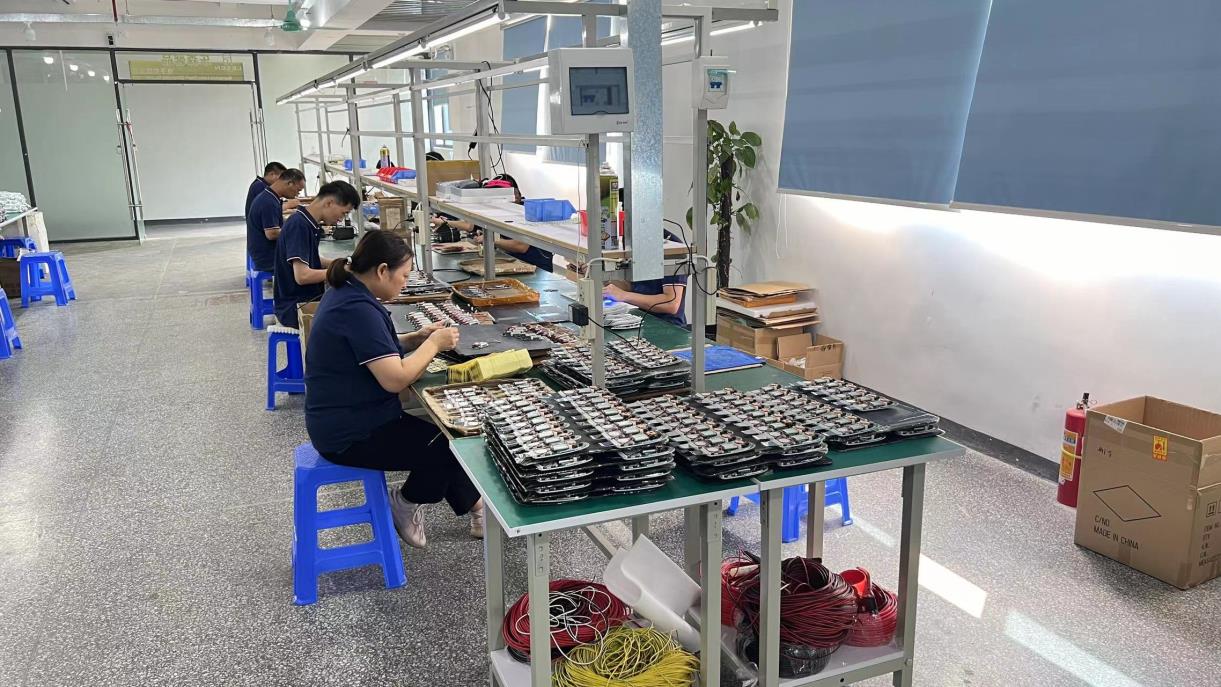
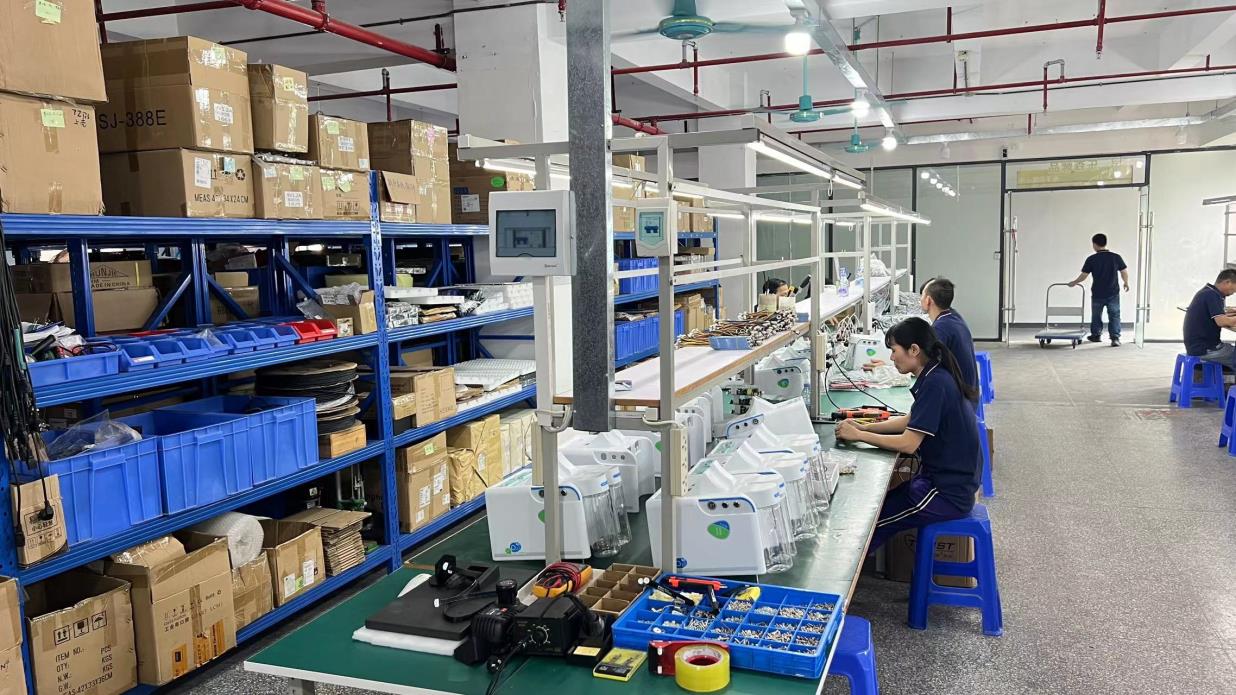
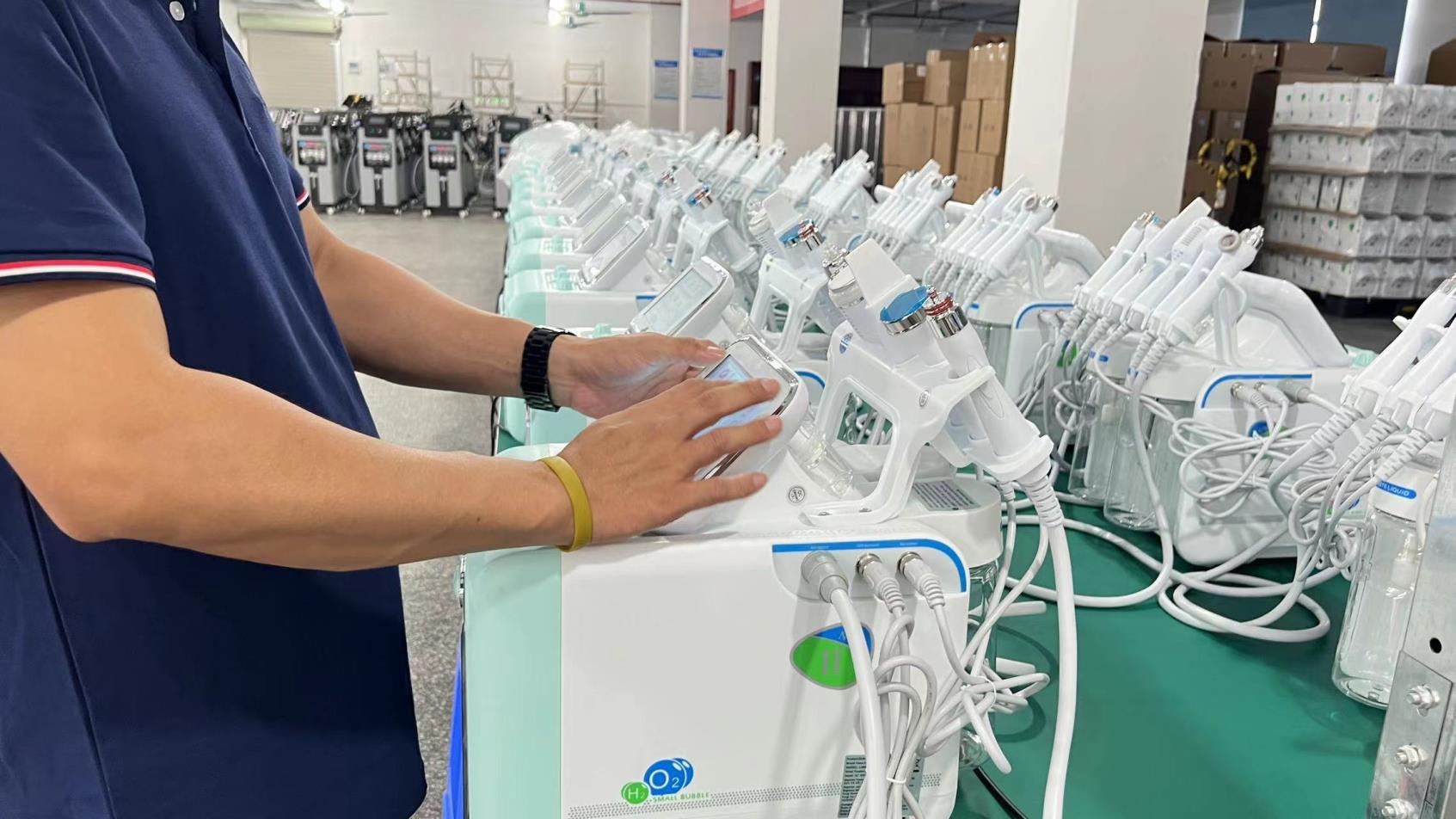
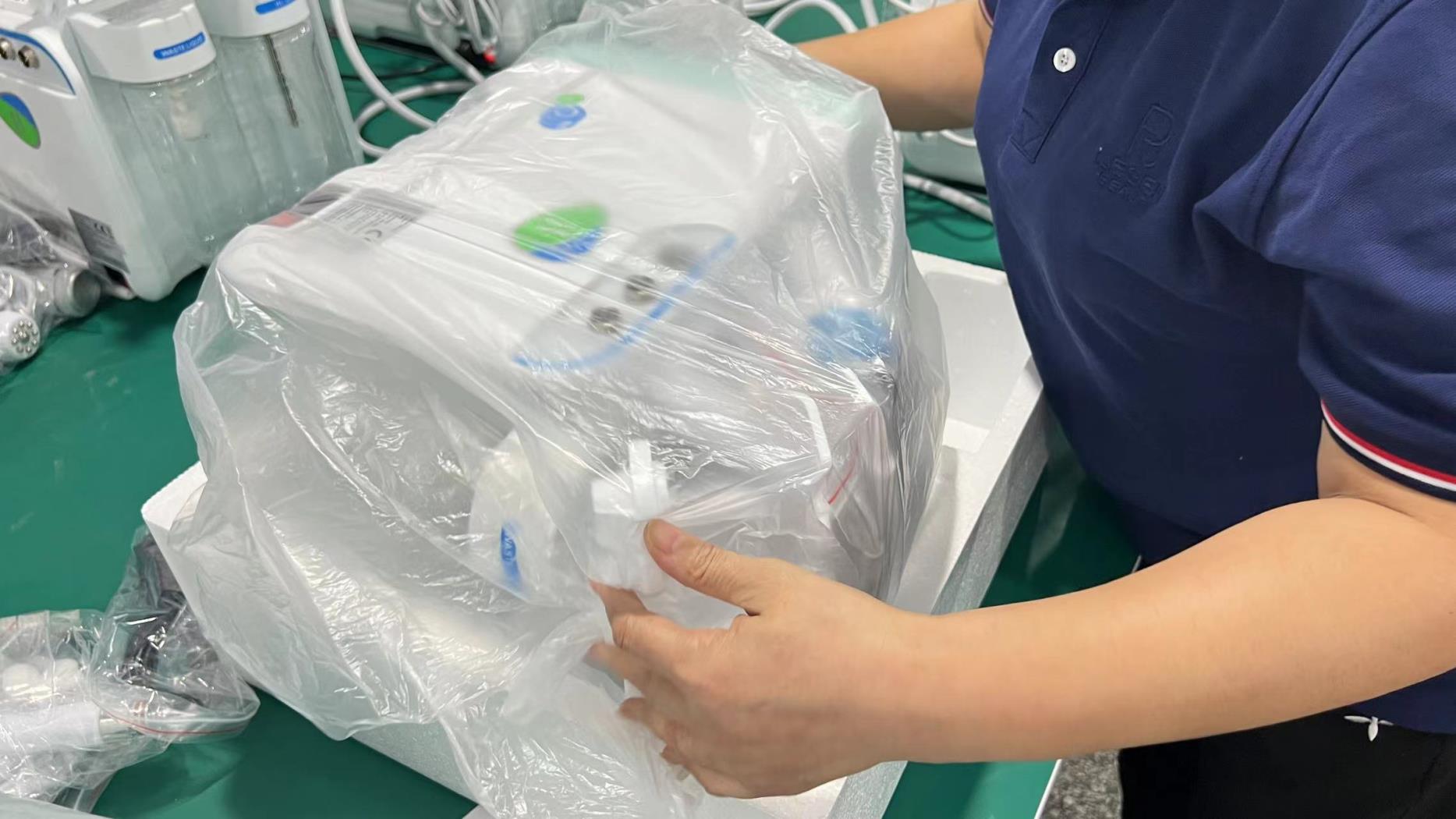
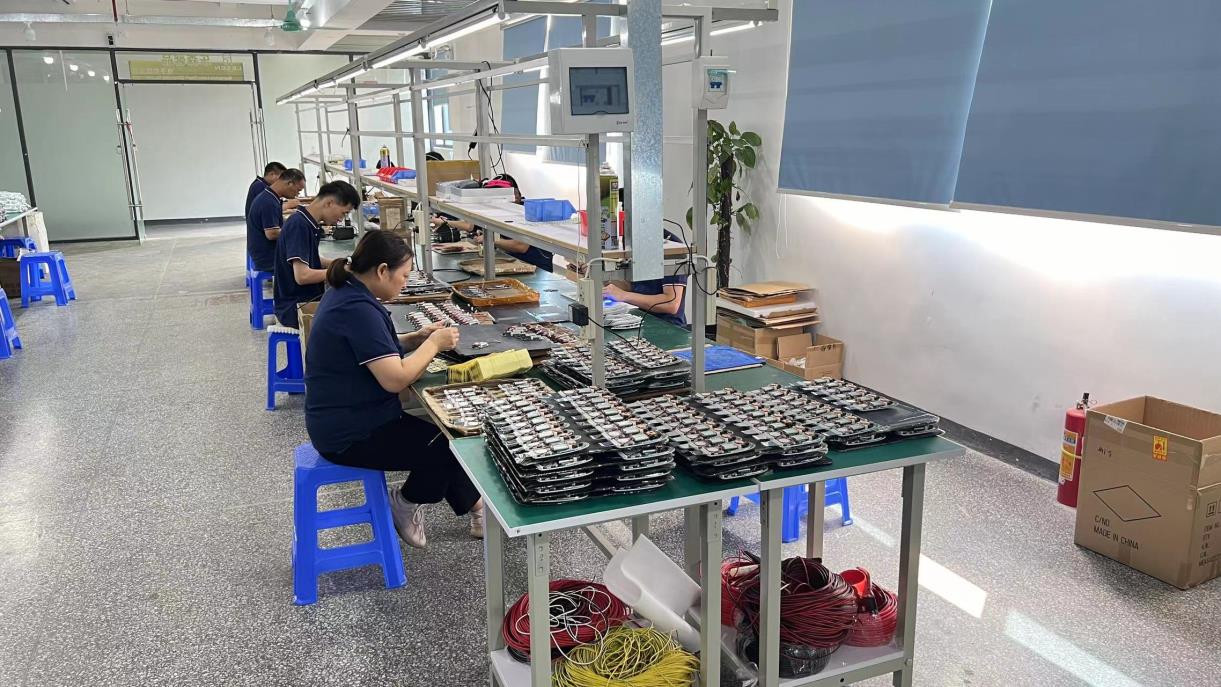
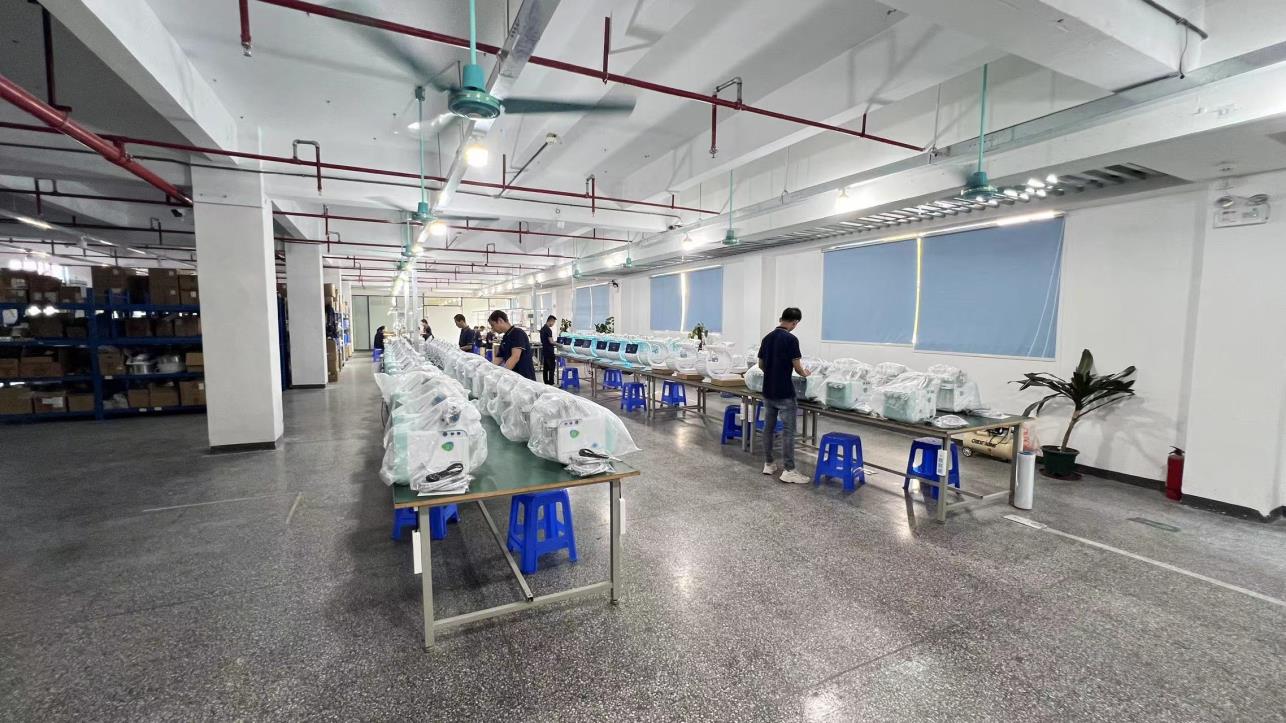
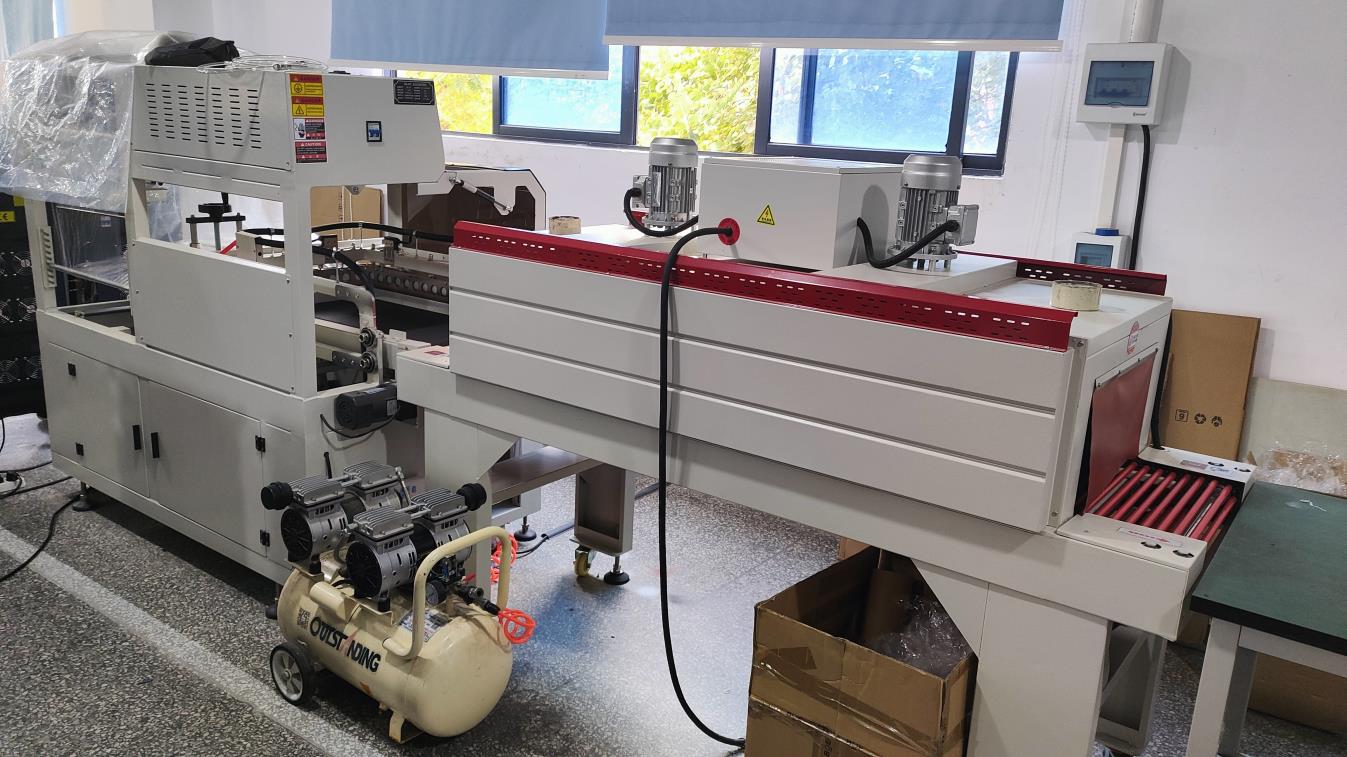
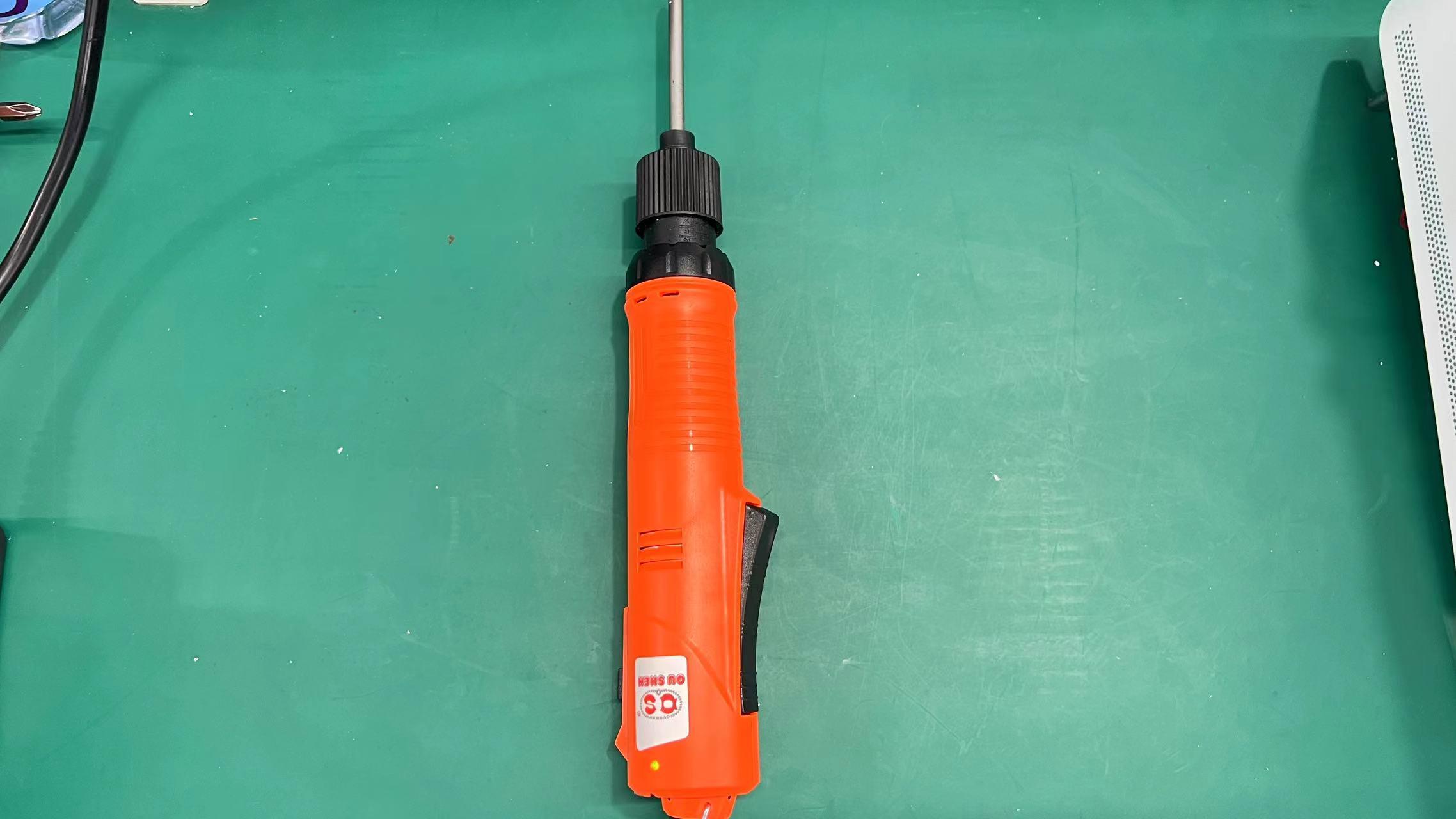
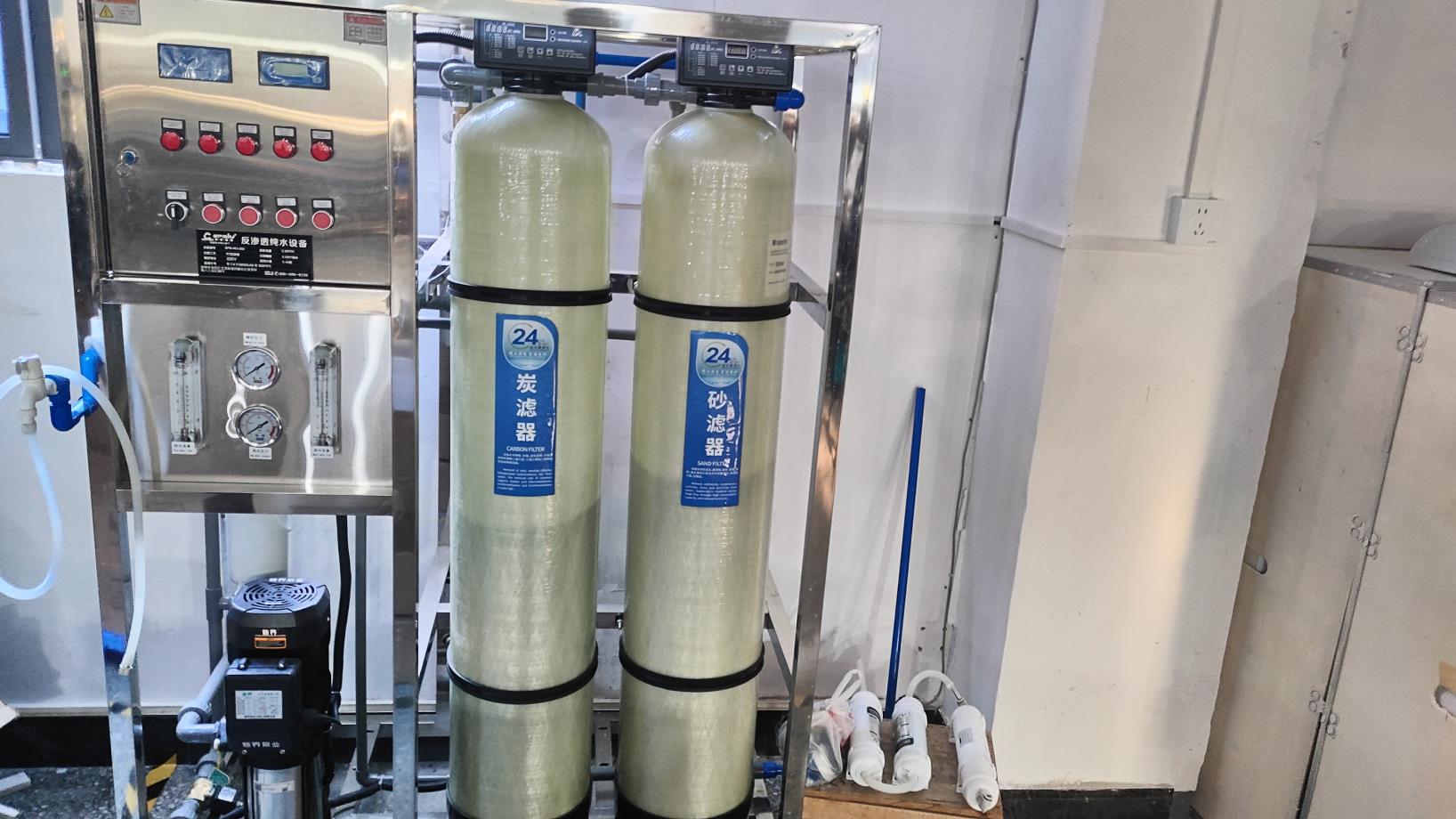
Our manufacturing facility uses structured workflows to ensure every system meets high quality standards:
Shenzhen Yiki Beauty Co., Ltd. is a professional enterprise integrating R&D, design, manufacturing, and global sales of advanced aesthetic and beauty equipment. The company is built by a team of experienced technical engineers and product designers, with fully in-house capabilities ranging from industrial appearance design and electronic system development to assembly, testing, and packaging.
Yiki Beauty is committed to providing a true one-stop solution for global customers, helping partners reduce complexity in product development, production, and branding. By combining innovative engineering with practical clinical and salon applications, the company continuously delivers safe, effective, and market-oriented beauty devices.
With a strong focus on quality control and technological innovation, Shenzhen Yiki Beauty Co., Ltd. supports OEM and ODM services, as well as private label branding. The company adheres to strict international quality standards and strives to build long-term partnerships with distributors, clinics, salons, and beauty chains worldwide.
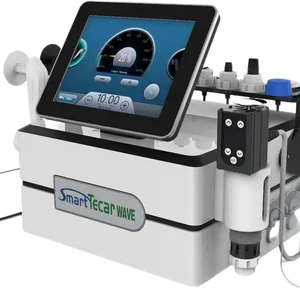
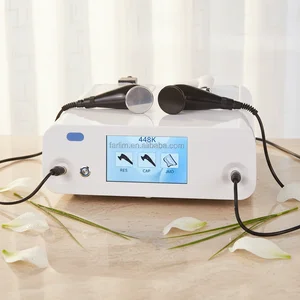
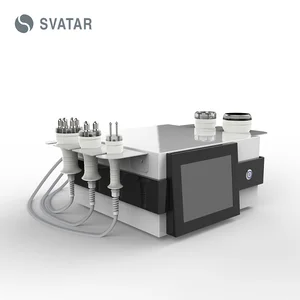
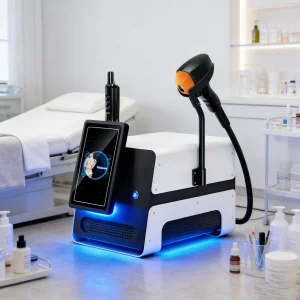
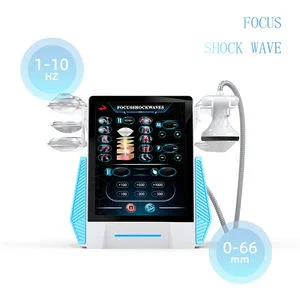
Our product portfolio covers a wide range of advanced aesthetic technologies, including: HI-EMT body contouring machines, laser hair removal systems, Vela body shaping devices, shockwave therapy machines, TECAR therapy equipment, air pressure lymphatic drainage systems, 4D HIFU ultrasound machines, tattoo removal lasers, hydra dermabrasion systems, plasma pens, and various home-use beauty devices.
Shenzhen Yiki Beauty Co., Ltd. exports to more than 15 major markets, including the United States, Germany, Australia, Canada, Italy, France, the United Kingdom, Spain, Russia, the Netherlands, Switzerland, Ukraine, Poland, Turkey, and Belgium, while continuously expanding its global footprint in emerging markets.
Driven by innovation, reliability, and customer success, Yiki Beauty is dedicated to becoming a trusted global partner in the aesthetic equipment industry.
How different business models implement our skin diagnostic and aesthetic technologies to improve customer retention and revenue.
Provide consistent, data-supported skin assessments before and after treatments. Clinics can track patient recovery and long-term results, helping validate the effectiveness of high-end clinical procedures.
Standardize customer consultations across all locations. Centralized database integration helps franchises maintain consistent service quality and easily access client skin history from any branch.
Increase sales of proprietary skincare products. By using custom-programmed diagnostic tools, sales teams can recommend products based on direct skin readings, improving customer confidence.
Get answers to common technical, production, and shipping questions about our skin analysis systems.
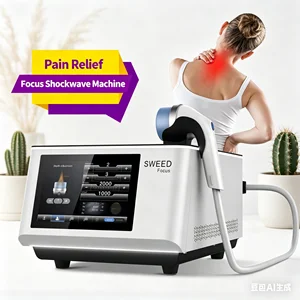
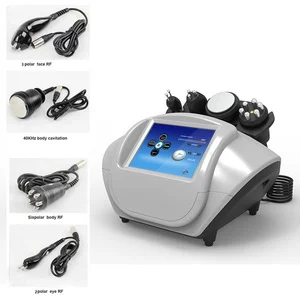
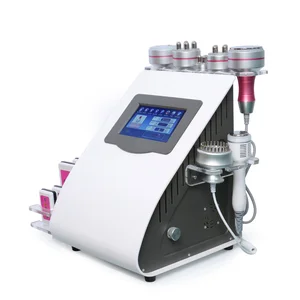
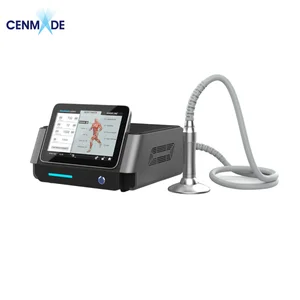
Explore our additional professional aesthetic hardware systems designed for medical-grade performance and reliability.
 Yiki Beauty