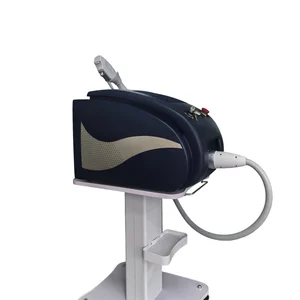
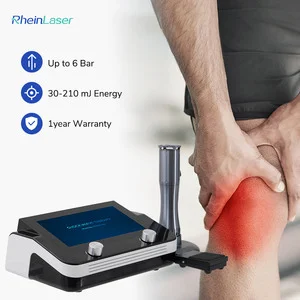
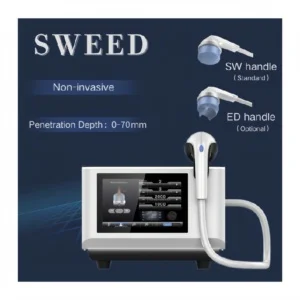
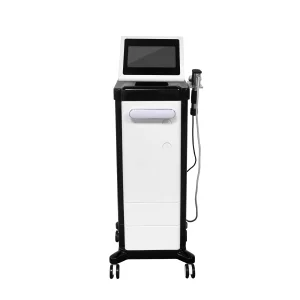
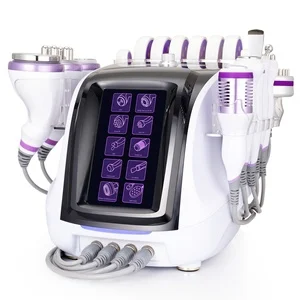
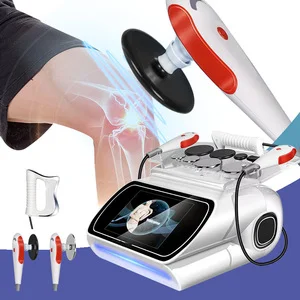
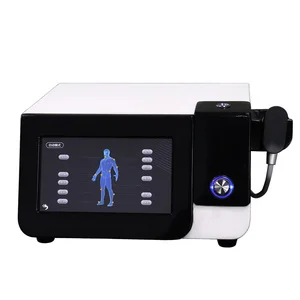
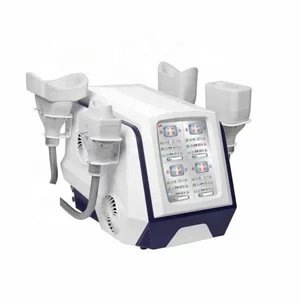
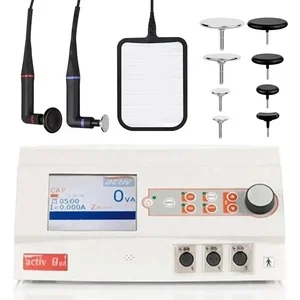
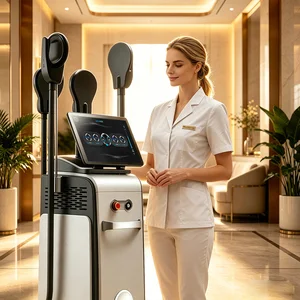
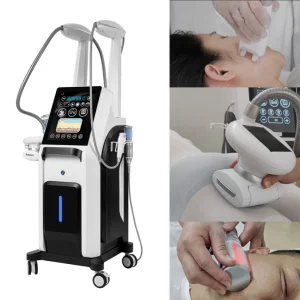
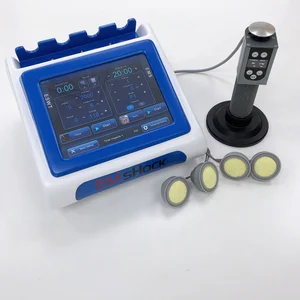
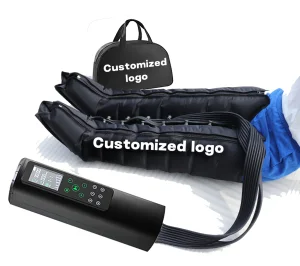
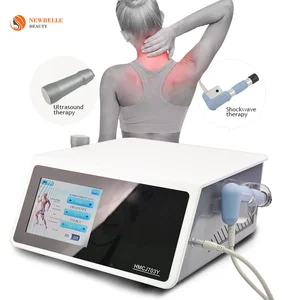
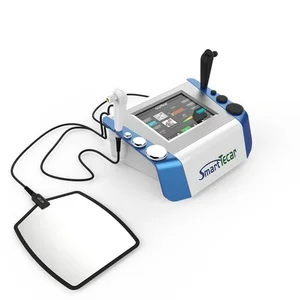
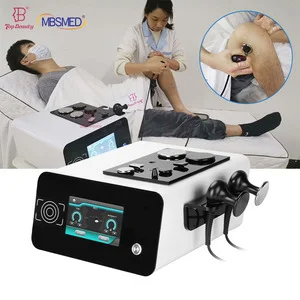
Explore our flagship medical-grade systems, engineered for dermatological and clinical settings worldwide.
Traditional tattoo removal methods relied heavily on Q-switched nanosecond lasers, which heat targeted ink particles to shatter them. This photothermal mechanism, while effective, carried a high risk of thermal damage to the surrounding skin, leading to hyperpigmentation, scarring, and extended healing times.
The introduction of the Picosecond Laser has revolutionized the aesthetic field. Operating at a trillionth of a second, these lasers generate an intense photoacoustic shockwave. This mechanic shatters stubborn ink pigments into microscopic particles without generating excess heat. The immune system's lymphatic pathway then clears these particles with minimal tissue downtime.
When evaluating Picosecond devices, optical power and precision are paramount. Real pulse width verification requires advanced optical oscilloscopes. Devices operating below 750 picoseconds produce the most efficient photoacoustic shockwaves.
Wavelength configuration is another critical metric. The standard 1064nm and 532nm dual wavelengths cover dark and red inks respectively, while advanced platforms add 755nm Alexandrite or 585nm/650nm dye handpieces to target green, light blue, and yellow inks.
A trusted global supplier pioneering professional research, assembly, and clinical validation systems.
Shenzhen Yiki Beauty Co., Ltd. is a professional enterprise integrating R&D, design, manufacturing, and global sales of advanced aesthetic and beauty equipment. The company is built by a team of experienced technical engineers and product designers, with fully in-house capabilities ranging from industrial appearance design and electronic system development to assembly, testing, and packaging.
Yiki Beauty is committed to providing a true one-stop solution for global customers, helping partners reduce complexity in product development, production, and branding. By combining innovative engineering with practical clinical and salon applications, the company continuously delivers safe, effective, and market-oriented beauty devices.
With a strong focus on quality control and technological innovation, Shenzhen Yiki Beauty Co., Ltd. supports OEM and ODM services, as well as private label branding. The company adheres to strict international quality standards and strives to build long-term partnerships with distributors, clinics, salons, and beauty chains worldwide.
Our product portfolio covers a wide range of advanced aesthetic technologies, including: HI-EMT body contouring machines, laser hair removal systems, Vela body shaping devices, shockwave therapy machines, TECAR therapy equipment, air pressure lymphatic drainage systems, 4D HIFU ultrasound machines, tattoo removal lasers, hydra dermabrasion systems, plasma pens, and various home-use beauty devices.
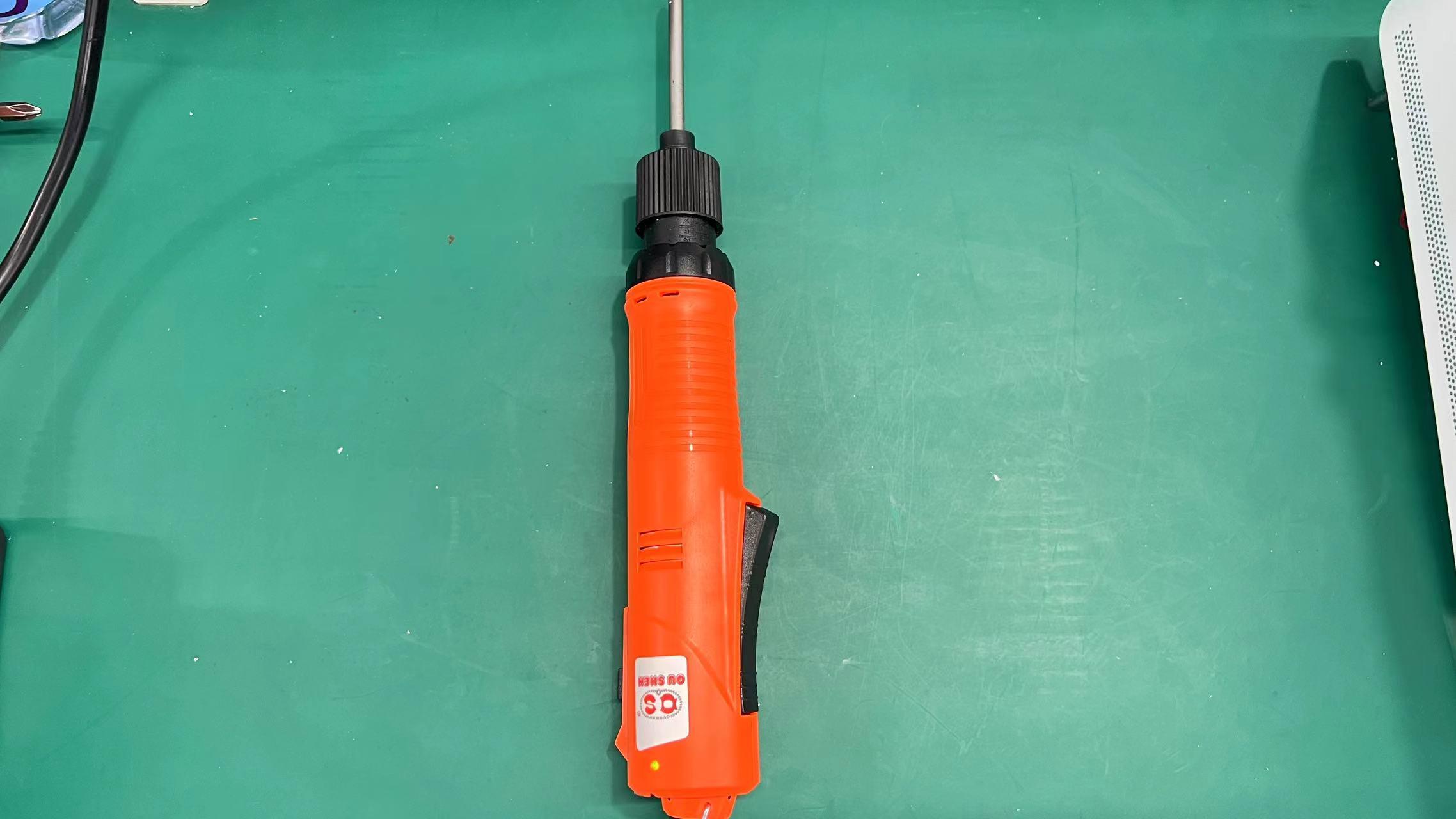
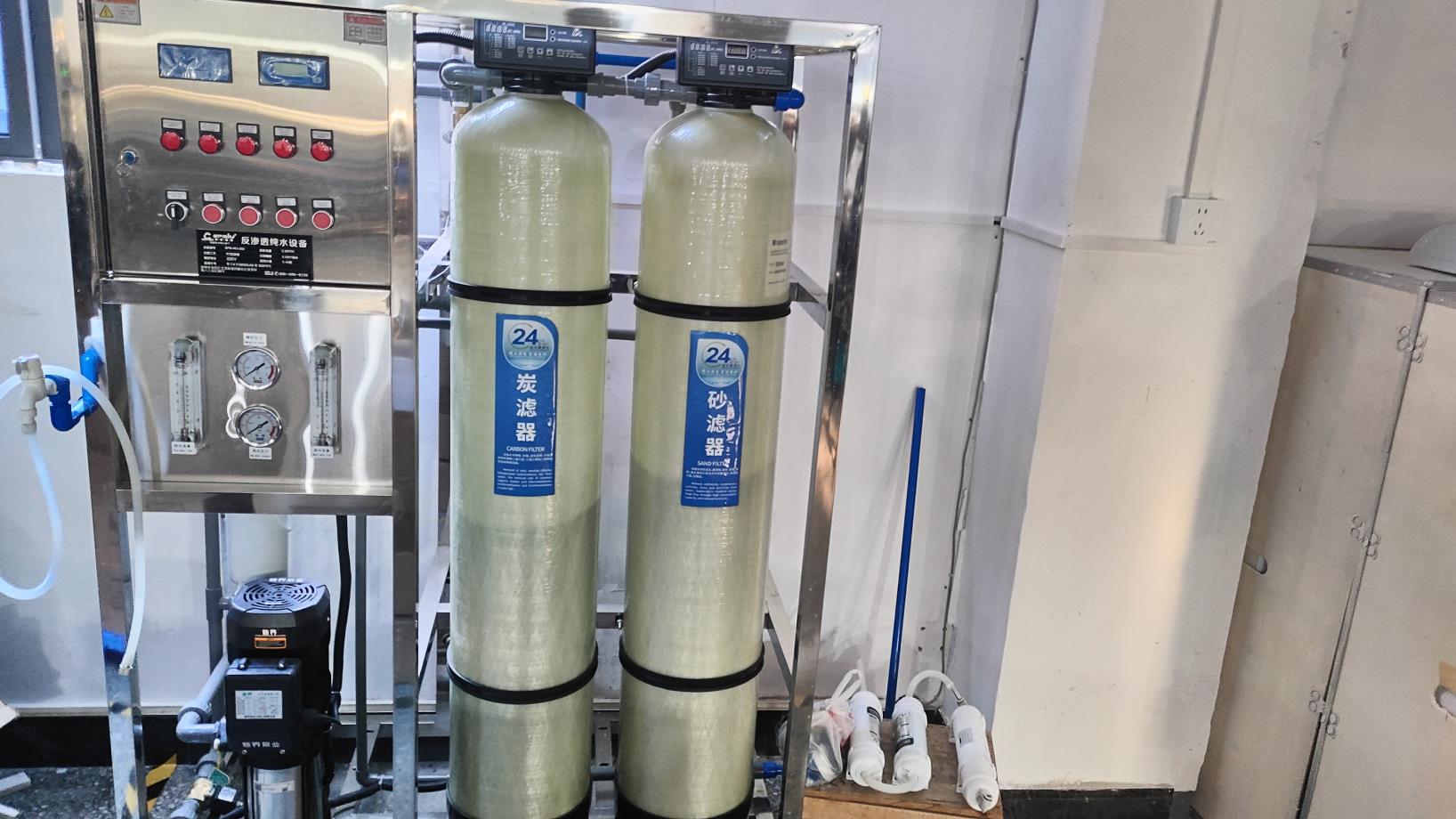
Take a transparent look inside our Shenzen production facility. Standardized procedures ensure failure rates remain under 0.2%.
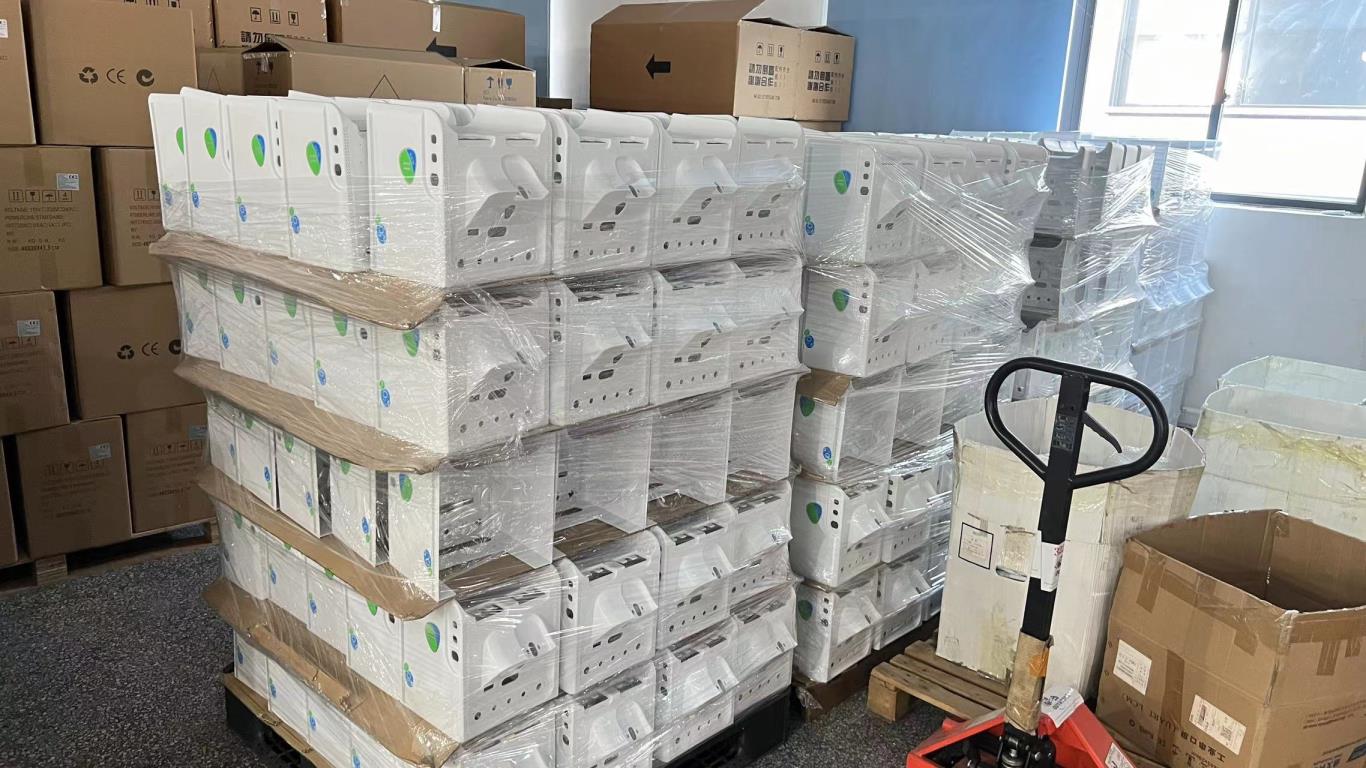
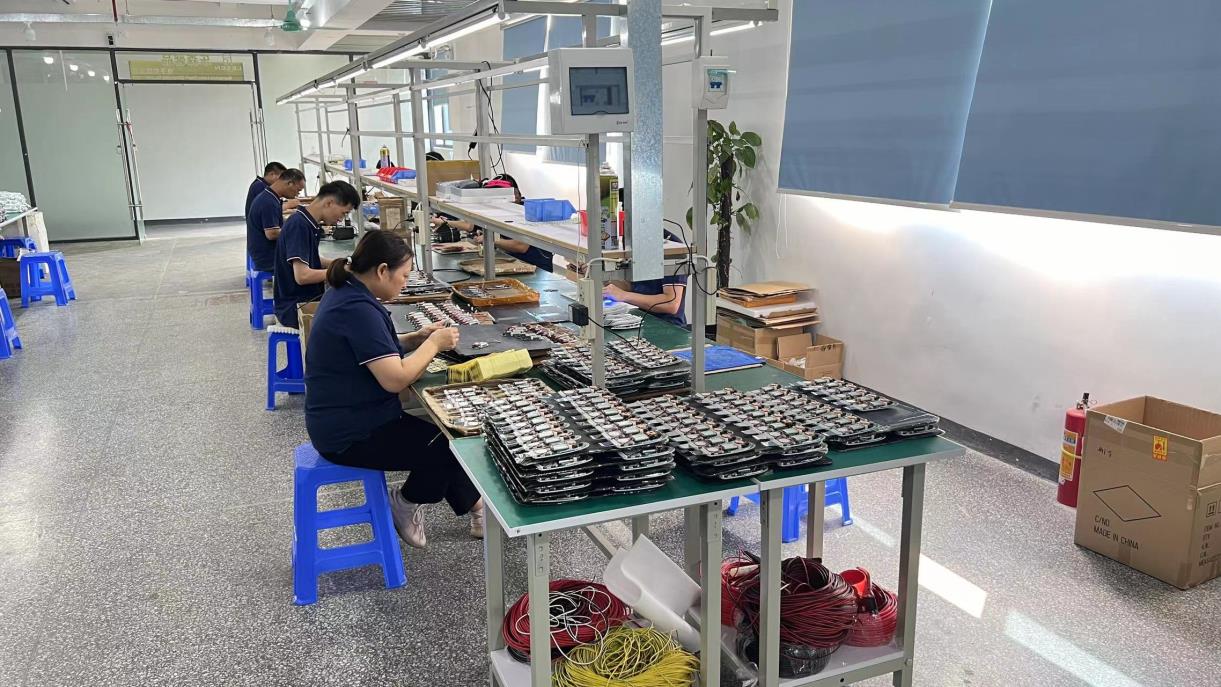
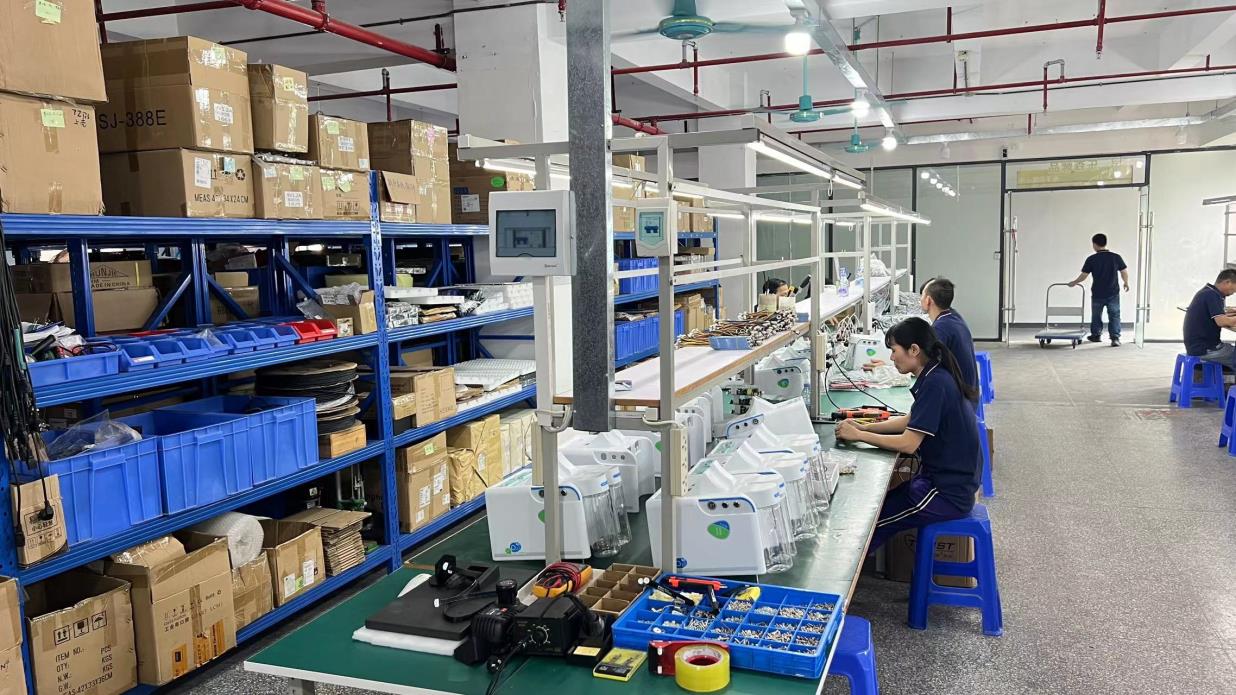
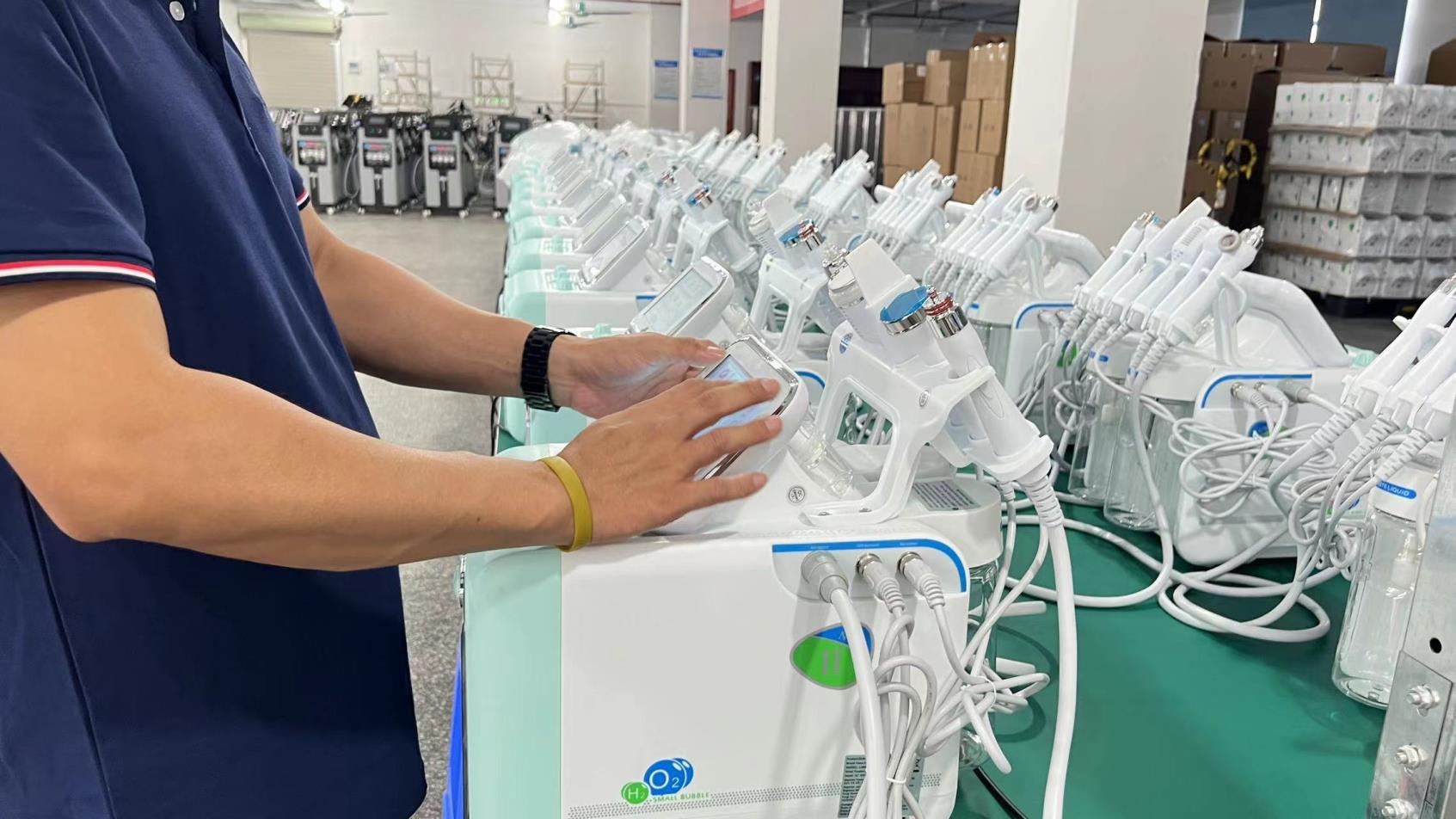
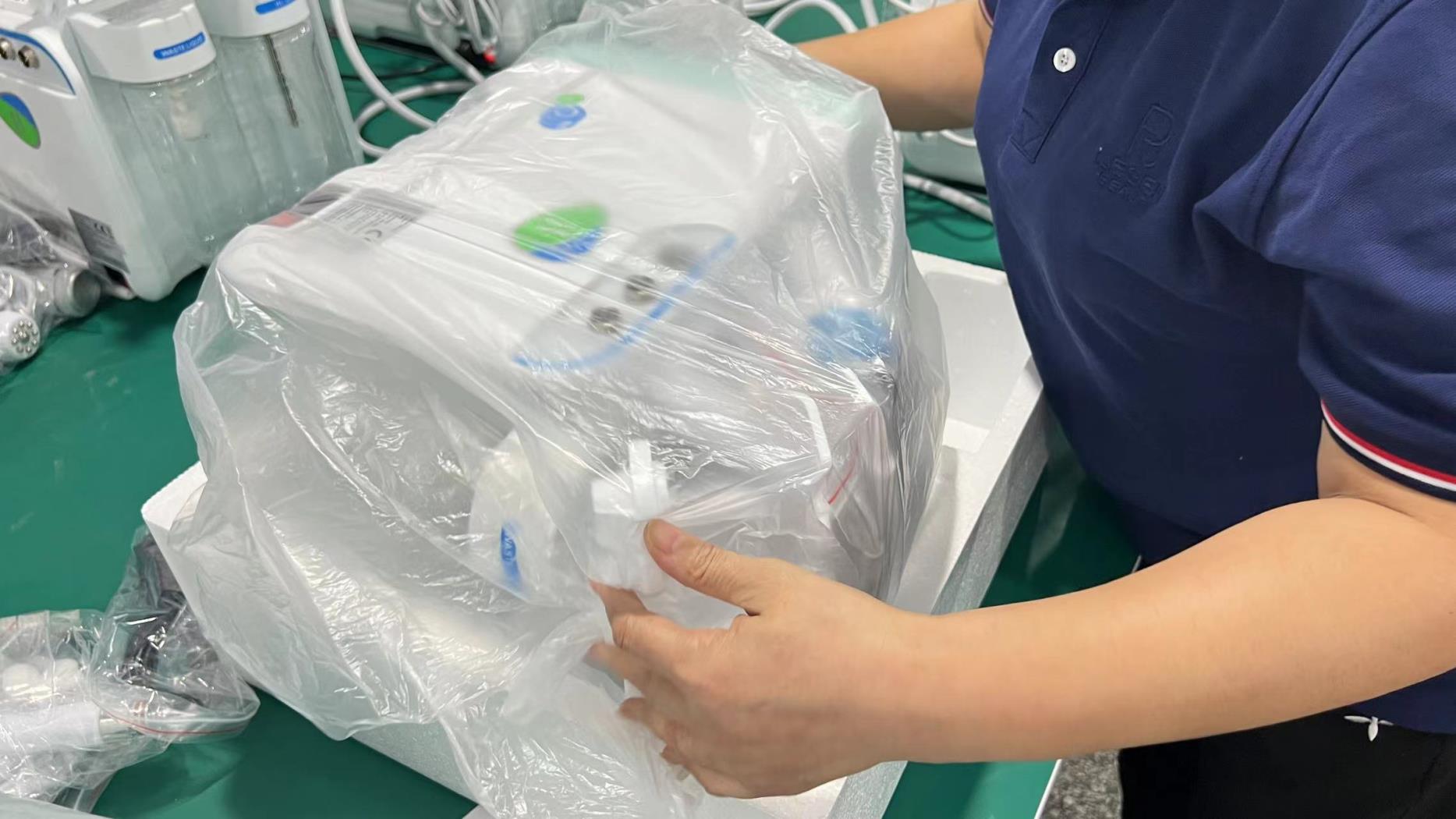
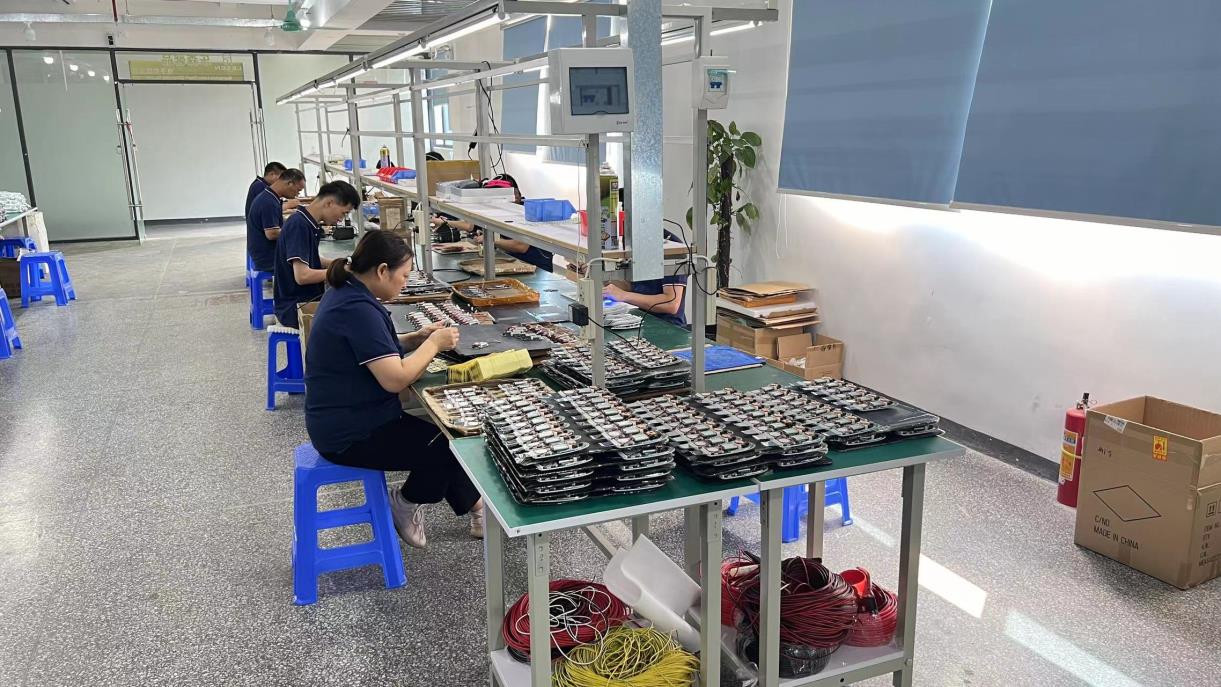
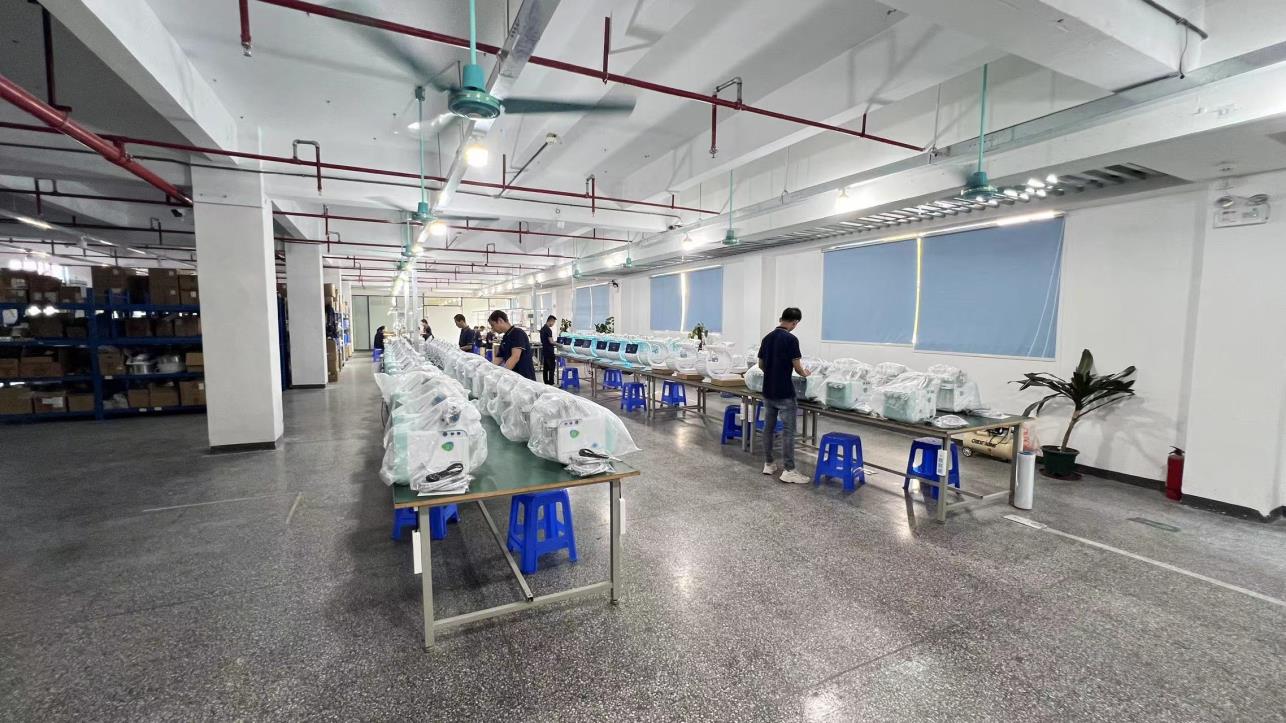
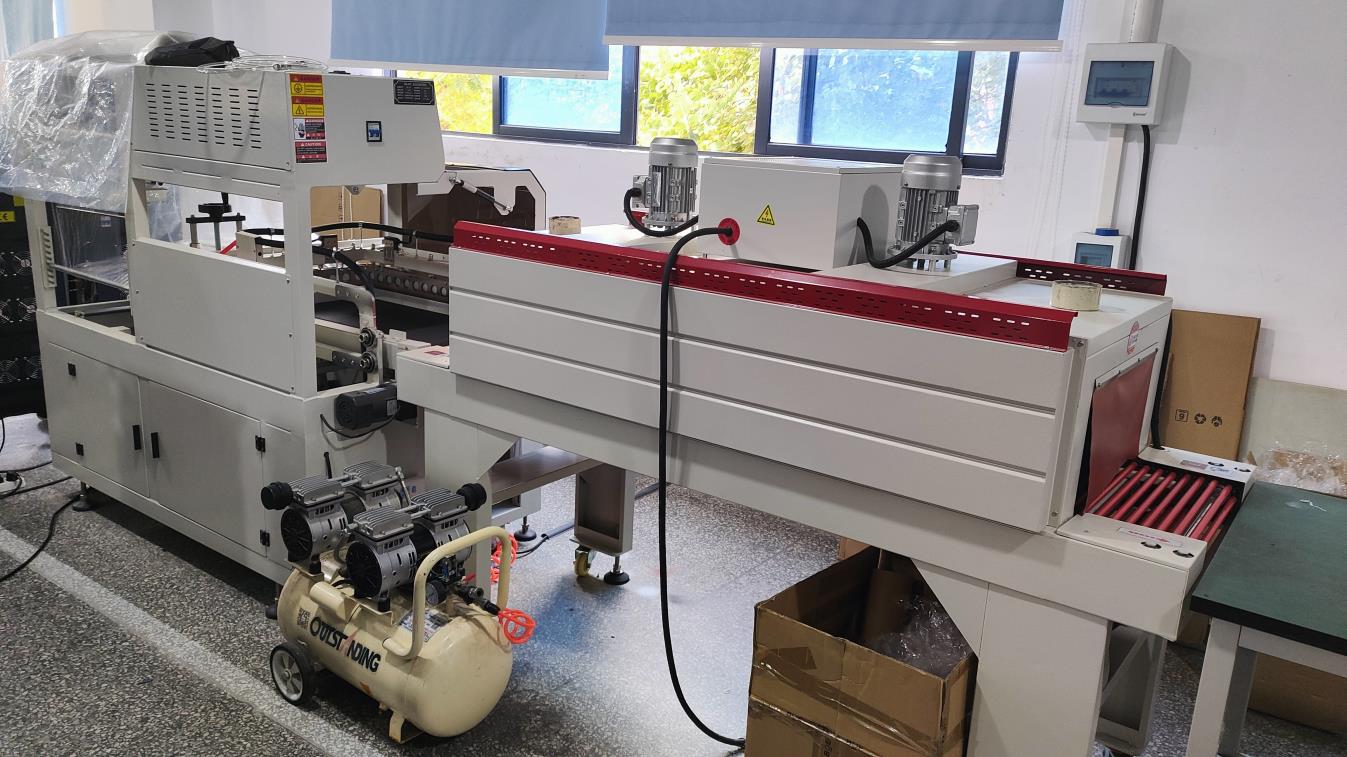
Analyze the economic, structural, and technical advantages that solidify China as the leading exporter of aesthetic lasers.
The Pearl River Delta cluster houses the entire supply chain. From precision lens grinds to robust power supplies and solid structural metal frames, sourcing from factories like Yiki Beauty reduces delivery bottlenecks.
Chinese factories combine localized manufacturing with imported components—such as South Korean optical articulated arms, British Xenon lamps, and German laser bars. This hybrid approach delivers excellent cost-performance.
Whether implementing multi-lingual operating software, modifying the industrial chassis shell, or integrating customized RFID tracking cards, Chinese manufacturers adapt rapidly to changing market demands.
As the market expands, aesthetic technology is evolving in three key areas:
Crucial industry insights to guide your next procurement decision and verify vendor quality.
Explore our wider range of medical, body-sculpting, and physiotherapy technologies built to international standards.
 Yiki Beauty