Explore our flagship medical-grade systems combining RF, cryolipolysis, high-intensity lasers, and electromagnetic muscle targeting.
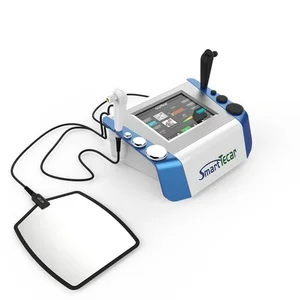
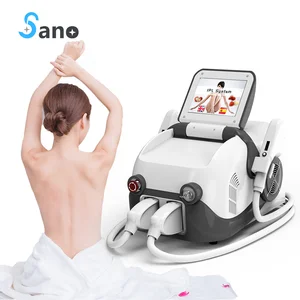

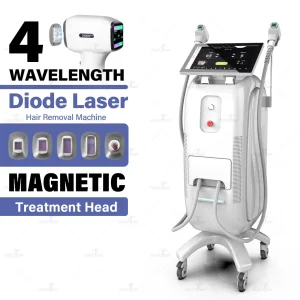
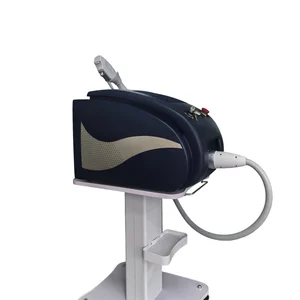
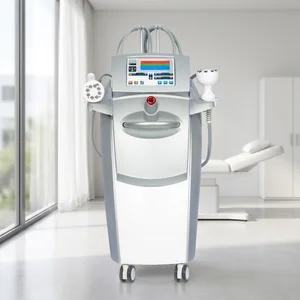
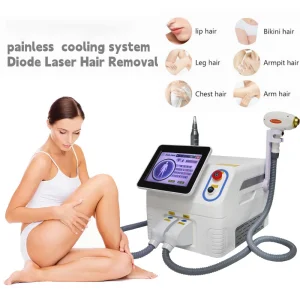
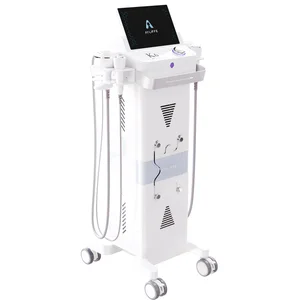
The global demand for non-invasive medical body contouring systems has seen a major paradigm shift. Aesthetics clinics, dermatology groups, and large-scale medical spas are moving away from invasive surgical treatments toward high-efficacy, zero-downtime solutions. As medical buyers search for dependable systems, evaluating the capabilities of manufacturing hubs becomes essential. High-power cavitation, Cryolipolysis 360, vacuum-assisted radiofrequency (RF), and focused shockwave platforms now dominate clinical protocols. To help buyers make informed sourcing decisions, this report breaks down the technical developments, clinical efficacy, and production standards of China's leading aesthetic manufacturing sector.
"True clinical efficacy in body contouring is defined not just by raw electrical output, but by thermal safety management, transducer reliability, and the software logic that matches therapeutic energy to physiological structures."
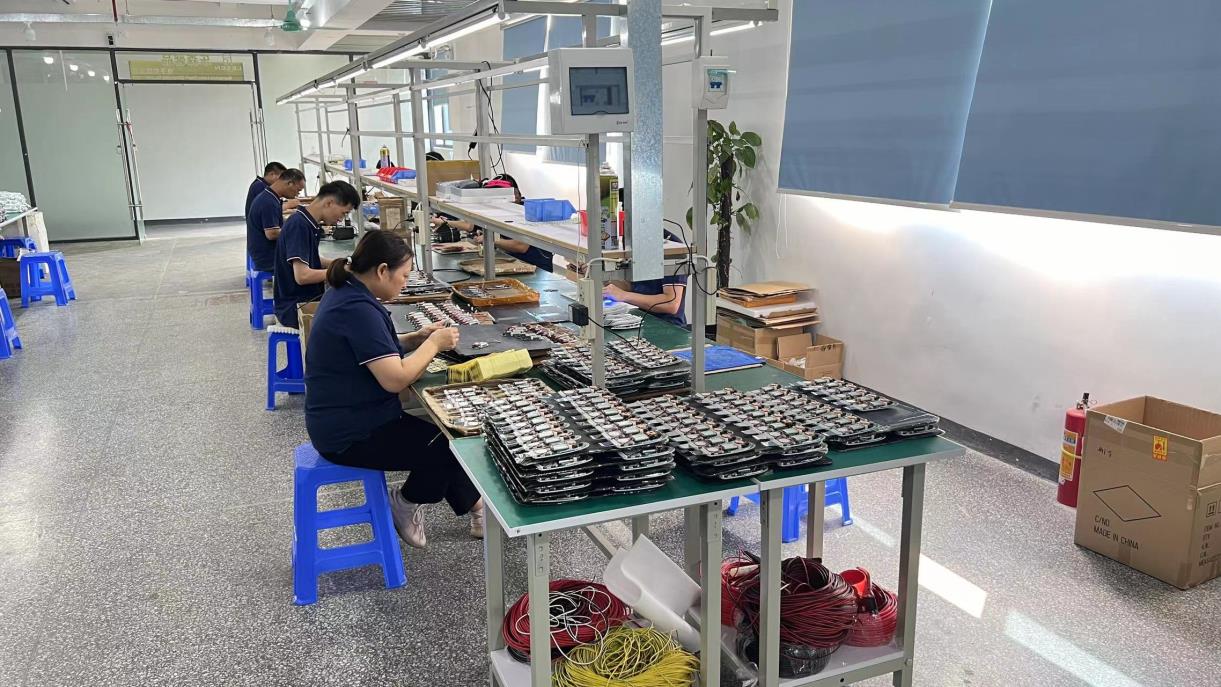
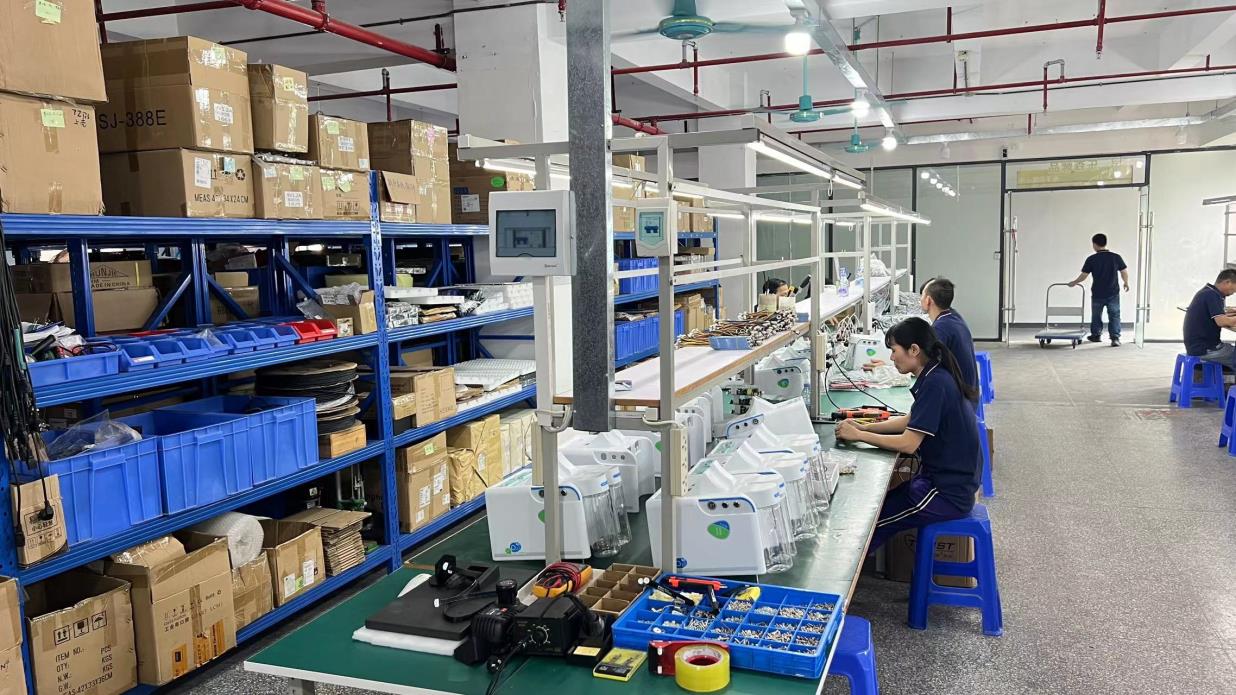
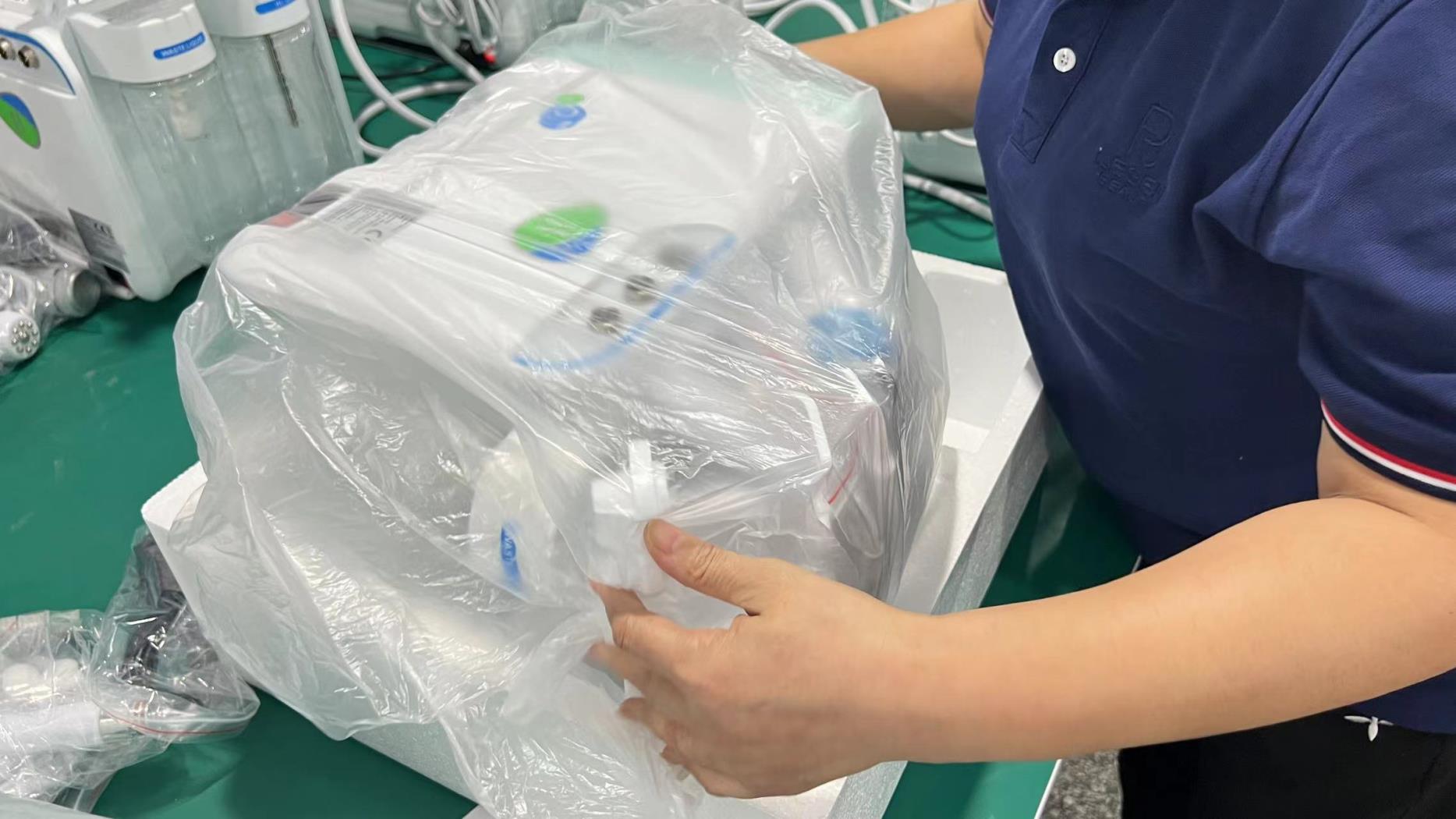
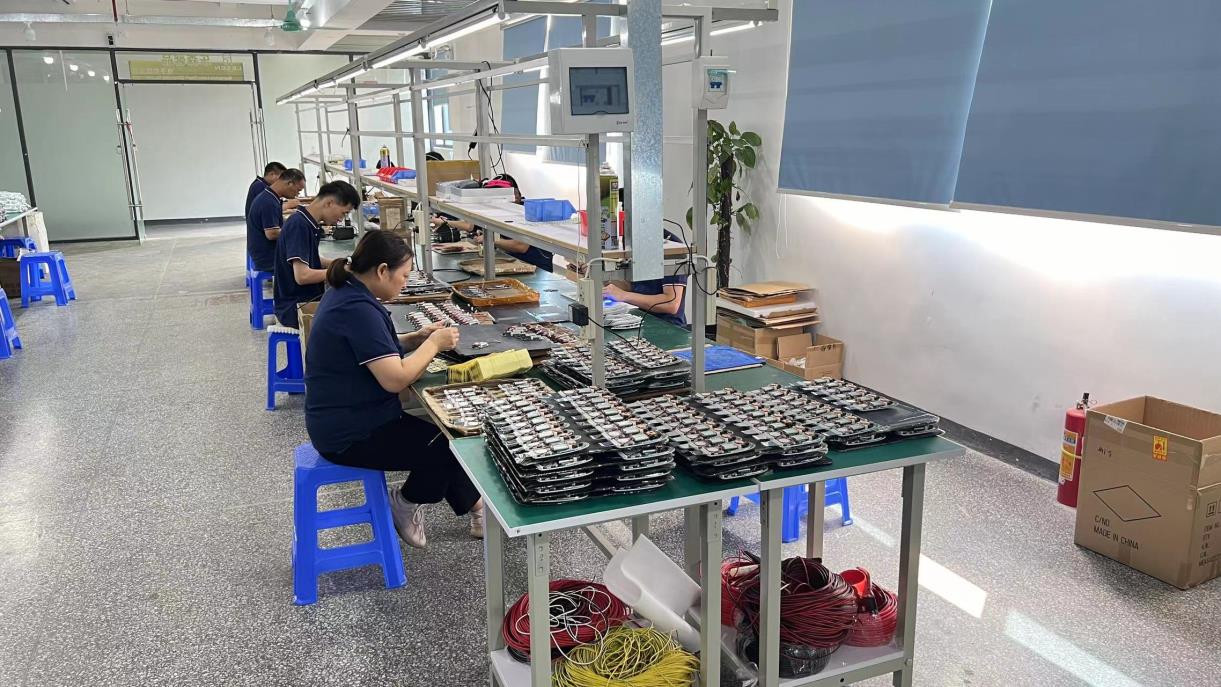
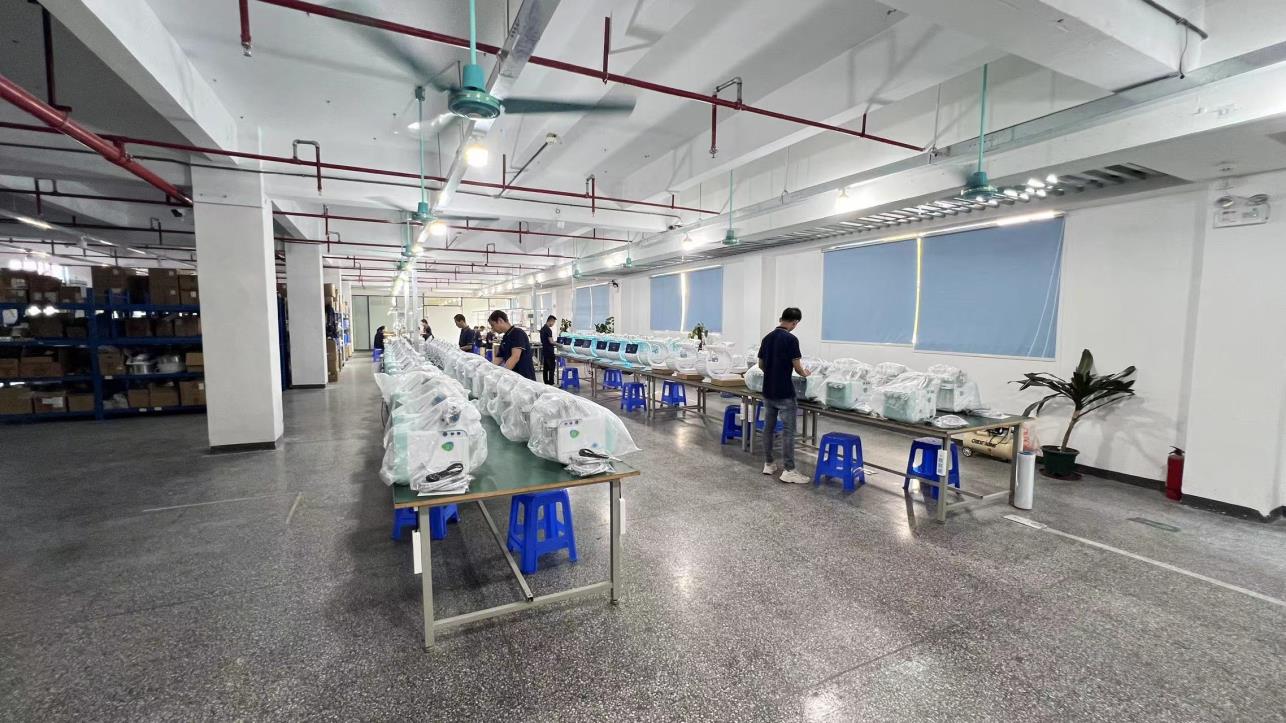
Shenzhen Yiki Beauty Co., Ltd. is an established enterprise integrating R&D, industrial design, manufacturing, and global export of advanced aesthetic and beauty equipment. Built by a team of experienced technical engineers and product designers, the company retains fully in-house capabilities ranging from industrial appearance design and electronic system development to final assembly, testing, and packaging.
Yiki Beauty is committed to providing a true one-stop solution for global B2B clients, helping brand partners reduce complexity in product development, manufacturing pipelines, and private-label distribution. By combining innovative optoelectronic engineering with practical clinical and salon applications, the company continuously delivers safe, effective, and market-ready aesthetic platforms.
Adhering to strict international quality standards, Shenzhen Yiki Beauty Co., Ltd. supports comprehensive OEM/ODM services and private label customization. Today, the enterprise exports to more than 15 major international markets, including the United States, Germany, Australia, Canada, Italy, France, the United Kingdom, Spain, Russia, the Netherlands, Switzerland, Ukraine, Poland, Turkey, and Belgium.
The global aesthetics sector relies heavily on Chinese manufacturing due to its deep supply chain integration and rapid technology iteration. When sourcing body contouring platforms, international enterprises look beyond unit pricing to evaluate three key supply chain indicators:
Proximity to component manufacturers in Shenzhen allows for fast, custom sourcing of high-frequency power units, laser modules, and advanced cooling radiators.
Hardware and software design teams run concurrent development cycles, taking a complex medical device from CAD drawing to functional prototype in record time.
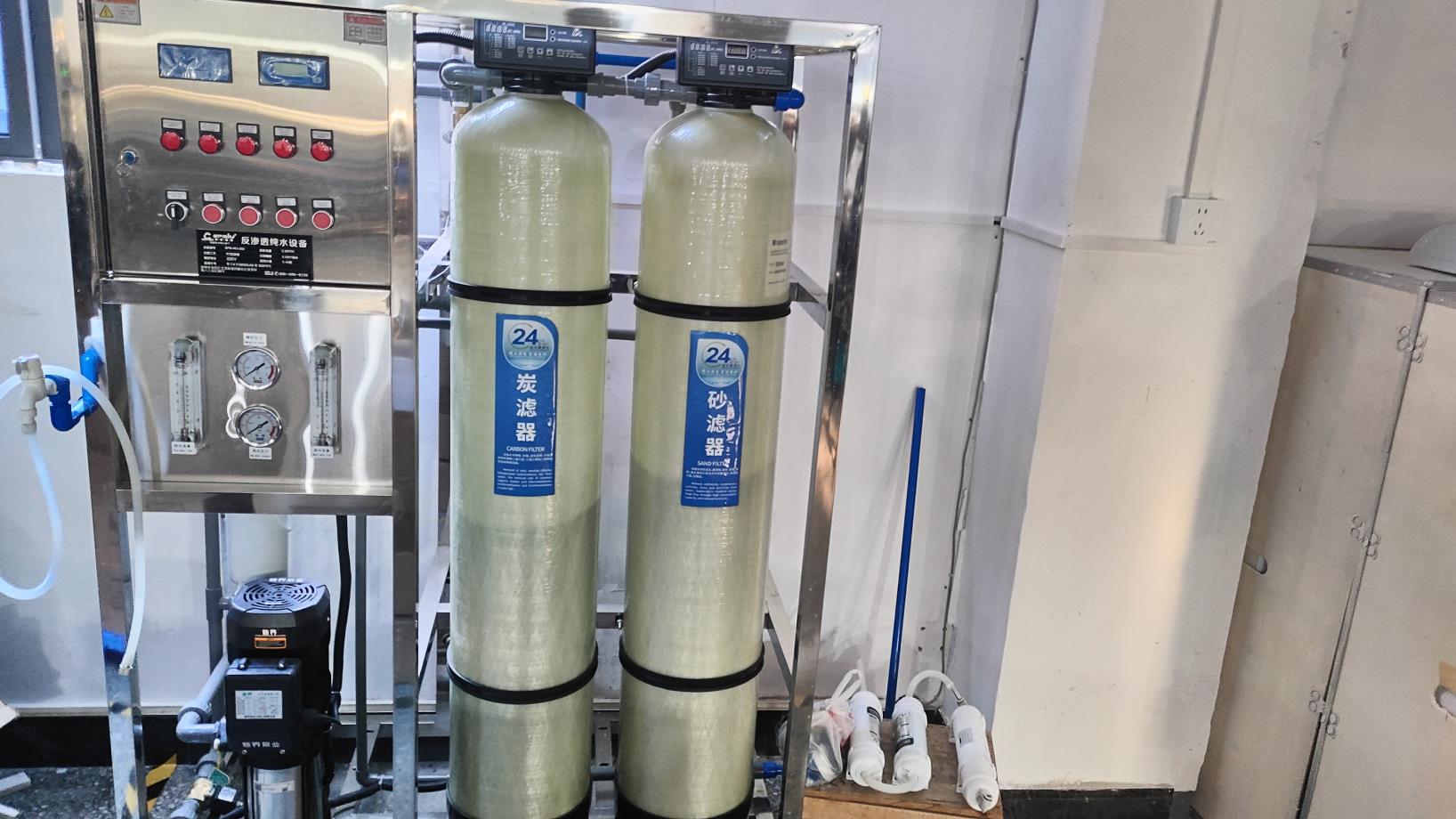
High-capacity environmental simulation labs, continuous voltage drop verification, and water purity filtration units ensure stable clinical performance.
This structural advantage translates directly to the clinic floor. High-quality electrical component sourcing allows devices like the 2026 Professional Fat Cavitation Machine to maintain stable output frequencies (30kHz/40kHz) without thermal degradation. In contrast to smaller regional manufacturers, Chinese industrial clusters support the large-scale sourcing of medical-grade silicone handpieces, German-imported vacuum pumps, and Japanese internal cooling pipes.
Modern non-invasive body sculpting uses multiple mechanical and thermal mechanisms to target subcutaneous fat layers and improve skin laxity. We break down the four leading technologies below:
| Technology | Biophysical Mechanism | Primary Clinical Intent | Key Technical Indicators |
|---|---|---|---|
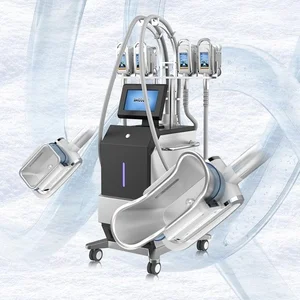
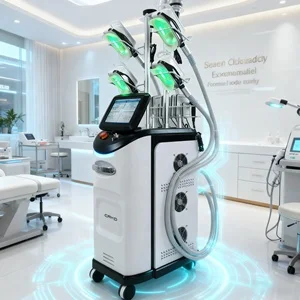
| Cryolipolysis (360° Fat Freezing) | Controlled localized cooling to induce adipocyte apoptosis without damaging surrounding tissue. | Targeted reduction of stubborn subcutaneous fat pockets (flanks, abdomen). | Stable cooling to -10°C; 360-degree cooling cup surface; dual-channel vacuum lines. |
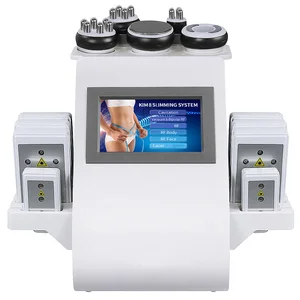
| 30kHz / 40kHz Ultrasonic Cavitation | High-frequency sound waves create micro-bubbles in fat tissue, disrupting adipocyte membranes. | Non-invasive reduction of localized fat volume and body circumference. | Stable acoustic impedance matching; continuous or pulsed delivery modes. |
| Radiofrequency (RF) Slimming | Deep dermal heating using high-frequency currents to stimulate collagen and contract fibrous septae. | Skin tightening, cellulite smoothing, and post-cavitation body shaping. | Multipolar and bipolar handpieces; real-time skin temperature feedback sensors. |
| HI-EMT (High-Intensity Electromagnetic) | Supramaximal muscle contractions driven by targeted magnetic fields. | Simultaneous muscle building and metabolic fat burning. | Magnetic field strengths up to 7-14 Tesla; liquid-cooled applicator systems. |
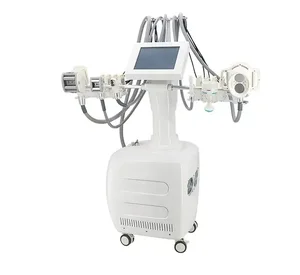
Integrating these technologies yields excellent outcomes. For example, using cavitation to break down fat cell membranes followed by multipolar RF to tighten tissue helps prevent the skin laxity sometimes seen after rapid volume loss. Multi-system platforms like the 2024 Hot V10 Vacuum Roller allow clinicians to deliver mechanical massage, RF heating, and infrared light therapy in a single treatment session.
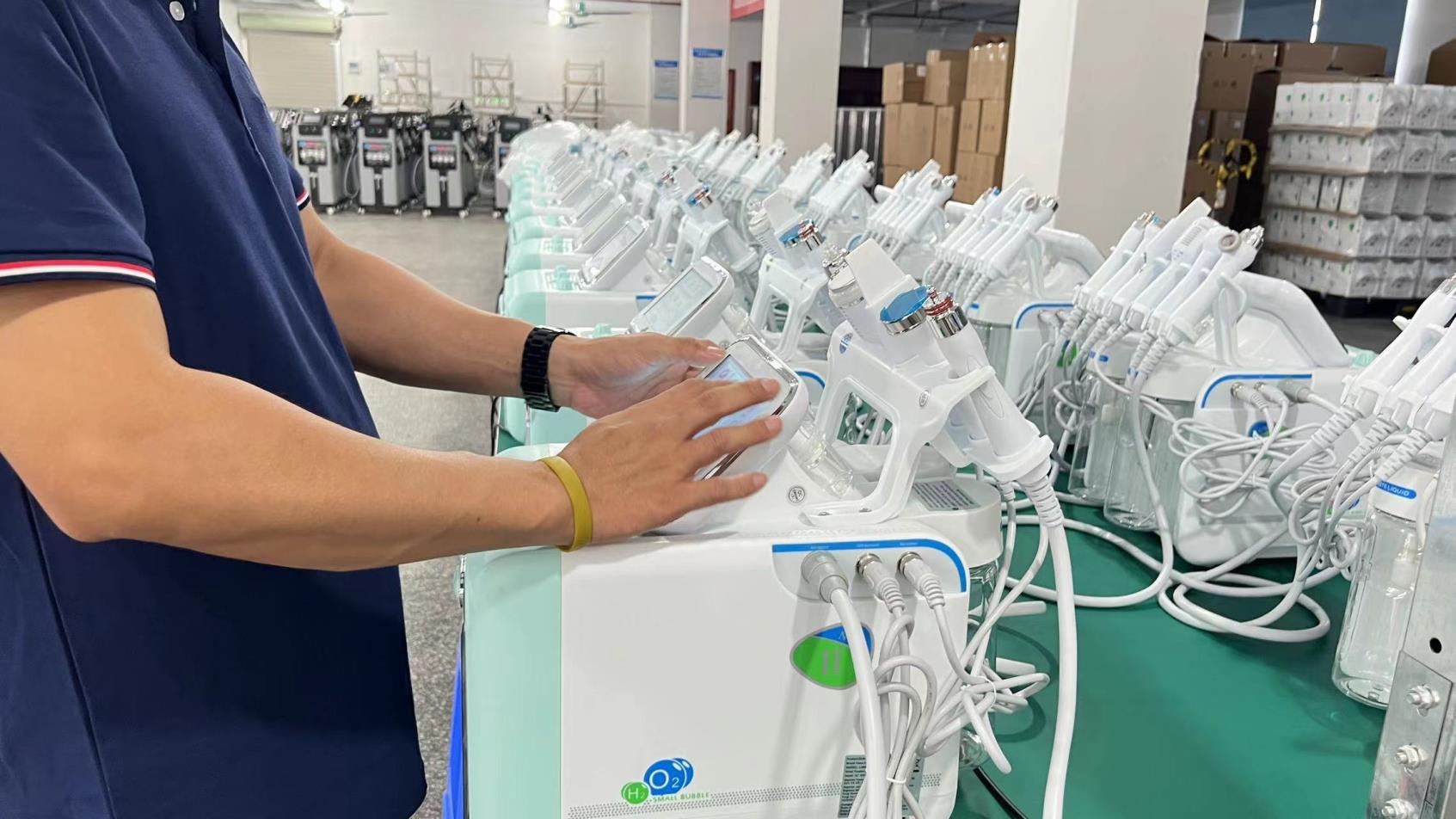
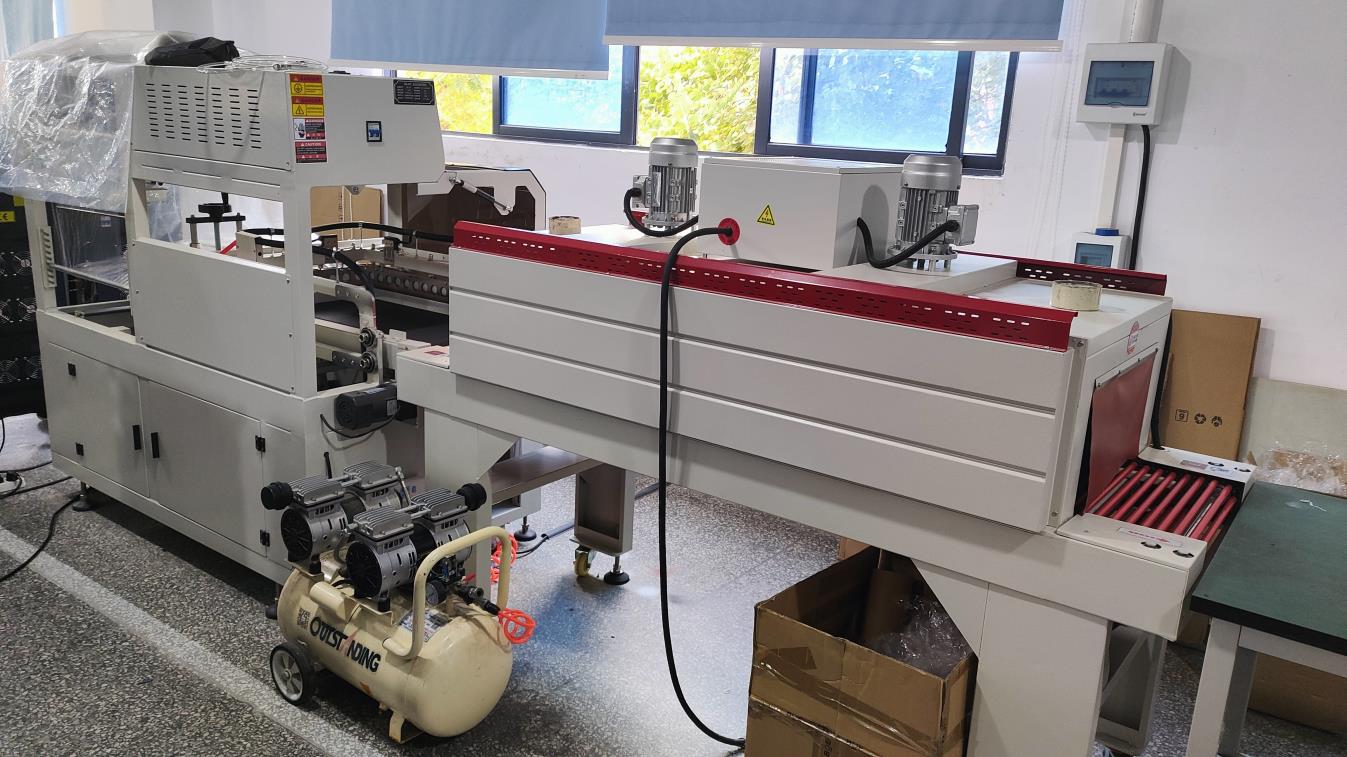
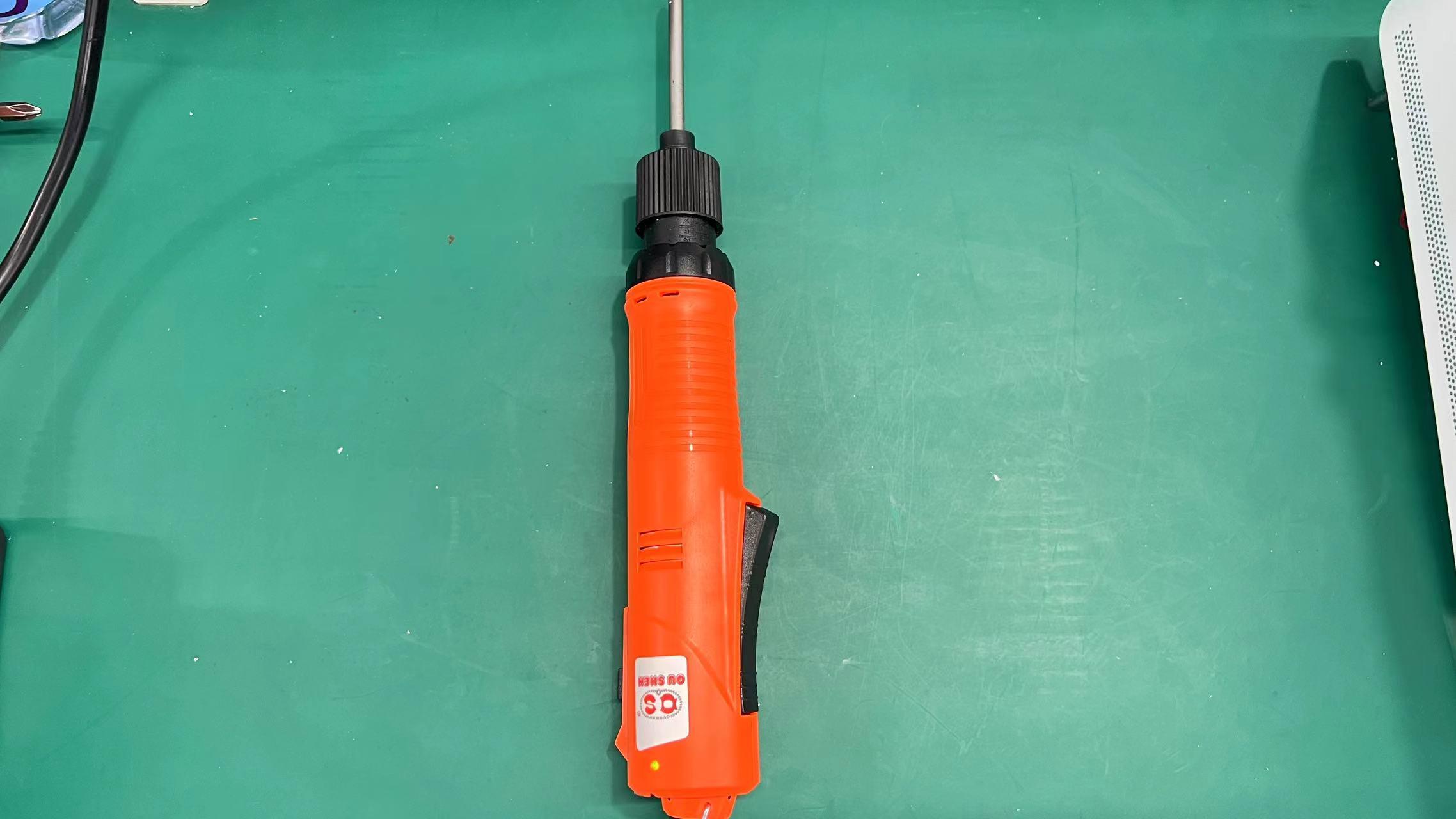
A look inside Shenzhen Yiki Beauty Co., Ltd.’s ISO-aligned manufacturing processes, showing the assembly, validation, and quality control steps for each device.
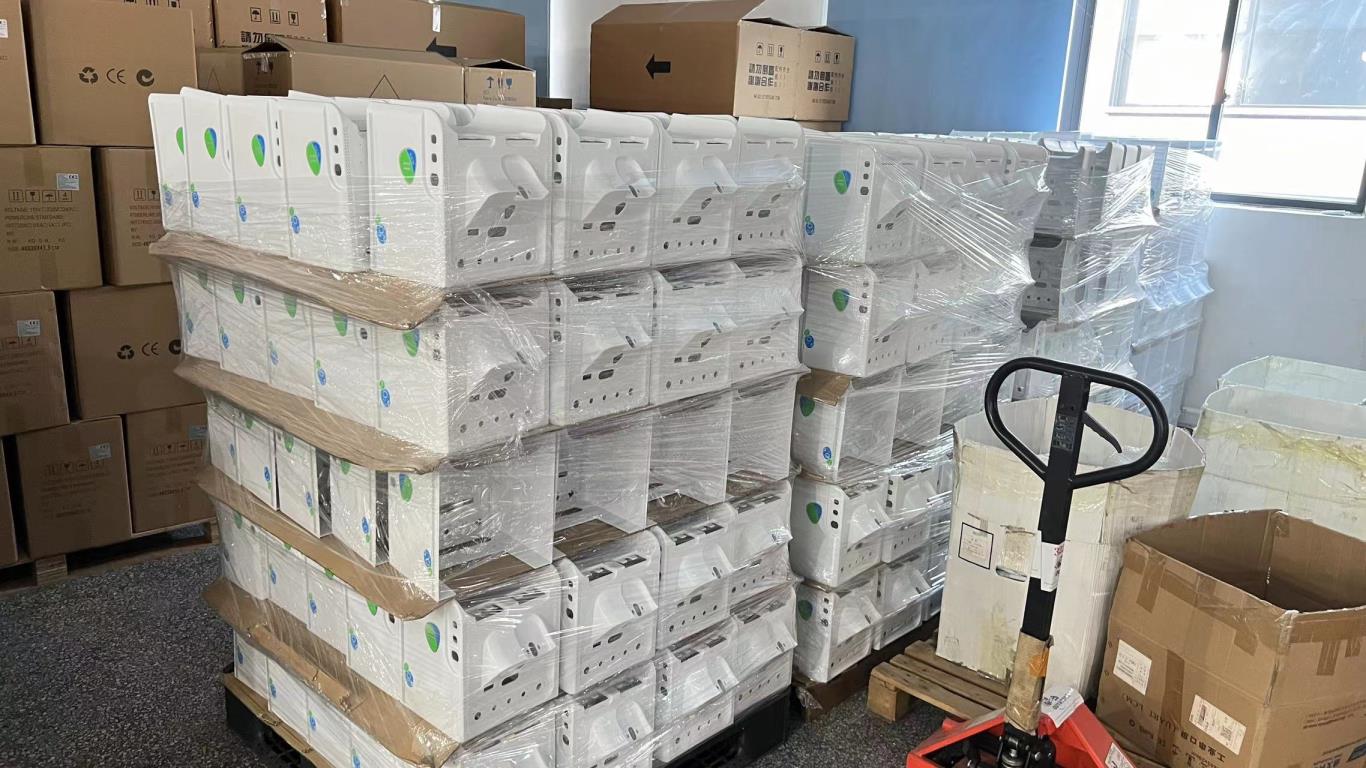
For medical device importers, regional distributors, and clinic group procurement officers, sourcing decisions require careful due diligence. High-performance aesthetic systems must balance capital expense (CAPEX) with daily reliability. Key purchasing parameters include:
The aesthetic device industry is evolving rapidly, driven by three major technological trends:
1. Multi-technology combination therapies: Clinics increasingly demand multi-functional systems that combine complementary modalities—such as vacuum cavitation and radiofrequency—into a single platform to improve treatment outcomes.
2. Smart parameter calibration: Modern systems use smart sensors to read real-time tissue resistance or skin temperature. The software automatically adjusts output levels to ensure safe, consistent energy delivery.
3. Remote system diagnostics: Next-generation platforms incorporate IoT connectivity, allowing manufacturers and distributors to perform remote system checks, update software, and monitor handpiece usage statistics.
Key technical answers and regulatory insights for distributors and aesthetic clinic buyers.
Laser systems generate significant heat during operation. Utilizing a purified water filtration device prevents mineral scaling inside the micro-channels of the laser bars. This ensures stable cooling, extends diode lifespan, and prevents thermal damage to the handpiece.
A 30kHz frequency delivers longer acoustic wavelengths that penetrate deeper into dense subcutaneous fat layers. While 40kHz is suitable for shallow fat deposits, a 30kHz system targets deeper tissue, making it ideal for stubborn abdominal fat reduction.
We use smart impedance detection, isolated circuit designs, and real-time skin contact monitoring. If the handpiece loses contact with the skin, the system pauses energy output to prevent static arc burns.
Yes. Our in-house R&D and design teams support complete OEM/ODM customization. This includes custom casing designs, brand colors, custom logos, and localized user interfaces tailored to your target markets.
Every device undergoes a multi-stage validation process. This includes raw material inspection, safety testing for electrical current leakage, and a continuous 48-hour burn-in functional test to verify energy stability under load.
We supply detailed technical documentation, video guides, and direct engineer support. Our modular internal hardware designs allow you to quickly identify issues and swap components easily in the field.
Complete your treatment menu with our certified cryolipolysis, high-intensity focused ultrasound, and targeted laser systems.
 Yiki Beauty