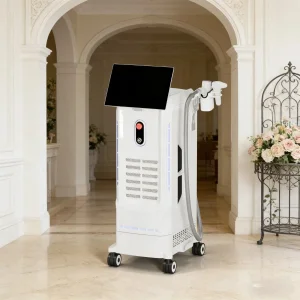
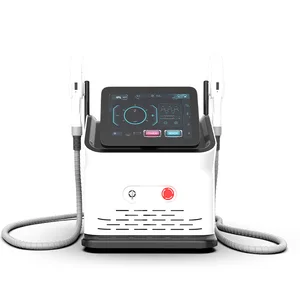
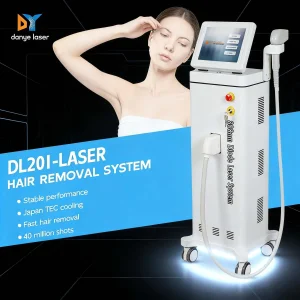
Discover our globally validated aesthetic technologies built for high-performance clinics.
In the rapidly advancing landscape of global medical aesthetics and clinical dermatology, skin analysis equipment has transformed from a simple consultation tool into a precise scientific foundation for customized patient treatments. Modern non-invasive diagnostics utilize state-of-the-art multi-spectral imaging to capture physiological features underneath the stratum corneum, allowing practitioners to quantify skin health accurately.
For international distributors, chain aesthetic clinics, and medical institutions, choosing CE certified skin analysis equipment is not only a regulatory mandate within the European Economic Area (EEA) but also a global benchmark of mechanical, electrical, and optical safety. A CE mark indicates that the manufacturer has evaluated the product and deemed it to meet all relevant EU safety, health, and environmental protection requirements.
Utilizing RGB, polarized, and UV wavelengths to detect subsurface vascular networks, hyperpigmentation, sebum distribution, and early signs of photodamage.
Ensuring compliance with the Low Voltage Directive (LVD 2014/35/EU) and Electromagnetic Compatibility Directive (EMC 2014/30/EU) for safe clinical deployment.
Proprietary algorithms compute skin age, lipid balance, and moisture metrics compared against localized clinical demographic databases.
China has established itself as the global epicenter for precision aesthetic technology and optical manufacturing. When partnering with a dedicated Chinese factory, global buyers benefit from an unparalleled synergy of advanced infrastructure, highly integrated supply chains, and specialized engineering expertise.
The Pearl River Delta, specifically industrial hubs like Shenzhen, hosts the world's most dense cluster of optoelectronic, sensory, and electronic hardware suppliers. From high-resolution image sensors (CMOS chips) to optical lenses and medical-grade ABS casing materials, all components are sourced locally. This localized proximity reduces raw material transit times and facilitates rapid prototype iteration.
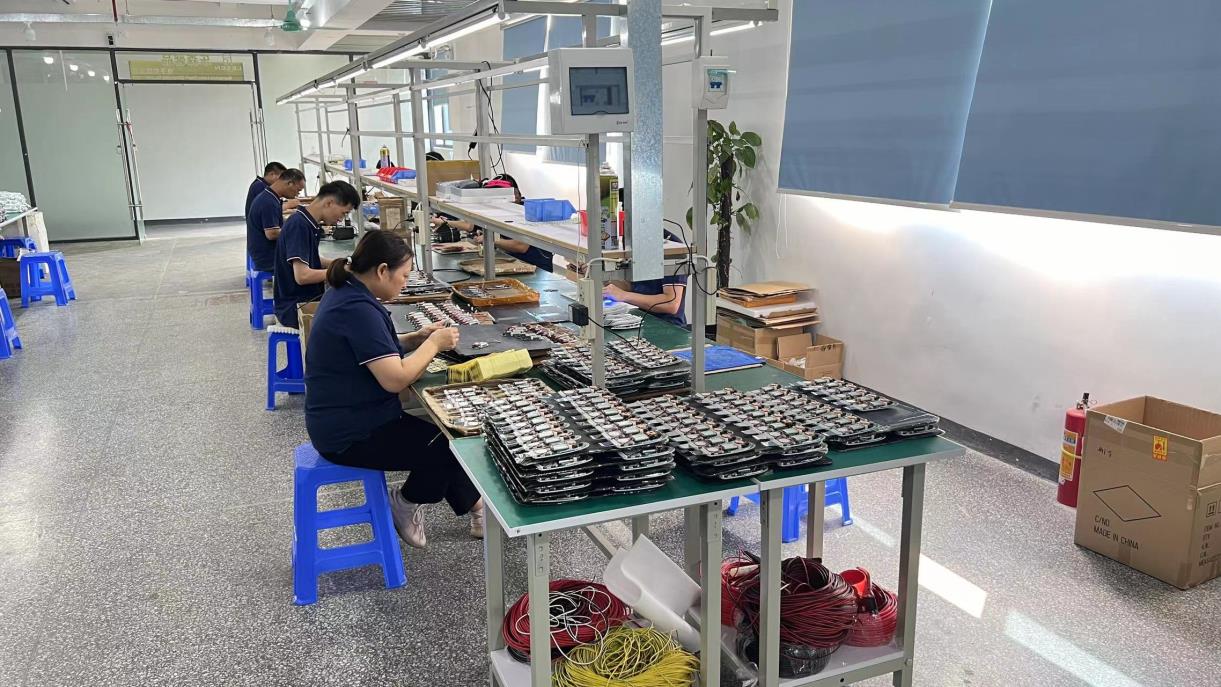
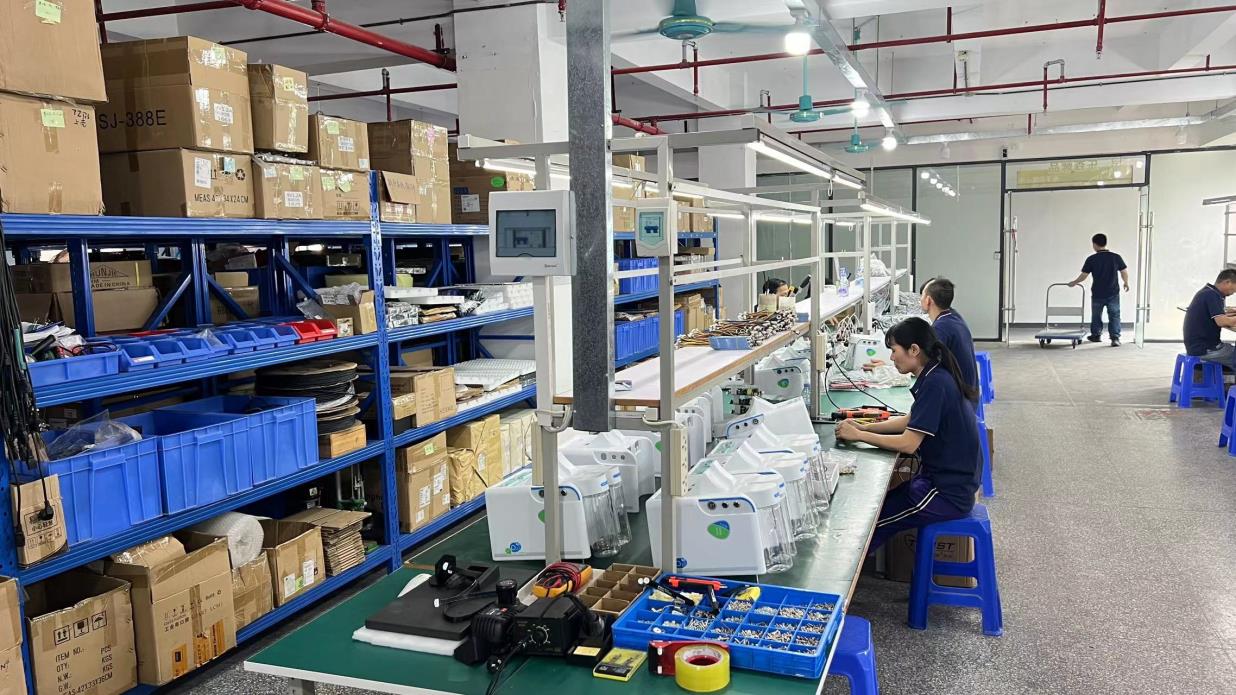
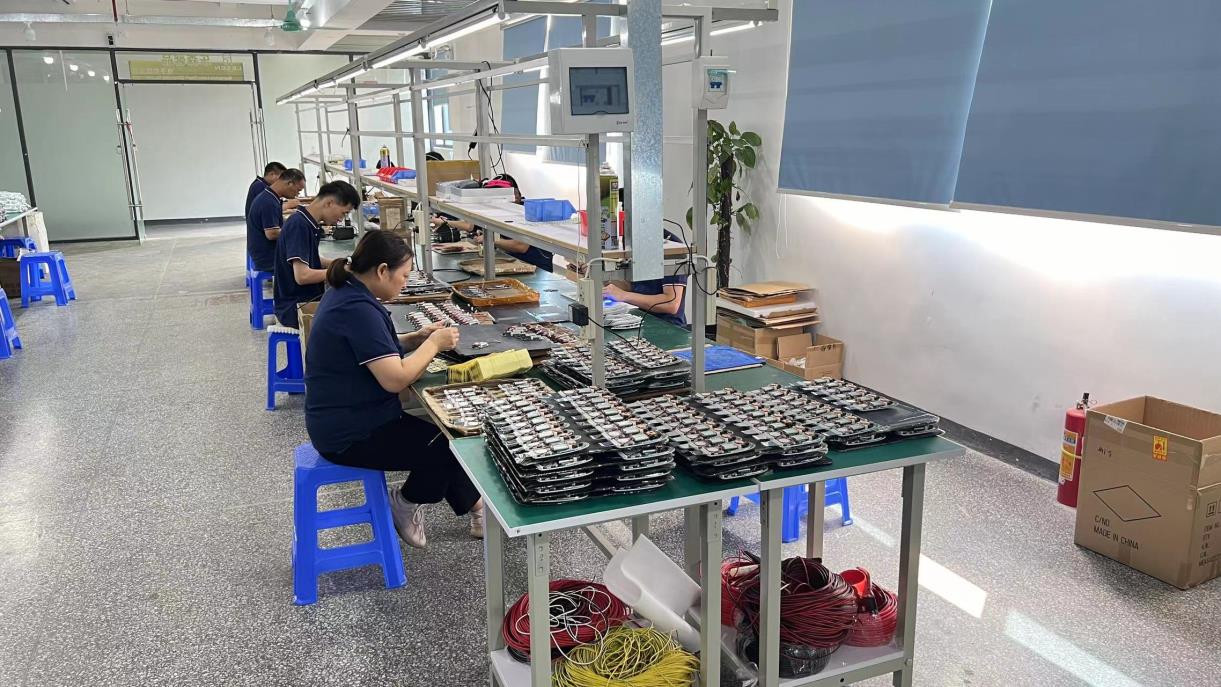
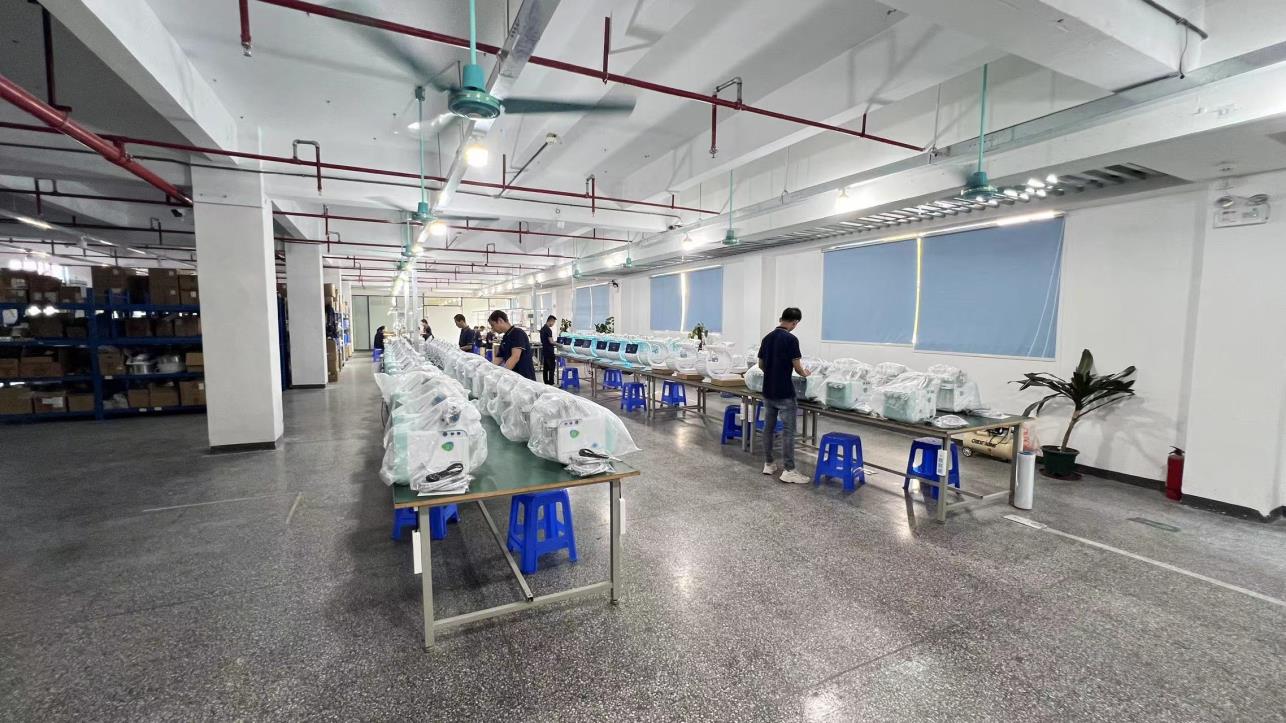
In-house manufacturing houses a complete production lifecycle: structural industrial design, PCB layout engineering, firmware development, UI customization, assembly, and quality assurance. This vertical integration allows buyers to order custom configurations (e.g., bespoke software interfaces, brand logos, and specialized mounting hardware) directly from the factory floor, removing third-party markups.
A professional enterprise integrating R&D, design, manufacturing, and global sales of advanced aesthetic equipment.
COMPANY INTRODUCTION
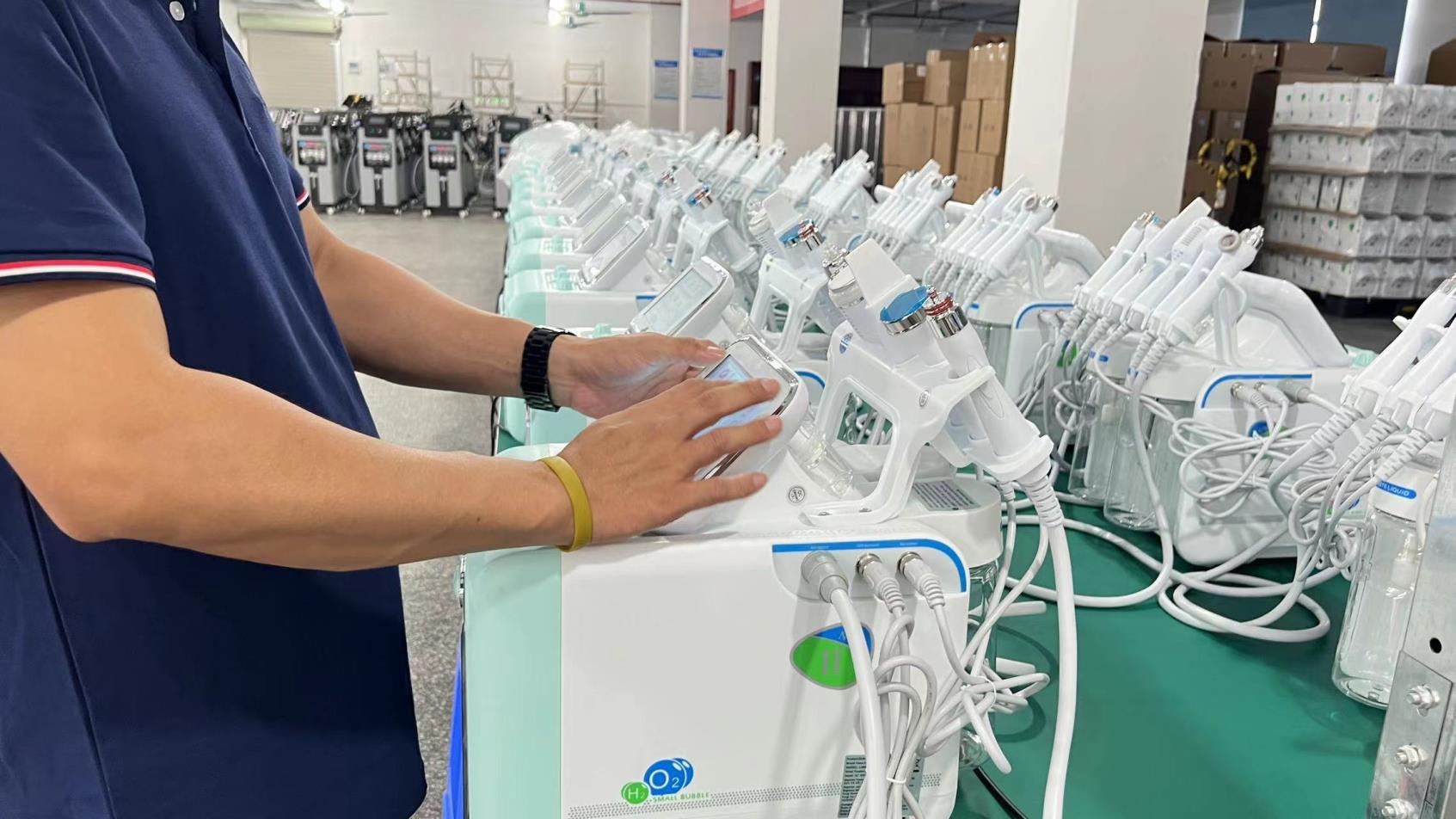
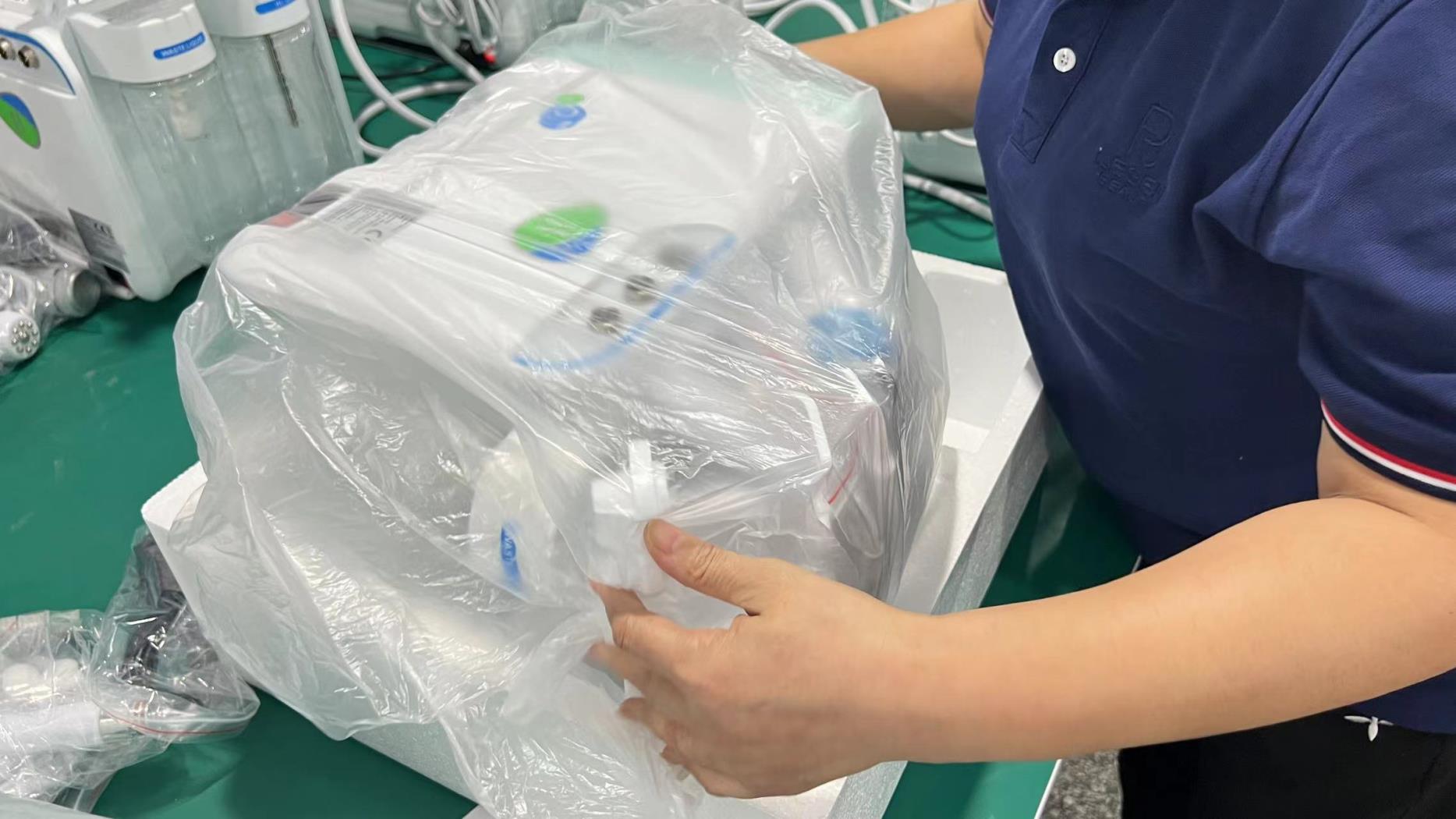
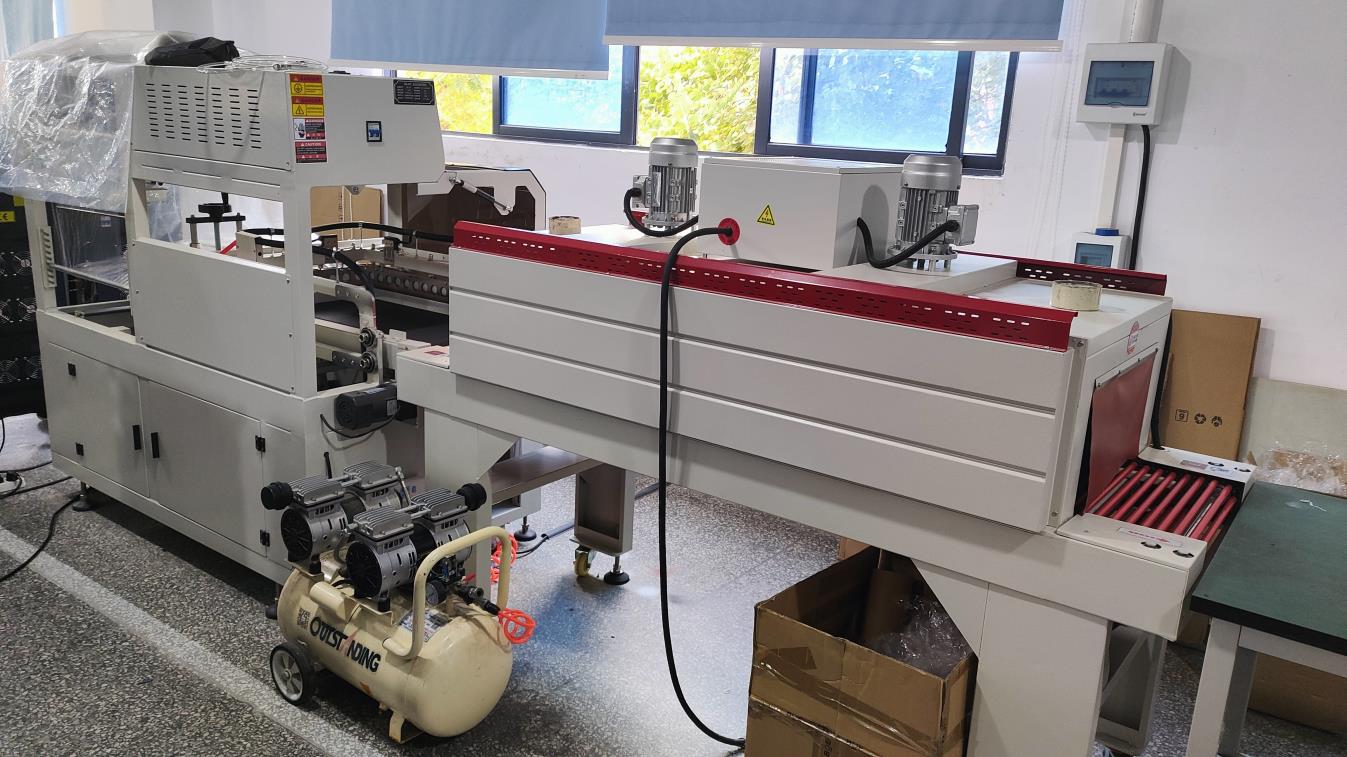
Shenzhen Yiki Beauty Co., Ltd. is a professional enterprise integrating R&D, design, manufacturing, and global sales of advanced aesthetic and beauty equipment. The company is built by a team of experienced technical engineers and product designers, with fully in-house capabilities ranging from industrial appearance design and electronic system development to assembly, testing, and packaging.
Yiki Beauty is committed to providing a true one-stop solution for global customers, helping partners reduce complexity in product development, production, and branding. By combining innovative engineering with practical clinical and salon applications, the company continuously delivers safe, effective, and market-oriented beauty devices.
With a strong focus on quality control and technological innovation, Shenzhen Yiki Beauty Co., Ltd. supports OEM and ODM services, as well as private label branding. The company adheres to strict international quality standards and strives to build long-term partnerships with distributors, clinics, salons, and beauty chains worldwide.
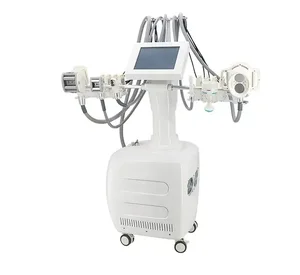
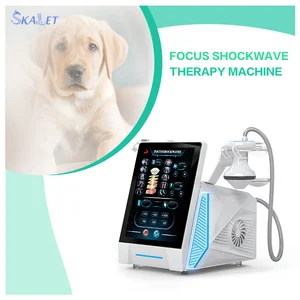
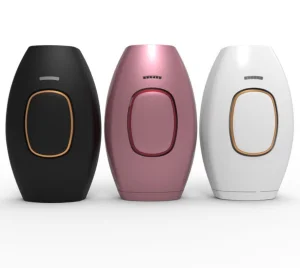
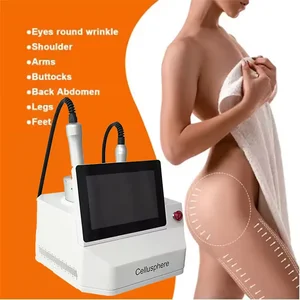
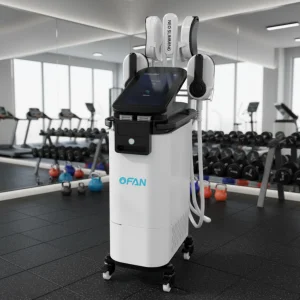
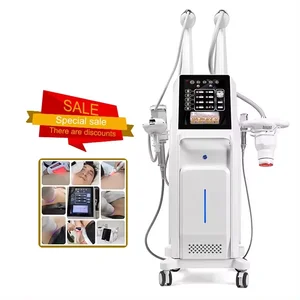
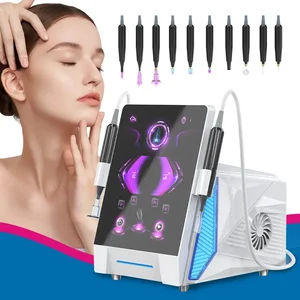
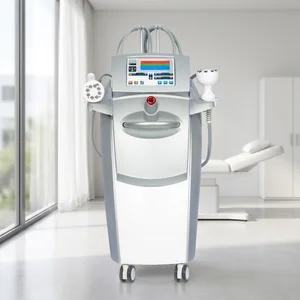
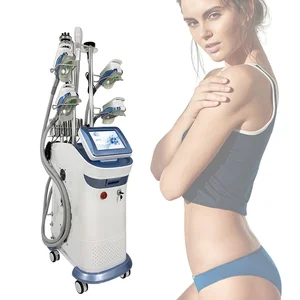
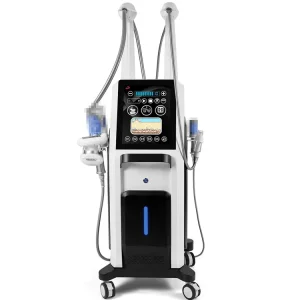
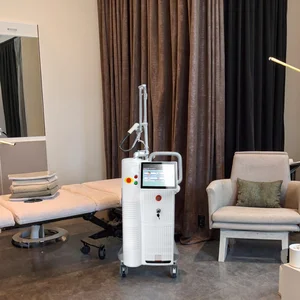
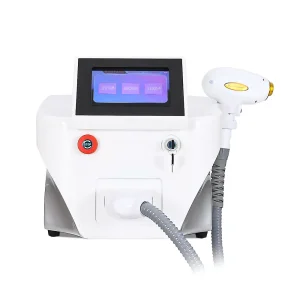
Our product portfolio covers a wide range of advanced aesthetic technologies, including: HI-EMT body contouring machines, laser hair removal systems, Vela body shaping devices, shockwave therapy machines, TECAR therapy equipment, air pressure lymphatic drainage systems, 4D HIFU ultrasound machines, tattoo removal lasers, hydra dermabrasion systems, plasma pens, and various home-use beauty devices.
Shenzhen Yiki Beauty Co., Ltd. exports to more than 15 major markets, including the United States, Germany, Australia, Canada, Italy, France, the United Kingdom, Spain, Russia, the Netherlands, Switzerland, Ukraine, Poland, Turkey, and Belgium, while continuously expanding its global footprint in emerging markets.
Driven by innovation, reliability, and customer success, Yiki Beauty is dedicated to becoming a trusted global partner in the aesthetic equipment industry.

The skin analysis equipment industry is moving away from static measurement toward dynamic, multi-dimensional AI diagnostic structures. The integration of high-resolution digital imaging with advanced deep-learning neural networks has revolutionized clinical workflows. Let's look at the primary tech trends defining this sector:
Skin analysis equipment functions as a diagnostic tool and a primary driver for clinic conversion rates. Let's examine how different business models deploy these systems for maximum operational ROI:
Used as objective diagnostic documentation before medical treatments. High-resolution UV scans prove the efficacy of chemical peels, laser resurfacing, and vascular treatments by showing scientific side-by-side progression charts.
Acting as a consultation tool. Skin analysis displays invisible under-skin damage, helping therapists recommend targeted facials, microcurrent treatments, or medical-grade home care regimens.
Standardizing client profiling across locations. The cloud integration ensures that customer data remains accessible at any branch, allowing customized client tracking and global service quality.
Modern aesthetic practices maximize patient retention by connecting skin analysis metrics directly with clinical therapy systems. For instance, diagnostic parameters indicating low skin elasticity or high inflammatory redness dynamically configure parameters for RF microneedling, IPL photorejuvenation, or fractional lasers. This objective feedback loop provides patients with verifiable data, reinforcing their confidence in treatment plans.
When vetting potential factories for skin analysis equipment, procurement departments should verify the following technical and operational criteria:
Expert answers to common engineering, regulatory, and supply questions.
Maximize patient satisfaction with our body sculpting, laser hair removal, and anti-aging equipment.
 Yiki Beauty