Laser hair removal technology has advanced significantly, yet many darker-skinned individuals still face challenges in finding effective solutions. Research indicates that over 70% of people with dark skin report dissatisfaction with traditional hair removal methods. This statistic highlights a pressing need for tailored options. When exploring the question, "what is the best laser hair removal machine for dark skin?" it’s crucial to consider skin types and laser wavelengths.
The best machines use a longer wavelength, which penetrates deeper without damaging the surrounding skin. The Nd:YAG laser is often recommended for darker tones. Expert studies show that this type minimizes risks of hyperpigmentation. However, not all clinics offer this technology, and uneven results may occur.
While technological advancements promise better outcomes, individual experiences may vary. Some users report discomfort during sessions that can impact their overall satisfaction. Potential patients should seek out providers who specialize in treating darker skin to ensure safety and efficacy. Making informed choices can lead to optimal results in hair removal while minimizing risks.
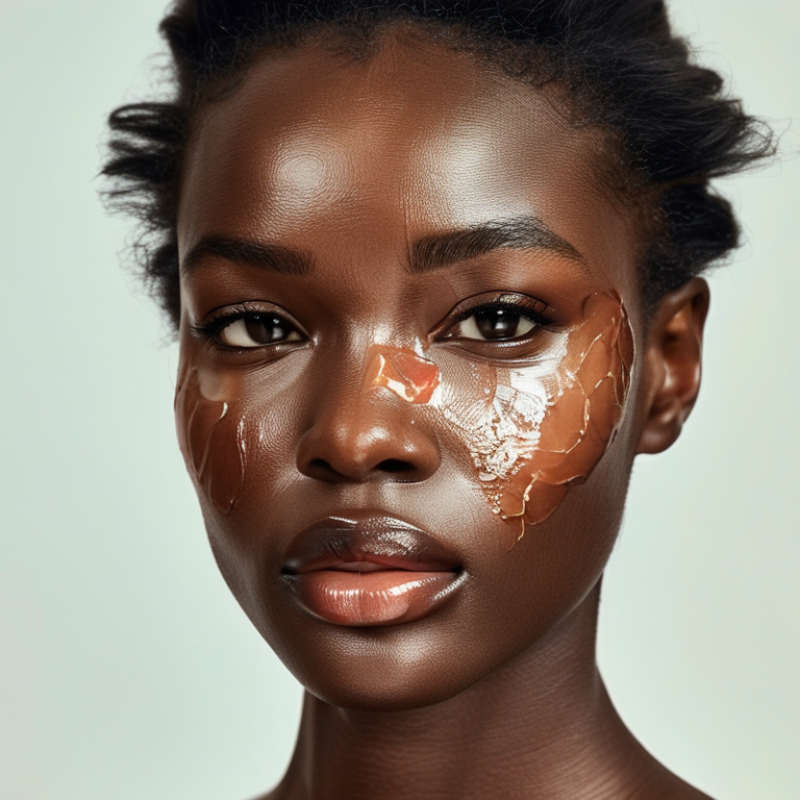
When it comes to laser hair removal, understanding your skin type is essential for safe and effective treatment. Dark skin, in particular, absorbs more laser energy, which can lead to burning or uneven pigmentation. Therefore, it’s crucial to select a laser that is safe for darker skin tones. Technologies using longer wavelengths, like Nd:YAG lasers, are generally recommended. These lasers minimize risks and offer successful hair removal without damaging the surrounding skin.
Considering the skin's melanin levels plays a significant role in the treatment process. Melanin absorbs light, and higher melanin levels in dark skin can affect laser efficacy. Practitioners should assess skin sensitivity and hair color before proceeding.
It’s not uncommon for patients with dark skin to experience adverse effects like hyperpigmentation or scarring due to improper laser selection. Regular consultations with a certified provider are key. Trust your instincts if you feel unsure about the treatment plan presented. Always prioritize your skin’s health and safety in the decision-making process.
When selecting laser hair removal for dark skin, several key factors play a crucial role. Skin type is significant. Darker skin has more melanin, which can absorb laser energy. This can increase the risk of burns or pigmentation changes. Therefore, advanced laser technologies, such as Nd:YAG, are recommended. These options can effectively treat dark skin safely.
Experience is vital. Choose a clinic with trained professionals familiar with darker skin tones. Not all practitioners have the same expertise. Ask about their success rates and see before-and-after pictures. Personal consultations should provide comfort. Communication is essential; your concerns must be addressed fully.
Cost can also be a reflection of quality. Cheaper services might compromise safety and effectiveness. Expensive treatments don’t always guarantee better results either. Consider user reviews and recommendations from trusted sources. Research is critical before committing.
When considering laser hair removal for dark skin, it's crucial to choose the right laser type. Darker skin contains more melanin, which can absorb laser energy differently. Thus, using the wrong type can lead to skin damage or ineffective hair removal.
The Nd:YAG laser is one of the few safe options for dark skin. It penetrates deeper into the skin, reducing the risk of burns. Studies show that Nd:YAG can successfully treat approximately 80% of hair on darker skin without significant side effects. Another option is the diode laser, which is also effective for darker tones. Its longer wavelength targets hair follicles while minimizing damage to the surrounding skin.
However, not all clinics may have expertise in treating darker skin. A survey conducted by the American Society for Aesthetic Plastic Surgery revealed that only 30% of practitioners felt qualified to treat patients with darker skin. This highlights the importance of researching qualified professionals. It's essential to discuss your skin type openly and ensure the clinic uses appropriate techniques and equipment. Always ask for previous patient reviews or case studies with similar skin tones.
When considering laser hair removal for dark skin, consulting a qualified practitioner is crucial. Laser technology has advanced, but not all lasers work the same for every skin type. A trained professional understands the nuances of skin tones. They can customize the treatment according to specific needs and potential risks.
A proper consultation can reveal critical details. Practitioners should assess your skin type and hair color. This helps in choosing the right laser settings. Moreover, they should discuss your medical history and any skin conditions. Understanding individual concerns allows for a more personalized treatment plan.
Trust and comfort are essential. Choose someone who communicates clearly and answers your questions. Don’t hesitate to ask about their training and experience. A qualified practitioner should have a portfolio or testimonials to share. These conversations help you gauge their expertise, which is vital for safe and effective treatments.
After undergoing laser hair removal, proper aftercare is crucial, especially for darker skin tones. Darker skin has more melanin, which can affect healing. A 2021 study indicated that individuals with darker skin were more prone to hyperpigmentation after laser treatments. This is why post-treatment care should focus on minimizing irritation and promoting healing.
Hydration plays a vital role in recovery. Applying a gentle, fragrance-free moisturizer helps soothe the skin. Aloe vera gel is a popular choice. It cools the skin and reduces inflammation. Avoid products containing harsh ingredients, as they can lead to irritation or discoloration. Sun protection is equally important. UV exposure after treatment can exacerbate pigmentation issues. Always use a broad-spectrum sunscreen with SPF 30 or higher. Reapply every two hours, especially if outdoors.
Monitoring your skin for unusual changes is essential. If irritation or unusual pigmentation occurs, consult a dermatologist promptly. Some users report needing additional sessions to achieve desired results. Patience is crucial, as healing varies among individuals. Acknowledging these nuances can lead to a successful outcome in laser hair removal for dark skin.
: Skin type affects treatment safety and effectiveness. Dark skin can absorb more laser energy, leading to burns.
Lasers like Nd:YAG are recommended. They minimize risks and effectively treat dark skin without harming it.
Higher melanin levels in dark skin absorb more light, affecting laser efficacy. This can result in adverse effects.
Choose clinics with trained professionals experienced with darker skin tones. Their expertise is vital for safety and success.
Keep the skin hydrated with gentle moisturizers. Aloe vera gel can soothe the skin and aid in recovery.
UV exposure can worsen pigmentation issues. Use broad-spectrum sunscreen with SPF 30 or higher after treatment.
Monitor for unusual changes. If irritation or pigmentation occurs, consult a dermatologist promptly for advice.
Some users report needing additional sessions. Healing varies per person, so patience is essential for achieving results.
Cheaper services may risk safety and effectiveness. Research reviews but remember high prices don’t guarantee better outcomes.
Avoid products with harsh ingredients, as they can irritate or discolor the skin post-treatment.
Laser hair removal has become a popular option for those seeking a long-term solution to unwanted hair, but it’s essential to understand that not all lasers are suitable for every skin type, particularly for individuals with dark skin. When considering what is the best laser hair removal machine for dark skin, it’s crucial to focus on specific factors such as the type of laser, the qualifications of the practitioner, and appropriate aftercare.
For dark skin candidates, lasers that target pigment rather than the skin itself are ideal. Consulting a qualified practitioner ensures that the treatment aligns with the unique characteristics of dark skin. Additionally, following aftercare guidelines is vital to minimize side effects and enhance results. By adhering to these tips, individuals can confidently pursue effective and safe laser hair removal tailored to their needs.

Yiki Beauty